
Plants
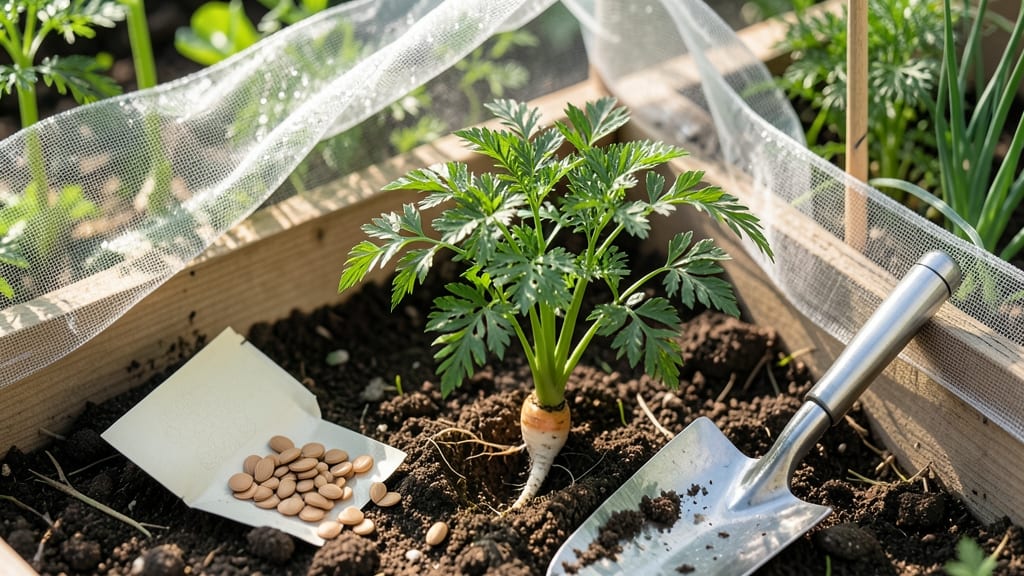
Timing your 🥕 carrot planting in East Tennessee isn't just about following a calendar—it's about outsmarting the region's tricky microclimates. Plant too early, and you'll trigger bolting before you even harvest; too late, and frost or pests will steal your crop.
The key to success lies in understanding your specific zone's frost patterns and soil behavior.
Most gardeners in USDA Zone 6b-7a know spring is prime time, but did you realize there's actually a second window in late summer that many miss?
I'll show you exactly when to plant for both seasons, plus how to adjust for East Tennessee's mountain valleys and plateau regions where temperatures can vary by 10°F within just a few miles.
What you'll discover is that soil temperature matters just as much as air temperature—45°F is your magic number for germination. We'll cover how to test it yourself and when to use row covers for those unpredictable late spring nights that can still bring frost after the official last date.
By the end, you'll have a clear planting schedule tailored to your exact location, plus pro tips for spacing and companion plants that keep pests away. Let's get those sweet, straight 🥕 carrots growing the right way from the start.
Optimal planting windows for East Tennessee carrots by microclimate zone
East Tennessee’s diverse geography—from the Appalachian Mountains to the Cumberland Plateau—creates microclimates that dramatically affect when you can plant carrots. In USDA Zone 6b-7a, timing isn’t one-size-fits-all. Mountain regions (like Gatlinburg) often have 2-3 weeks earlier last frost dates than valley areas (like Knoxville).
For zero bolt success, aim to plant when soil temperatures hit 45°F+ and stay above 50°F consistently. Below this, seeds rot; above 80°F, carrots bolt prematurely.
East Tennessee’s spring frost dates range from mid-March (mountains) to late April (valleys), while fall first frosts arrive between mid-October (plateaus) and early November (valleys).
🌱 Pro Tip: Use a soil thermometer to confirm readiness—45°F+ at 2-inch depth is your green light. Skip guessing and avoid wasted seeds!
| Microclimate Zone | Last Frost Date | Ideal Planting Window | Best Varieties | Key Risk |
|---|---|---|---|---|
| Mountain Regions (e.g., Gatlinburg, Sevierville) | Mid-March | March 15–April 15 | Danvers, Chantenay | Early bolting |
| Plateau Areas (e.g., Crossville, Sweetwater) | Late March | March 30–April 30 | Nantes, Paris Market | Slow germination |
| Valley Regions (e.g., Knoxville, Chattanooga) | Late April | April 15–May 15 | Rainbow, Little Finger | Fungal diseases |
| Late Summer (All Zones) | N/A | July 15–August 15 | Bolero, Short ‘n Sweet | Pest pressure |
In spring, prioritize short-day varieties (like Danvers) for mountain zones, where days lengthen faster. For valleys, opt for heat-tolerant Nantes to avoid bolting. Late summer plantings (July–August) work best with short-season varieties (e.g., Bolero) to harvest before first frost.
East Tennessee’s humidity and clay-heavy soils in valleys demand extra attention. Amend soil with compost or sand to prevent forked roots. Mountain soils, often rockier, benefit from raised beds to improve drainage.
🌿 Remember: Carrots need 60–80 days to mature. Plant successive crops every 2 weeks in spring for a continuous harvest. In fall, aim for 90-day varieties to beat frost.
For mountain gardeners, start seeds indoors in late February under grow lights to transplant after last frost. Valley gardeners should direct-sow after soil warms to 55°F+ to avoid rot.
Track your local frost dates using the Old Farmer’s Almanac or NOAA Climate Data. Adjust planting by 1–2 weeks if your spring is late or fall arrives early. Flexibility is key in East Tennessee’s unpredictable climate!
Finally, shade cloth (30–50%) can protect late spring plantings from intense sun and heat stress, especially in valleys where temperatures spike faster. Pair this with drip irrigation to maintain consistent moisture.
5 Critical factors that determine carrot planting success in East Tennessee
East Tennessee’s variable climate means your carrot planting success hinges on five key factors—soil temperature, frost timing, sunlight exposure, moisture balance, and microclimate variations. I’ve planted carrots here for years, and I can tell you: ignoring even one of these can turn your perfect timing into a failed harvest.
First, soil temperature is your secret weapon. Carrot seeds need soil that’s at least 45°F to germinate, but many gardeners check air temperature instead. In the Smoky Mountains, this can mean waiting 2-3 weeks longer than the valley floor—even if both areas share the same last frost date.
Next, frost timing isn’t just about the official last frost date. Mountain regions like Sevier County often experience frost 2 weeks later than Knoxville’s valley. Use a frost calendar and adjust your planting window accordingly, or risk bolting before harvest.
Don’t overlook sunlight exposure. While carrots thrive in full sun (6-8 hours daily), East Tennessee’s dense tree cover in mountain areas can create pockets of shade. If your garden gets less than 5 hours of sun, opt for shorter varieties like ‘Paris Market’ to avoid stunted growth.
Moisture balance is another game-changer. Carrots need consistent moisture to grow straight, but soggy soil leads to rot. In East TN’s clay-heavy soils, I recommend raised beds with compost to improve drainage while retaining moisture. A soil moisture meter (just $15) will save you from over- or under-watering.
Finally, microclimate variations can shift your planting window by weeks. For example, plateau regions like Sweetwater experience hotter summers, allowing for a second late-summer planting (July-August) that valley gardens often miss. Always scout your specific area for 2-3 years to refine your timing.