Plants
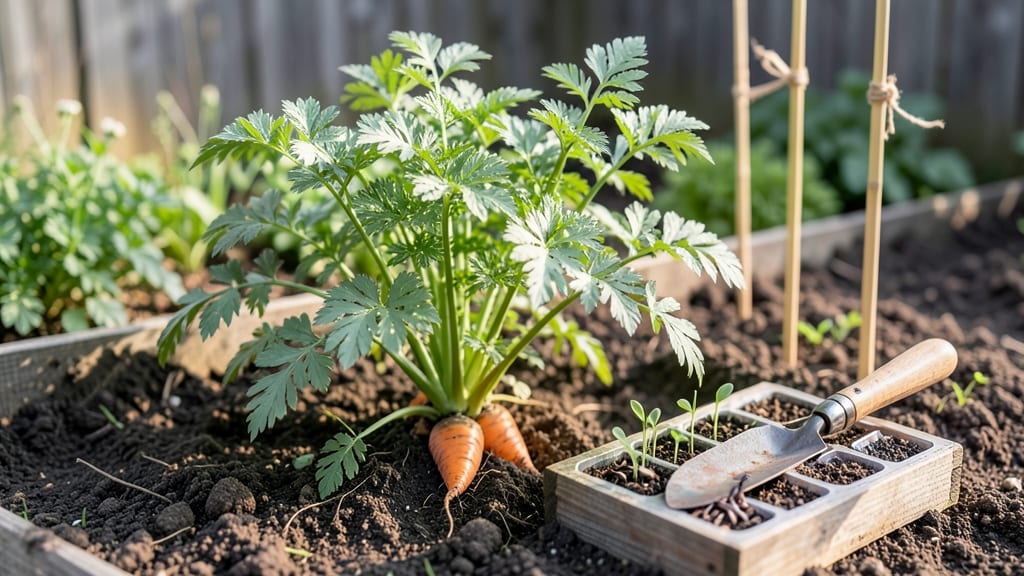
If you’ve ever tried planting carrots in South Louisiana only to watch them bolt in the heat or fork into gnarled messes, you’re not alone. The key to success here isn’t just planting—it’s planting right, at the perfect time when the climate actually works in your favor.
With Louisiana’s 8b-9a zones and long, humid summers, most gardeners assume carrots are a lost cause. But the truth?
These root veggies thrive when you time them with the cooler months—September to October for fall and February to March for spring—when the heat isn’t pushing them to bolt prematurely.
I’ll show you exactly when to plant for sweet, straight carrots, which heat-tolerant varieties perform best, and how to stretch your harvest through Louisiana’s mild winters. No more guessing—just proven strategies for your garden’s best crop yet.
Ready to turn your carrot dreams into reality? Let’s dive into the exact planting schedule that’ll make your 🥕 harvest the envy of the neighborhood.
Best planting windows for carrots in South Louisiana’s climate zones
South Louisiana’s Zone 8b-9a climate offers two prime windows for growing carrots—fall and spring—but timing is critical to avoid the brutal summer heat or early frost. The key is planting when soil stays 60°F–70°F and temperatures hover below 85°F, which prevents bolting (premature flowering) and bitter roots.
Most gardeners in this region focus on September–October plantings for a winter harvest, while February–March sowings yield summer crops. However, with the right heat-tolerant varieties, you can even experiment with late summer plantings (August) for a fall escape before the first frost hits around December 1.
Here’s the breakdown of your best planting windows, tailored to Louisiana’s humid subtropical conditions and frost-free days:
| Planting Window | Ideal Months | Soil Temp | Days to Harvest | Harvest Window |
|---|---|---|---|---|
| Fall Planting | September–October | 60°F–75°F | 70–80 days | November–December |
| Spring Planting | February–March | 55°F–65°F | 60–75 days | May–June |
| Late Summer Escape | August (heat-tolerant varieties only) | 75°F–80°F | 50–60 days | September–October |
For fall plantings, aim to sow seeds 6–8 weeks before your first frost (typically by October 15). This ensures carrots mature before winter sets in, but avoids the stress of late-season heat. Use row covers if temperatures dip below 50°F to protect young seedlings.
Spring plantings should start in February for a May–June harvest, but avoid sowing too early—cool soil (below 50°F) can cause seeds to rot. If you’re using succession planting, stagger sowings every 2–3 weeks to extend your harvest through summer.
If you’re experimenting with late summer plantings, choose short-day varieties like ‘Paris Market’ or ‘Little Finger’, which tolerate heat better than traditional types. Plant in August, keep soil moist, and harvest before September 15 to avoid bolting from shortening days.
Pro tip: Test your soil’s pH (6.0–7.0) before planting—Louisiana’s clay-heavy soils often need compost or sand to improve drainage. Carrots hate compacted soil, which leads to forked roots, so till in organic matter 2–3 weeks before sowing.
Remember, succession planting is your secret weapon in Louisiana. By sowing every 3 weeks from February to October, you can enjoy fresh carrots year-round—just adjust varieties for each season’s challenges.
Best planting windows for carrots in South Louisiana’s climate zones
South Louisiana’s humid summers and long frost-free season (Zone 8b-9a) create a unique opportunity for year-round carrot production. Unlike northern climates, we can grow carrots in both spring and fall, with a few heat-tolerant varieties even thriving in summer.
The key is planting at the right time to avoid bolting (premature flowering) caused by heat stress or forked roots from heavy clay soils.
For optimal harvests, focus on two main windows: late winter/early spring (February-March) and early fall (September-October). Spring plantings take advantage of cooler temperatures before summer heat sets in, while fall plantings allow carrots to mature before winter rains arrive. Here’s the exact schedule that works best for our region:
| Planting Window | Best Months | Days to Harvest | Key Considerations |
|---|---|---|---|
| Spring Planting | February-March | 70-80 days | Plant after last frost (Jan 15); use shade cloth in April if temps exceed 85°F |
| Summer Succession | June-July (heat-tolerant varieties only) | 60-70 days | Use Danvers or Nantes types; mulch heavily to retain moisture |
| Fall Planting | September-October | 65-75 days | Harvest before first frost (Dec 1); ideal for storage carrots |
| Winter Escape | November (light frost tolerance) | 80-90 days | Use Chantenay types; protect with row covers if temps drop below 30°F |
For succession planting, sow seeds every 2-3 weeks during your chosen window to ensure a continuous harvest. In South Louisiana, this means starting your first batch in late February and making final plantings by mid-October.
The goal is to have carrots reach maturity before summer’s peak heat or winter’s first frost disrupts growth.
Pro tip: Test your soil before planting—carrots thrive in loose, well-draining soil with a pH of 6.0-6.8. Our native clay soils often need amendments like compost or sand to prevent forking. I’ve found that adding aged compost at planting time improves root shape dramatically in our heavy soils.
Remember that bolting (flowering too soon) is the biggest threat in our climate. To prevent it, choose slow-bolting varieties and avoid planting when daytime temps exceed 80°F for extended periods.
With the right timing and variety selection, you can enjoy fresh carrots from your garden for almost 10 months of the year.