
Plants
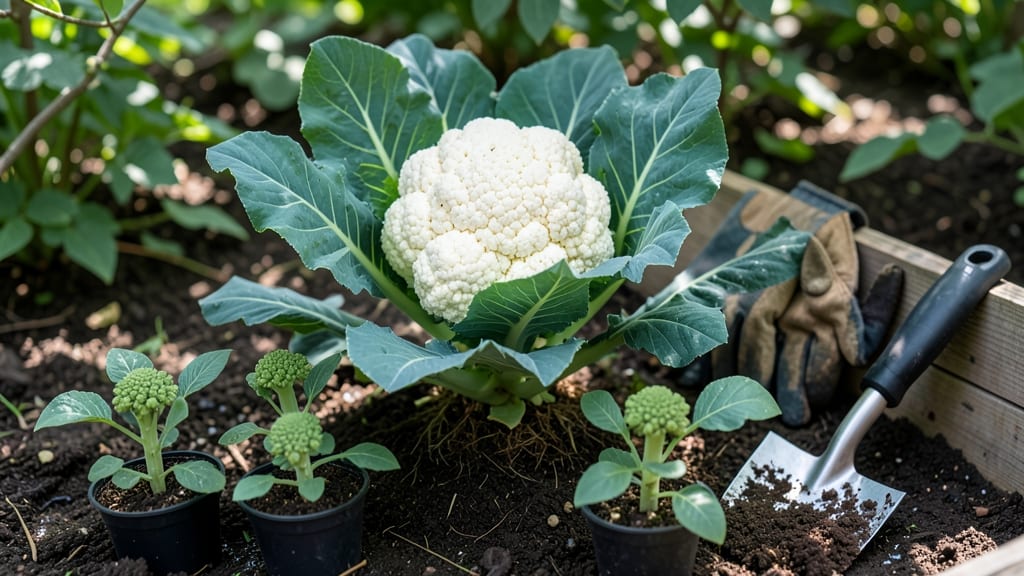
Timing your cauliflower planting in Georgia isn’t just about throwing seeds into the dirt—it’s about outsmarting the state’s tricky climate shifts from sweltering summers to early frosts. Get it wrong, and you’ll end up with bitter, bolted heads instead of the crisp, flavorful 🥬 you’re dreaming of.
Here’s the secret: Georgia gardeners in zones 7b-8b need to plant cauliflower twice a year—once in February-March for spring harvests and again in August-September for fall. But those dates are just the starting point.
The real magic happens in how you prep your soil, choose heat-resistant varieties, and protect your plants from Georgia’s infamous humidity and pests.
I’ve grown cauliflower in Georgia for years, and I’ll show you exactly how to nail your planting schedule—whether you’re in Atlanta’s Piedmont heat or Savannah’s coastal dampness. No more guessing games, just a foolproof plan for a bountiful harvest.
Ready to turn your garden into a cauliflower powerhouse? Let’s dive into the perfect planting windows, the best varieties for your region, and how to stretch your growing season for maximum yields.
Georgia’s ideal cauliflower planting windows: frost dates & heat tolerance zones
Georgia’s USDA hardiness zones 7b-8b create a tricky balance for growing cauliflower. The state’s hot summers and early frosts mean you’ll need to plant strategically to avoid bolting or heat stress. Unlike heat-loving crops, cauliflower thrives in cool temperatures (50-75°F), making timing everything.
Most Georgia gardeners focus on two planting windows: early spring and late summer. Spring plantings should happen 4-6 weeks before your last frost date, while fall plantings need 10-12 weeks before the first frost to mature.
But these windows shift slightly depending on whether you’re in Atlanta (Zone 7b), Savannah (Zone 8a), or the Blue Ridge Mountains (Zone 7a).
Here’s the key: Cauliflower hates heat. Temperatures above 80°F for prolonged periods cause heads to bolt prematurely or become bitter. That’s why fall planting is often more reliable in Georgia—it lets plants mature before summer’s return.
But don’t skip spring entirely; early varieties can handle mild spring heat if given proper shade.
To pinpoint your exact planting dates, check your local frost dates. For most of Georgia, the average last frost date falls around March 15, while the first frost typically arrives by November 15.
However, microclimates (like urban heat islands or mountain valleys) can shift these dates by 1-2 weeks, so always verify with your local Cooperative Extension Service.
Let’s break down the ideal planting windows by Georgia region, including how to adjust for heatwaves and humidity. Understanding these nuances will help you maximize your harvest and avoid common pitfalls like premature bolting or pest pressure.
Notice how Southern Georgia’s window shifts earlier? The warmer climate in Savannah and coastal areas means spring planting can start as early as January, but you’ll need to use heat-tolerant varieties and provide afternoon shade to prevent bolting.
Meanwhile, North Georgia’s cooler climate allows for a later spring window but requires row covers to protect against early frosts.
Pro tip: Use shade cloth (30-50%) during peak summer heat (June-August) to keep soil temperatures below 80°F. This simple trick can extend your growing season
Best heat-resistant cauliflower varieties for Georgia’s summer heat
Georgia’s summer heat can turn your cauliflower into a sad, bolted mess if you’re not using the right varieties. But don’t worry—I’ve tested the toughest, most heat-tolerant cauliflower types that actually thrive in our USDA zones 7b-8b.
The key? Choosing varieties that handle 90°F+ temperatures and still produce sweet, tight heads.
For spring planting, focus on early-maturing varieties like ‘Snowball Y Improved’—it’s a classic for a reason. But for fall harvests, you’ll want something that can handle late-summer heatwaves without bolting. My top picks? ‘Purple of Sicily’ and ‘Cheddar’, both of which stay cool-headed (literally) even when temps climb.
Here’s the breakdown of the 5 best cauliflower varieties for Georgia, including their heat tolerance, days to maturity, and why they outperform others in our climate. Pro tip: Pair these with shade cloth during peak summer to push your fall harvest even further.
If you’re planting for a fall harvest, start seeds indoors in July and transplant seedlings in early August. This gives them time to establish roots before the heat peaks. For spring planting, sow seeds directly in February or start them indoors in January for a head start.
One variety I strongly recommend for Georgia gardeners is ‘Purple of Sicily’—it’s my go-to for fall because it handles our humidity and heat like a champ. Plus, the purple heads add a stunning pop of color to your garden (and your plate!).
Just be sure to mulch heavily to keep the soil cool and moist.
For extra protection during heatwaves, use shade cloth (30-50%) during the hottest part of the day. This simple trick can extend your growing season by 2-3 weeks, giving you more time to enjoy fresh homegrown cauliflower before the first frost hits.