
Plants
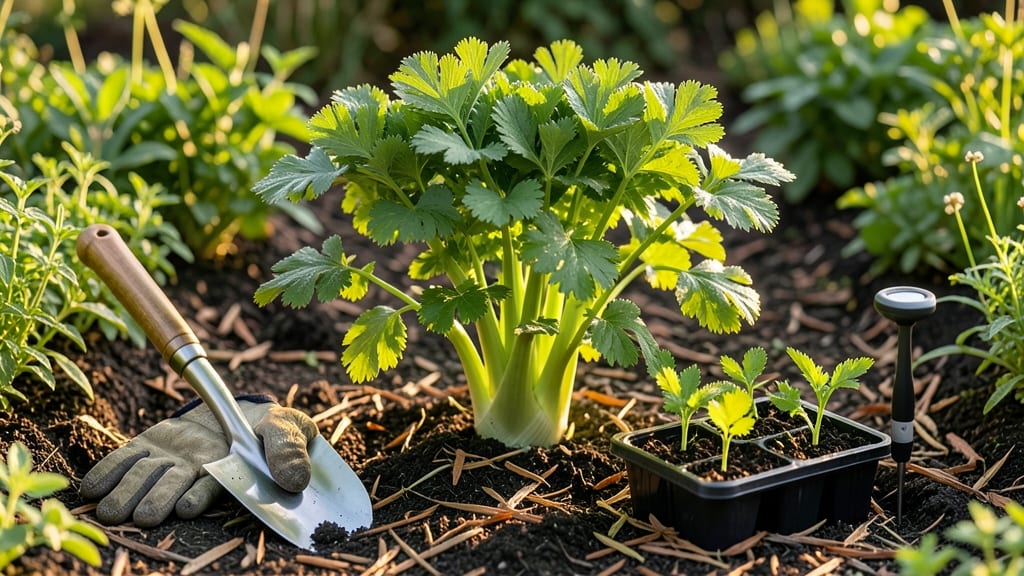
Optimal planting windows for celery in Florida’s climate zones
Florida’s warm winters and humid summers create unique challenges for growing crisp celery. Unlike northern states, we don’t have to worry about frost dates, but we do need to time plantings to avoid heat stress and bolting.
The key window? Fall through early spring—when temperatures stay mild.
Celery thrives in cool-season conditions (60-75°F soil temps), making September-October and February-March the sweet spots. In North Florida (Zones 8a-9a), you can even squeeze in a late summer planting with shade protection. But in South Florida (Zones 10a-11), summer heat makes celery nearly impossible to grow without special care.
Here’s how to match your climate zone to the perfect planting schedule:
| Zone | Best Planting Time | Soil Temp | Method | Harvest Window |
|---|---|---|---|---|
| North Florida (8a-9a) | Late August - September February - March |
60-75°F | Direct sow or transplant | November - January April - May |
| Central Florida (9b-10a) | September - October January - February |
65-72°F | Transplant preferred | November - December March - April |
| South Florida (10b-11) | October - November January (with shade) |
70-75°F (max) | Container growing recommended | December - February |
For North Florida gardeners, September plantings give you a winter harvest before spring heat arrives. Start seeds indoors 4-6 weeks before transplanting to avoid bolting from heat stress. In Central Florida, aim for October to beat the summer heat—celery planted after November often struggles with poor stalk formation.
In South Florida, the only reliable window is fall. Even then, use 50% shade cloth to protect plants from intense afternoon sun. Container growing works well here—just ensure pots have drainage holes and use well-draining potting mix to prevent root rot.
Pro tip: Soil temperature matters more than air temperature. Use a soil thermometer to confirm temps are below 75°F before planting. If your soil runs hotter, wait until evening to transplant seedlings to reduce shock.
Direct sowing works in North Florida, but transplanting gives you more control over timing. Buy 6-week-old seedlings from local nurseries in August for a fall harvest, or January for a spring crop.
Avoid cheap nursery stock—look for plump, dark green seedlings with no signs of yellowing.
Remember: Celery is a cool-season crop, but Florida’s mild winters let you grow it nearly year-round with the right adjustments. The goal? Harvest before temps climb above 80°F—that’s when stalks turn woody and bitter. With the right timing, you’ll enjoy crisp, sweet celery straight from your garden!
Optimal planting windows for celery in Florida’s climate zones
Florida’s warm winters and humid summers create unique challenges for growing crisp celery. Unlike northern states, we don’t have traditional frost dates to guide planting—but we do have soil temperature thresholds and heat tolerance limits that determine success.
Celery thrives in cool-season windows, but Florida’s microclimates mean your neighbors in North Florida might plant months earlier than those in South Florida.
For North Florida (Zones 8a-9a), like Jacksonville or Gainesville, the ideal window starts in late summer (August) for transplanting, with harvests ready by December-February. In Central Florida (Zones 9b-10a), such as Orlando or Tampa, you can push planting to September-October for winter harvests.
Meanwhile, South Florida (Zones 10b-11), including Miami or Fort Lauderdale, enjoys a year-round growing potential with minimal risk of frost.
Here’s the key: Celery bolts (goes to seed) quickly when soil temps rise above 75°F. In Florida, that means avoiding spring planting after March—unless you’re using shade cloth or containers to keep roots cool.
The sweetest, crispiest stalks grow when daytime temps stay between 60-75°F, which aligns with Florida’s fall and winter months.
| Climate Zone | Best Planting Window | Soil Temp Threshold | Transplant vs. Direct Sow | Harvest Window |
|---|---|---|---|---|
| North Florida (8a-9a) | Late August - Early October | 60-75°F (ideal) | Transplant seedlings (avoid direct sow in heat) | December - February |
| Central Florida (9b-10a) | September - Early November | 65-72°F (ideal) | Transplant or direct sow in partial shade | January - March |
| South Florida (10b-11) | Year-round (peak: Sept-Feb) | 70-78°F (with shade) | Containers or raised beds recommended | October - April (succession planting) |
Pro tip: Direct sowing celery in Florida’s heat is risky—seedlings struggle to germinate above 70°F. Instead, start seeds indoors or buy 6-week-old transplants from local nurseries like Bonnet House Gardens or Plant Real Florida Natives.
For container growing, use 5-gallon pots with well-draining mix to prevent root rot in our humid climate.
One common misstep? Waiting until November to plant in North Florida. By then, days are shorter, and celery may bolt prematurely before forming thick stalks. Aim to have plants established by October 15 to ensure a 100-day growth cycle before spring heat arrives.
In South Florida, shade cloth (30-50%) is your best friend during summer months to mimic cool-season conditions.
Remember: Celery’s sweetness peaks when grown in slightly cooler temps, so don’t rush the season. With the right timing, you’ll enjoy homegrown celery that rivals store-bought—without the bitterness! 🥬