
Plants
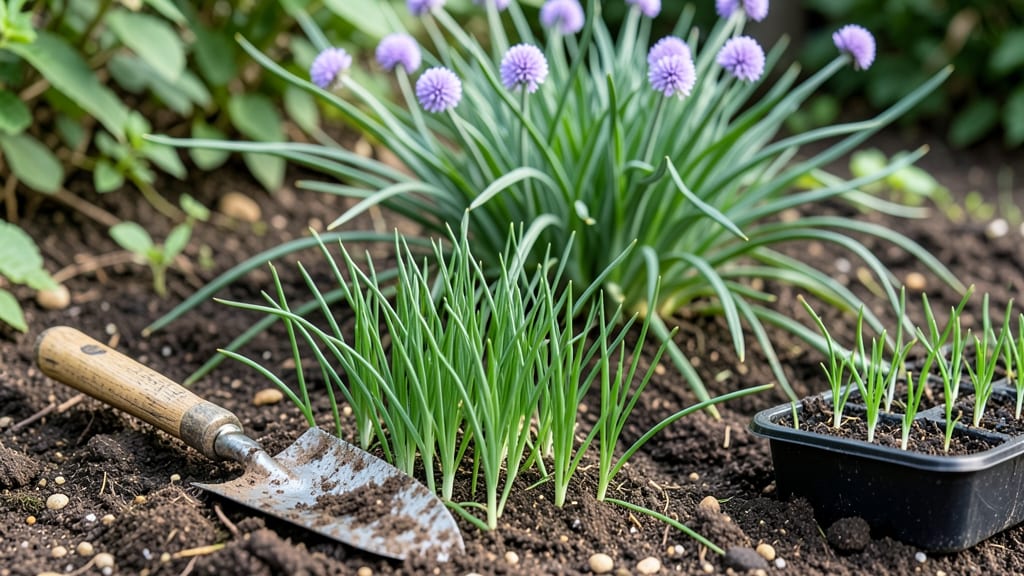
When to plant chives in Zone 7 isn’t just about sticking them in the ground—it’s about unlocking a year-round supply of those bright purple blooms and delicate onion-flavored leaves you’ll reach for in every dish. Unlike finicky annuals, chives are hardy perennials that reward patience with regular harvests from April through October, but only if you time your planting right.
Zone 7’s mild climate gives you two golden windows: early spring (March to early April) and early fall (September to early October). Plant too early, and frost might nip your tender seedlings. Too late, and summer heat could stress them before they establish strong roots.
The key? Align your schedule with Zone 7’s last frost date (April 15) and first frost (October 15), plus a few extra tricks to keep them thriving all season.
I’ve learned the hard way—skipping the fall planting meant missing out on fresh chives for Thanksgiving stuffing, and planting too soon in spring led to leggy, weak stems. But once you master the timing, you’ll enjoy bushy, productive plants that come back stronger every year.
Let’s break down exactly when, how, and why to plant for maximum success.
From choosing the sunniest spot in your garden to protecting young plants from late frosts, I’ll walk you through every step—so you can enjoy homegrown chives without the guesswork. Ready to turn your herb garden into a year-round flavor factory?
Optimal planting windows for chives in Zone 7: spring vs fall timing
Zone 7’s mild winters and warm summers create perfect conditions for chives, but timing your planting is critical. The two best windows are early spring and early fall, each with unique advantages. Spring planting lets you harvest sooner, while fall planting ensures established roots for early growth next year.
For spring planting, aim for 4-6 weeks before your last frost date—typically mid-March to early April in most of Zone 7. This gives seedlings time to establish before summer heat arrives.
Inland areas may need an earlier start due to hotter microclimates, while coastal regions can plant slightly later.
Fall planting offers a second chance for a year-round harvest. Plant 6-8 weeks before your first frost—usually late August to early September. Chives are perennial, so fall-planted clumps will return stronger each spring with proper winter care.
Direct sowing is ideal for both seasons, but you can also transplant nursery starts. If using transplants, harden them off for 7-10 days before moving to your garden. Zone 7’s variable microclimates mean coastal areas stay milder—planting dates can shift by 2-3 weeks later than inland regions.
Soil temperature matters more than air temperature for chives. Use a soil thermometer to confirm 45°F (7°C) minimum for spring planting. Fall soil should stay above 50°F (10°C) for 4-6 weeks post-planting to prevent root shock before winter dormancy.
In coastal Zone 7 (e.g., Charleston, Savannah), extend your window by 2-3 weeks later than inland areas. The ocean’s moderating effect delays both last spring frost and first fall frost. Monitor local weather forecasts for late-season frost alerts—chives can tolerate 20°F (-7°C) but prefer 30°F (-1°C) minimum.
For container growing, plant chives in early spring only—fall containers risk root freeze in Zone 7’s cooler nights. Use well-draining pots with 1-2 inches of mulch to protect roots. Move containers to a garage or cold frame if temperatures drop below 25°F (-4°C).
Pro tip: Mark your planting dates on a garden calendar to align with moon phases. Planting during the waxing moon (increasing light) encourages stronger root growth—a boon for chives’ perennial nature. Pair your chives with companion plants like marigolds or tomatoes to deter pests naturally.
Remember, chives are hardy perennials that reward patience. A well-timed planting in either season will give you year-round harvests with minimal effort. The key is consistent soil moisture and full sun exposure—Zone 7’s climate makes it easier than ever to grow this low-maintenance herb.
Optimal planting windows for chives in Zone 7: spring vs fall timing
Zone 7 gardeners enjoy a longer growing season than colder regions, but chives still need precise timing to thrive. The two best windows are early spring (4-6 weeks before last frost) and early fall (6-8 weeks before first frost).
For Zone 7, this translates to March-April for spring and September-October for fall planting.
Spring planting gives chives 60-75 days to establish roots before summer heat arrives, while fall planting lets them develop strong roots before winter dormancy. Both methods ensure you’ll have year-round harvests with minimal gaps.
| Planting Window | Best Months (Zone 7) | Soil Temp Requirement | Frost Risk | Method |
|---|---|---|---|---|
| Early Spring | March-April | 45-55°F (7-13°C) | Low (after April 15) | Direct sow or transplant |
| Early Fall | September-October | 50-60°F (10-16°C) | Moderate (before Oct 15) | Transplant only |
🌱 Pro Tip: Test soil temperature with a thermometer to avoid planting too early when soil is still cold.
For coastal Zone 7 areas, you can plant chives 2-3 weeks earlier due to milder microclimates. Inland regions should wait until soil warms consistently above 50°F (10°C) to prevent stunted growth. Always choose a sunny spot with well-draining soil—chives hate soggy roots.
If you miss the spring window, don’t panic! Chives are perennial hardy to Zone 3, meaning they’ll regrow each year. Just focus on fall planting to ensure next year’s harvest starts strong. A 3-inch mulch layer in winter protects roots from freeze-thaw cycles common in Zone 7.
Zone 7 gardeners often make the mistake of planting chives too late in spring (after May) or too early in fall (before September). Both scenarios risk heat stress or frost damage before roots establish. Aim for 6-8 weeks of growth before summer’s peak or winter’s first frost.
For container growing, use pots with drainage holes and plant chives in March or September to match the same timing as in-ground planting. Containers warm up faster in spring, so monitor soil temperature closely—chives won’t germinate well in cold soil.