
Plants
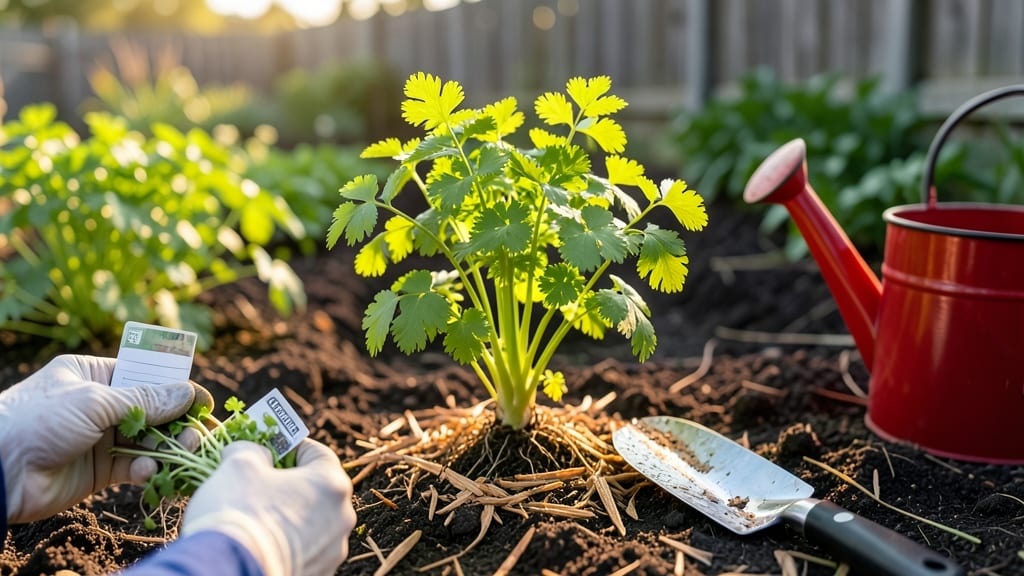
Planting cilantro in Arizona isn’t just about timing—it’s about outsmarting the heat to keep your 🌿 fresh and flavorful. The key to avoiding bitter, bolted cilantro lies in knowing when to plant, with soil temperatures between 45°F and 75°F being your best ally.
If you’ve ever watched your cilantro turn into a flowery disappointment by midday, you’re not alone. Arizona’s climate demands precision, and the fall and early spring windows are your golden opportunities for success. But here’s the catch: even the right month won’t work if you ignore soil prep or microclimates.
I’ll break down the exact planting windows for USDA Zone 9b, including how to adjust for Phoenix’s urban heat islands versus the cooler high desert. You’ll also discover how to extend cilantro’s growing season with shade tricks and companion plants that keep it thriving.
Ready to grow cilantro that stays fresh and vibrant? Let’s dive into the exact strategies that work in Arizona’s challenging climate—no more wasted seeds or bolted dreams.
Arizona’s ideal cilantro planting windows by month (with soil temp rules)
Arizona’s USDA Zone 7b-9a climate demands precision when planting cilantro. The key to avoiding bolting lies in timing: plant when soil temps hover between 45°F–75°F. Outside this range, your cilantro will flower prematurely, turning your fresh herb into bitter seeds.
Let’s break down the best months and microclimate adjustments for Phoenix, Tucson, and Flagstaff.
In low-desert areas like Phoenix and Tucson, cilantro thrives in fall and winter when daytime highs dip below 80°F. High-desert regions like Flagstaff enjoy cooler summers, allowing for a slightly extended spring planting window.
The critical window? September–October for fall crops and February–March for spring. Miss these months, and you’ll battle bolting or stunted growth.
Here’s the soil temperature rule you cannot ignore: cilantro roots prefer 55°F–65°F soil. Use a soil thermometer to check before planting. If temps rise above 75°F, your cilantro will bolt within 10–14 days. Pro tip: Morning soil temps are your friend—plant when they’re consistently below 70°F.
| Month | Ideal Soil Temp (°F) | Planting Window | Notes for Arizona |
|---|---|---|---|
| September | 60°F–70°F | Late Sept–Early Oct | Perfect for low desert; use shade cloth if temps spike. |
| October | 55°F–65°F | All month | Best month for bolting-free growth; harvest by Nov. |
| November | 50°F–60°F | Early Nov | High desert only; protect from frost after Dec 15. |
| February | 60°F–68°F | Mid Feb–March | Spring window; harvest before April heat arrives. |
| March | 65°F–72°F | Early March | Risky in low desert; use shade cloth or plant in containers. |
For high-desert areas like Flagstaff (USDA Zone 7b), cilantro can handle cooler springs and even late summer plantings if you use row covers to protect from unpredictable nighttime frosts. Test your soil’s drainage first—cilantro hates soggy roots, which lead to root rot and bolting.
In Phoenix and Tucson, focus on fall planting and succession sowing every 2–3 weeks from September to November. This ensures a continuous harvest before winter slows growth. Pro move: Direct-sow seeds instead of transplanting seedlings—transplants struggle with temperature shock in Arizona’s erratic climate.
One game-changer for Arizona gardeners? Heat-tolerant varieties like ‘Santo’ or ‘Calypso’. These hold up better in short heat waves (up to 85°F for brief periods) than standard cilantro. Pair them with drip irrigation to keep soil temps stable and roots cool.
Remember: Cilantro’s enemy #1 is heat. If your garden hits 90°F+, even the hardiest varieties will bolt. Use shade cloth (30–50%) to drop soil temps by 10–15°F and extend your growing window into late spring.
Monitor your plants daily—wilting or yellowing leaves? That’s your cue to act fast.
Plan ahead for Arizona’s microclimates: South-facing slopes in Phoenix can be 10°F warmer than north-facing gardens. Adjust your planting schedule accordingly. And always harvest regularly—cutting leaves encourages bushier growth and delays bolting by 2–3 weeks.
Your cilantro success in Arizona boils down to two rules: Plant when soil temps are cool, and protect from heat spikes. Follow these windows, and you’ll enjoy fresh, bolt-free cilantro from October to May—no bitter disappointment in sight! 🌿
Arizona’s ideal cilantro planting windows by month (with soil temp rules)
Arizona’s USDA Zone 9b climate creates two perfect windows for cilantro—fall and early spring—when temperatures stay within cilantro’s 45°F–75°F comfort zone. Miss these windows, and you’ll battle bolting or stunted growth.
Let’s break down the best months for your region, whether you’re in Phoenix’s urban heat or Flagstaff’s cooler high desert.
Your primary planting months are September–October (fall) and February–March (spring). These align with soil temps that keep cilantro thriving without triggering bolting. But here’s the catch: Phoenix’s low desert can handle slightly later fall plantings, while Tucson and Flagstaff may need to start earlier to avoid frost risks.
Soil temperature is your cilantro’s thermostat. Use a soil thermometer to confirm temps before planting. Ideal ranges are: - 45°F–60°F: Best for germination and early growth - 60°F–75°F: Optimal for mature plants - Above 75°F: Bolting risk increases dramatically
| Month | Soil Temp Range (°F) | Phoenix Adjustment | Tucson/Flagstaff Adjustment | Planting Tip |
|---|---|---|---|---|
| September | 65°F–75°F | Plant by Sept 15 | Start by Sept 1 | Use shade cloth if temps rise |
| October | 55°F–65°F | Best month for Phoenix | Ideal for all regions | Mulch to retain moisture |
| February | 50°F–60°F | Wait until Feb 15 | Plant by Feb 1 | Use row covers for frost |
| March | 60°F–70°F | Last chance before heat | Plant early March | Provide afternoon shade |
For summer plantings (June–August), cilantro is nearly impossible without intervention. If you’re determined, try heat-tolerant varieties like ‘Santo’ or ‘Calypso’ and plant in deep shade with daily watering. Even then, expect bolting within 3–4 weeks.
Pro tip: Succession plant every 2–3 weeks in fall/spring to ensure a continuous harvest. Start with small batches—cilantro grows quickly, and you don’t want to be overwhelmed with leafy greens at once.
Remember, soil prep is just as critical as timing. Test your soil’s pH (cilantro prefers 6.2–6.8) and amend with compost before planting. This gives your cilantro the best start to thrive in Arizona’s challenging climate.