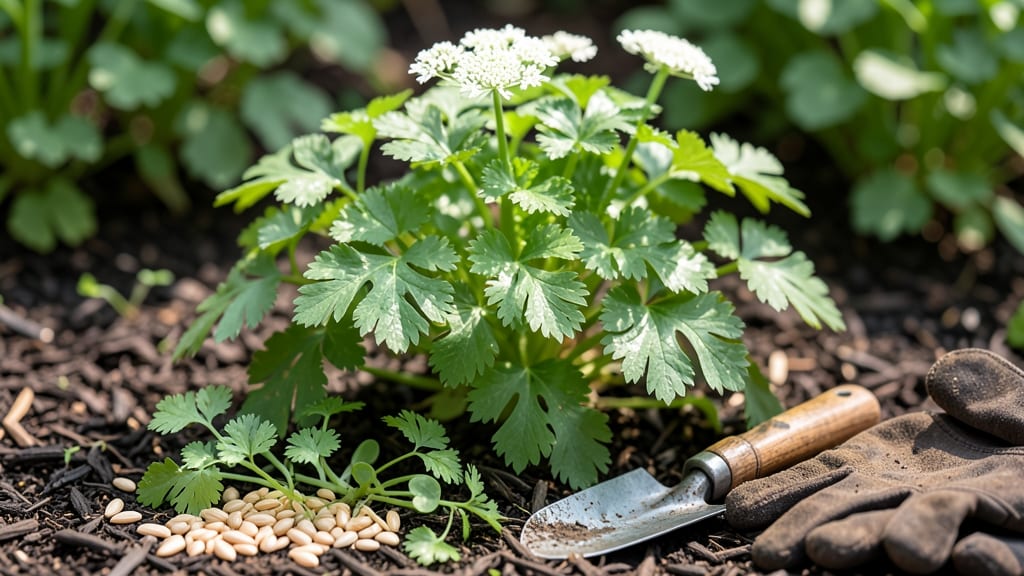
Planting cilantro in Florida can feel like a losing battle—until you know the secret timing that keeps it thriving. Unlike cooler climates, Florida’s subtropical heat forces cilantro to bolt or wilt if planted at the wrong time, but with the right strategy, you can enjoy fresh 🌿 harvests year-round.
The key is avoiding Florida’s brutal summer sun by focusing on fall and early spring planting windows (September–November and February–March). These months offer cooler temperatures and longer shade periods, giving cilantro the perfect conditions to grow without rushing into flower.
Even coastal areas with milder winters can succeed with a few simple adjustments.
I’ve tested these methods in my own Florida garden, and the results speak for themselves: lush, flavorful cilantro that lasts. Whether you’re a seasoned gardener or just starting, these timing tips will help you skip the bitter disappointment and enjoy a steady supply of fresh herbs.
Ready to transform your garden? Let’s dive into the exact months, shade hacks, and companion plants that make cilantro thrive in Florida’s unique climate—no more guesswork, just delicious results.
🌿
When to Plant Cilantro
Jan
❄️
Feb
❄️
Mar
🌱
Apr
🌱
May
🌸
Jun
☀️
Jul
☀️
Aug
🌱
Sep
🌿
Oct
🌿
Nov
🌿
Dec
🌱
Best months to plant cilantro in Florida (avoiding bolting disasters)
Florida’s subtropical climate offers unique challenges for growing cilantro, especially avoiding the dreaded bolting that turns your herb into a bitter, flowering mess. Unlike cooler climates, Florida’s year-round warmth means cilantro thrives only in specific windows—fall and early spring—when temperatures dip below 85°F.
Let’s break down the ideal planting months for your region.
In North Florida (USDA Zones 8a-9a), cilantro grows best from September through November and again from February to March. The cooler winter months (December-January) can work, but humidity spikes and occasional freezing temps (rare but possible) may stress plants.
Meanwhile, South Florida (Zones 10a-11) enjoys a longer window—August through November—thanks to milder winters.
Here’s the key: cilantro bolts (stems elongate and flowers form) when exposed to consistent temps above 80°F or long daylight hours. Florida’s summer heat (May-September) triggers this, so avoid planting then unless you’re using shade tricks (we’ll cover those later!).
The fall planting window is your golden ticket—September-October gives cilantro time to mature before winter’s mild chill sets in.
🌱 Did You Know? Florida’s humidity (often 70-90%) actually helps cilantro thrive—just not in summer. The high moisture reduces stress, but poor airflow can invite pests like aphids. Balance is everything!
| Month |
North Florida (Zones 8a-9a) |
South Florida (Zones 10a-11) |
Key Consideration |
| September |
✅ Ideal |
✅ Ideal |
Temps drop below 85°F; low bolting risk |
| October |
✅ Ideal |
✅ Ideal |
Cooler nights; harvest by November |
| November |
⚠️ Risky (North) |
✅ Good |
North: Frost possible; South: Still warm |
| December |
❄️ High Risk |
✅ Possible |
North: Frost likely; South: Humidity spikes |
| February |
✅ Ideal |
✅ Ideal |
Temps stabilize; low humidity |
| March |
⚠️ Risky (Late) |
⚠️ Risky |
Heat returns; bolting increases |
| April-July |
❌ Avoid |
❌ Avoid |
Temps >85°F; bolting guaranteed |
| August |
❌ Avoid |
⚠️ Shade Only |
South: Try with shade cloth (30-50%) |
Shade-trick gardening: how to grow cilantro in Florida’s summer heat
Florida’s summer heat is cilantro’s worst enemy, but with the right shade strategies, you can grow this herb even in the hottest months. The key is creating partial shade conditions—cilantro thrives with 4-6 hours of morning sun and afternoon shade to prevent bolting.
Without this, your cilantro will quickly turn bitter and flower, ruining its flavor.
I’ve found that dappled sunlight (like under a tree canopy) works best, but if you lack natural shade, DIY solutions like shade cloths or even a simple white umbrella can save your plants. For containers, place them near east-facing windows or under patio covers to mimic these conditions.
Another trick? Plant cilantro near taller, heat-tolerant plants like basil or lettuce, which provide natural shade while also benefiting from the same care. This companion planting method keeps cilantro cooler and happier, even when temperatures climb above 85°F.
🌿
Shade Solutions for Florida Cilantro
DO:
- Use 30-50% shade cloth in peak sun
- Plant near tall companion plants (basil, lettuce)
- Water deeply in morning to cool roots
- Choose heat-tolerant varieties (Calypso, Santo)
DON'T:
- Expose to full afternoon sun (bolting risk)
- Use black plastic mulch (overheats soil)
- Skip shade adjustments during heatwaves
- Plant in low-lying areas (heat traps)
For container gardening, opt for light-colored pots (they reflect heat) and elevate them slightly to improve airflow. If you’re growing cilantro in summer months, consider succession planting every 2-3 weeks—this ensures a continuous harvest before the heat becomes too intense.
Even in Florida’s mild winters, a little extra shade can extend your growing season into December or January.
My best advice? Monitor your plants daily during heatwaves. If leaves start yellowing or wilting, it’s time to move them to a shadier spot immediately. With these shade tricks, you’ll enjoy fresh cilantro even when your neighbors are struggling with bolted, bitter herbs.
☀️
★★★★★4.6(8 reviews)