
Trees
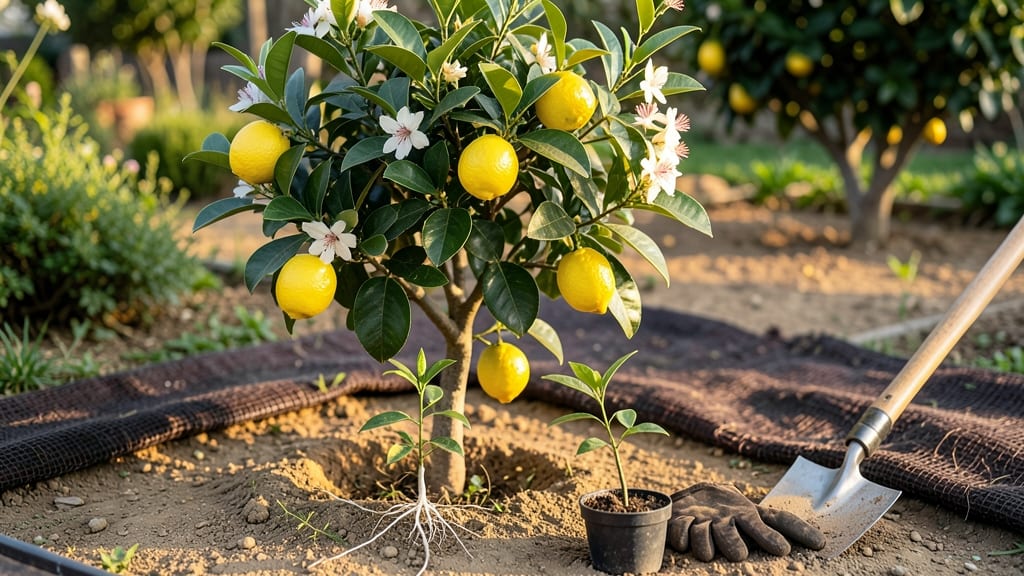
Planting a 🍊 citrus tree in Phoenix isn’t just about grabbing a sapling and sticking it in the ground—timing makes all the difference between a thriving orchard and a sad, wilted disappointment.
The best months to plant your citrus tree in Phoenix’s 9b climate are November through March, when cooler temps and occasional rain give young roots the perfect chance to establish themselves before summer’s brutal heat arrives.
You might think Phoenix’s frost-free winters mean you can plant anytime, but that’s where many gardeners go wrong. Planting in the scorching summer months can shock your citrus tree, leading to stunted growth or even death.
Instead, the ideal window lets you take advantage of the winter season—when the air is crisp, the soil stays moist longer, and your tree has months to build a strong root system before the real heat hits.
This isn’t just theory—it’s what separates a citrus tree that bears fruit for years from one that struggles to survive. Whether you’re dreaming of homegrown lemons or just want a shade tree with a side of sweet oranges, getting the timing right is the key to success.
Let’s break down exactly how to make the most of Phoenix’s unique climate and set your citrus tree up for a lifetime of growth.
From soil prep to microclimate tricks, I’ll walk you through everything you need to know to plant your citrus tree at the perfect time. No more guesswork—just a clear, actionable guide tailored to Phoenix’s desert conditions. Ready to get started?
Best months to plant citrus trees in Phoenix: climate-smart timing
Phoenix’s frost-free winters and intense summer heat make timing critical for citrus tree success. Unlike northern climates, you don’t need to worry about frost damage, but heat stress and transplant shock become major risks if planted at the wrong time.
The sweet spot? Late fall through early spring when temperatures are mild and rainfall is more reliable.
Citrus trees thrive when planted during cooler months because their roots establish before the 100°F+ summers arrive. In Phoenix’s USDA Zone 9b, this means focusing on November through March—a window that balances soil moisture, temperature stability, and minimal pest pressure.
Planting outside this window—especially in summer or early fall—can lead to root burn, leaf scorch, or even death. The spring heat (March–May) is particularly dangerous for newly planted trees, as their root systems aren’t yet deep enough to access moisture.
| Month | Temperature Range | Rainfall (inches) | Planting Risk | Best For |
|---|---|---|---|---|
| November | 60–80°F | 1.0 | Low (ideal) | Bare-root trees |
| December | 55–75°F | 1.2 | Low (ideal) | Container planting |
| January | 50–70°F | 1.1 | Low (ideal) | Dwarf varieties |
| February | 55–80°F | 0.8 | Moderate (watch for heat spikes) | Standard trees |
| March | 70–90°F | 0.5 | High (transplant shock risk) | Last chance (early March only) |
| April–October | 90–110°F+ | 0.1–0.3 | Very High (avoid) | Not recommended |
If you must plant in April or October, do so only with container-grown trees that have established root balls. These months offer marginal success because the soil stays hot and evaporation rates spike, forcing you to water daily. For best results, stick to the November–February window.
Another pro tip: Morning planting is ideal during these months. The cooler temps reduce stress on the tree, and you avoid the midday sun that can dry out freshly planted roots.
If you’re planting in December or January, consider adding a light shade cloth for the first few weeks to protect young leaves from winter sunburn.
Phoenix’s microclimates can vary dramatically—even within a few blocks. If you live in a lower-elevation area (like near the Salt River), you might experience slightly cooler nights in winter, making February planting safer. Conversely, higher elevations (like North Phoenix) can drop below 50°F
Citrus tree varieties and their ideal planting times in Phoenix
Not all citrus trees thrive equally in Phoenix’s 9b climate, and planting times can vary depending on the variety. Some citrus types, like lemon trees and lime trees, are more cold-sensitive, while others like sour orange or meyer lemon handle cooler winter temps better.
Understanding these differences ensures you plant at the perfect window for your specific citrus type.
For cold-sensitive varieties like valencia oranges and persian limes, aim to plant in late winter (February–March) when the risk of unexpected cold snaps has passed. These trees prefer to establish roots before the spring heat kicks in, giving them a head start on growth.
On the other hand, hardier varieties like meyer lemon or calamondin orange can tolerate slightly cooler temps, making January–February ideal for them.
If you’re planting grapefruit trees, which are particularly sensitive to frost, March is your best bet. The extra warmth helps them avoid any lingering chill that could stress young roots.
Meanwhile, kumquat trees, which are more drought-tolerant, can handle planting as late as early April, though they’ll still benefit from cooler winter soil.
| Variety | Cold Hardiness | Best Planting Month | Notes |
|---|---|---|---|
| Meyer Lemon | Moderate | January–February | Tolerates cooler temps; great for containers. |
| Valencia Orange | Sensitive | February–March | Avoid late winter cold snaps; needs warmth. |
| Persian Lime | Sensitive | February–March | Slow to establish; needs consistent moisture. |
| Grapefruit | Very Sensitive | March | Plant after last frost risk; needs heat to thrive. |
| Kumquat | Moderate | January–April | Drought-tolerant; can handle later planting. |
| Sour Orange | Hardy | November–February | Tolerates cooler temps; fast-growing. |
Choosing the right planting time for your citrus variety isn’t just about the calendar—it’s also about microclimates in Phoenix. If you live in a higher-elevation area like North Phoenix, where temps can dip lower, opt for later winter planting (February–March).
Conversely, in lower desert areas like Gilbert or Mesa, where it stays warmer, you can push planting to early April without risking cold damage.
Pro tip: If you’re unsure about your microclimate, check local weather patterns for the past few years. Look for the last average frost date (even if rare) and plant at least 2–3 weeks after to give your citrus tree a buffer.
This small adjustment can make the difference between a tree that thrives and one that struggles.
Finally, remember that container-grown citrus trees can be planted slightly later than bare-root varieties, as their roots are already established. If you’re planting in pots, March–April is still ideal, but you’ll need to monitor soil moisture closely during Phoenix’s summer heatwave.
With the right timing and care, your citrus tree will reward you with years of fruit and shade.