
Plants
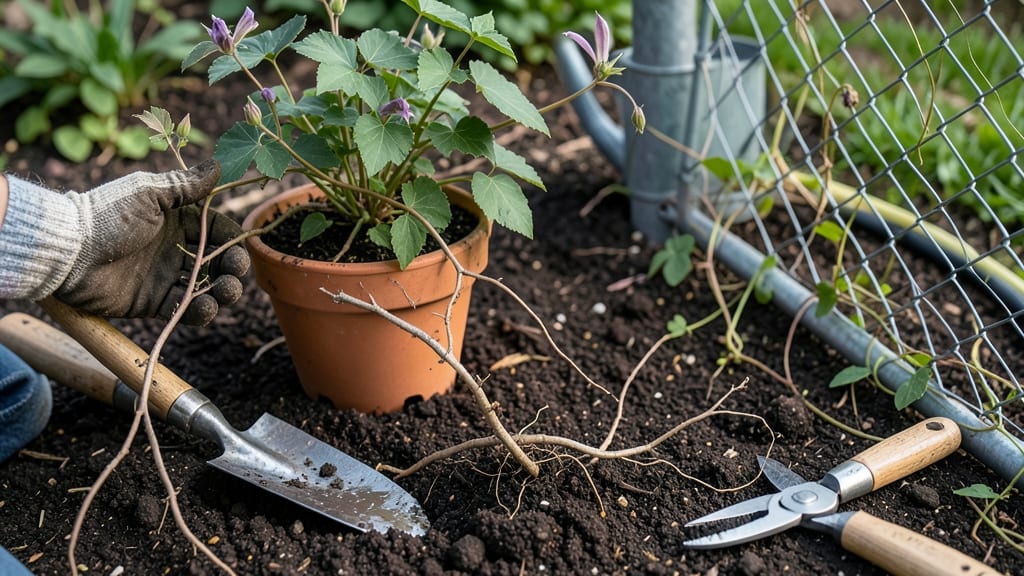
Timing your clematis planting in Colorado could mean the difference between a thriving vine covered in 🌸 blooms and a plant struggling to survive the state's fickle frost patterns. With USDA zones 5-7 and microclimates ranging from Denver's urban warmth to the Rocky Mountains' alpine chill, getting it right takes more than just following a calendar.
Most gardeners assume spring planting is the only option, but Colorado's short growing season actually makes early spring or late fall the sweet spots for clematis success.
The key is understanding your local frost dates - whether you're in the Front Range or Western Slope - and how to work with Colorado's unpredictable weather shifts.
In this guide, I'll break down the exact planting windows for your specific region, including Denver, Colorado Springs, and mountain areas like Aspen. You'll learn how to extend your planting season with simple strategies that protect young plants from late frosts, plus which clematis varieties thrive best in Colorado's climate.
Ready to transform your garden with these stunning vines? Let's get you planting at the perfect moment for your Colorado microclimate - because getting it right means years of effortless, breathtaking blooms without the guesswork.
Colorado’s frost zones & optimal clematis planting dates by region
Colorado’s diverse USDA Hardiness Zones 4-7 create unique challenges for clematis planting. The Front Range (Denver, Boulder, Colorado Springs) typically falls in Zone 5-6, while mountain regions like Aspen and Vail sit in Zone 4-5.
These zones dictate your last frost dates, which are critical for timing clematis planting to avoid frost damage.
For most of Colorado, the ideal planting window stretches from mid-April to early June, aligning with when soil temperatures consistently stay above 50°F (10°C).
However, elevation changes everything—planting in Denver might be safe by late April, while mountain communities like Breckenridge may need to wait until mid-June to avoid late frosts.
Here’s the key: Spring planting (March-May) gives clematis 6-8 weeks to establish roots before summer heat, while fall planting (September-October) must occur 4-6 weeks before first frost to allow root growth. Colorado’s unpredictable frost patterns make fall planting riskier, so I recommend spring planting for beginners.
Urban areas like Denver experience heat islands, where pavement retains warmth and extends the growing season by 1-2 weeks compared to rural zones. Meanwhile, Western Slope cities like Grand Junction enjoy earlier springs due to lower elevation and desert climates, often allowing planting as early as mid-March.
To simplify, I’ve created a region-specific planting timeline below, accounting for microclimates, last frost averages, and soil warming needs. Use this as your guide to avoid the most common mistake: planting too early and risking frost damage.
If you’re planting in Denver or Colorado Springs, aim for late April to early May—this gives clematis enough time to root before summer’s intense heat. For mountain regions, wait until after June 1 to avoid late frosts that can kill tender new growth.
I’ve seen gardeners in Aspen lose entire clematis plants by planting too early, so patience pays off.
One pro tip: Soil temperature matters more than calendar dates. Use a soil thermometer to confirm temperatures are consistently above 50°F (10°C) before planting. Cold soil slows root growth, making clematis vulnerable to stress.
In Zone 5 areas, this often means waiting until mid-May even if frost dates suggest earlier planting.
For fall planting, the window narrows significantly. In Denver, you have September 15-October 5, while mountain regions must plant by early September. Fall-planted clematis needs 4-6 weeks of warm soil to establish roots before dormancy. If you miss this window, consider container gardening for flexibility.
Remember: Clematis roots are shallow, so they’re sensitive to temperature fluctuations. Mulching with 3-4 inches of organic mulch (straw or shredded leaves) helps regulate soil temperature and retain moisture. This is especially critical in Colorado’s dry climates, where soil can dry out quickly after planting.
🌸
How to extend the clematis planting season in Colorado’s unpredictable climate
Colorado’s late spring frosts can turn even the most eager gardener’s plans into a gamble—but with the right strategies, you can safely plant clematis weeks earlier or later than usual. The key is working with your microclimate, not against it.
In Denver’s urban heat pockets, you might get away with planting as early as mid-March, while mountain regions like Aspen should wait until after May 1st to avoid frost damage.
For gardeners in the Front Range, where temperatures fluctuate wildly, I recommend using black plastic mulch or row covers to warm the soil by 5-10°F. This simple trick can push your planting window back by 2-3 weeks without risking frost damage to tender roots.
Just lay the plastic down 2-3 weeks before planting to let the soil heat up naturally.
🌱
🌡️ Clematis Frost Protection Strategies
- Soil Warming: Use black plastic mulch 2-3 weeks pre-planting to raise soil temps by 5-10°F
- Row Covers: Lightweight fabric extends planting by 3-4 weeks in spring/fall
- Container Gardening: Move pots indoors during late frosts (ideal for urban gardeners)
- Mulching: Add 3-4 inches of straw after planting to insulate roots
- Microclimate Check: Urban areas warm faster than rural—plant 1-2 weeks earlier
If you’re planting in late spring (May-June), focus on late-blooming varieties like ‘Jackmanii’ or ‘Comtesse de Choiseul,’ which establish roots quickly and tolerate cooler soils. For fall planting, aim for early September in the Front Range or mid-September in mountain areas—giving roots time to anchor before winter.
Container gardening is my go-to method for urban Colorado gardeners with limited space or unpredictable microclimates. Simply plant clematis in a 15-gallon pot with well-draining soil, and when nighttime temps drop below 40°F, move it to a protected spot (like a garage or under an eave).
This flexibility lets you plant up to 6 weeks later than ground planting.
For mountain gardeners in zones 5-6, I can’t stress enough the importance of mulching. Apply a 3-4 inch layer of straw after planting to insulate roots during temperature swings.
In high-elevation areas like Vail, even a single late frost can set back growth by weeks—so this extra protection pays off big time.
Remember, the earliest you should plant clematis in Colorado is when your soil reaches 50°F and stays there consistently. Use a soil thermometer to check—it’s the most reliable way to time your planting.
And if you’re still unsure? Wait until after your average last frost date—it’s better to be a week late than a day too early with clematis.