
Plants
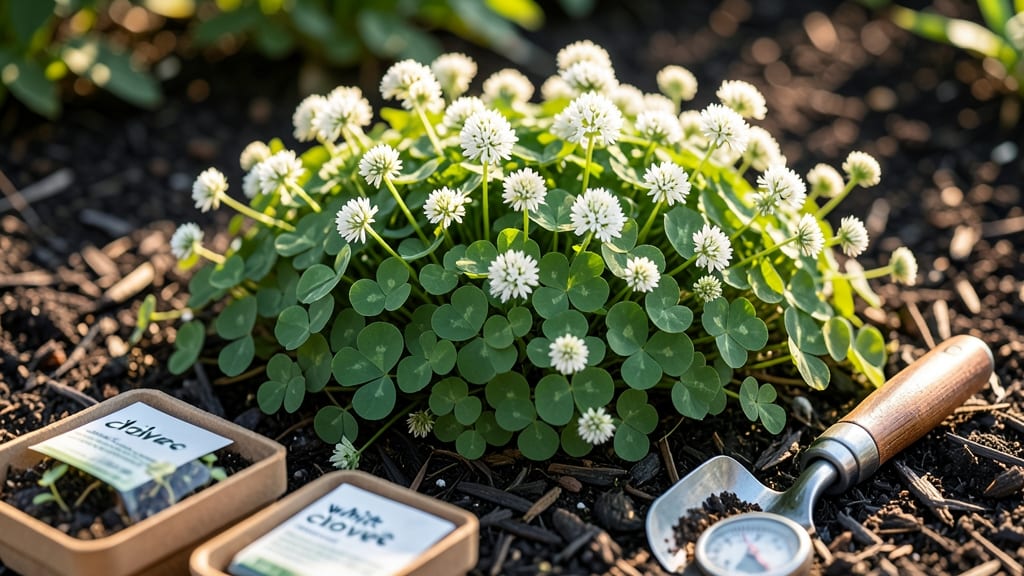
If you're wondering when to plant clover in Iowa, timing is the key to fast germination and a thriving lawn or cover crop.
In Zone 5a, those crisp spring mornings in March or early April are your best bet—but don’t overlook the cooler days of August or September for a second chance.
Clover 🌱 loves Iowa’s climate, but getting it right means avoiding frost damage or weed competition. Whether you’re planting white clover for pollinators or red clover for soil health, the goal is the same: establish strong roots before summer’s heat sets in.
I’ll break down the exact planting windows, soil prep tips, and even which varieties grow best in Iowa’s unpredictable weather. No guesswork—just proven strategies to get your clover off to a fast, healthy start.
Ready to transform your lawn or fields? Let’s dive into the best times to plant and keep your clover growing strong all season long.
Best planting months for clover in Iowa’s Zone 5 climate
Timing your clover planting in Iowa’s Zone 5 means choosing between two ideal windows: early spring or late summer. Both offer distinct advantages, but understanding soil temperature and frost dates is key to success.
In Iowa, the last spring frost typically hits around April 15, while the first fall frost arrives by October 15. These dates bookend your best planting opportunities.
For spring planting, aim for March through early April when soil temperatures consistently reach 40°F–60°F. This warmth triggers faster germination, giving clover a head start before summer weeds take over.
In contrast, fall planting in August or September allows seeds to establish roots before winter dormancy, often resulting in a stronger spring growth spurt.
Iowa gardeners often favor white clover for lawns and red clover for cover crops, each with slightly different timing needs. White clover thrives with early spring planting, while red clover benefits from both spring and fall sowing.
Alsike clover, a less common variety, prefers cooler temperatures and works well in late summer plantings.
Here’s the critical rule: Never plant clover when soil temperatures drop below 40°F or exceed 85°F. These extremes slow germination or cause seed death. Use a soil thermometer to check readiness—this simple tool can save you from wasted seeds.
| Planting Window | Best Months | Soil Temp | Germination Time | Weed Competition |
|---|---|---|---|---|
| Early Spring | March–April | 40°F–60°F | 10–14 days | Moderate (early weeds) |
| Late Summer | August–September | 50°F–70°F | 7–10 days | Low (weeds dormant) |
If you’re planting white clover for a lawn, prioritize spring planting to establish a dense cover before summer heat stress. For cover crops or pollinator support, fall planting often yields better results, as cooler temperatures reduce weed pressure and encourage deeper root growth.
Iowa’s USDA Zone 5a climate means you’ll need to adjust for microclimates—low-lying areas may frost later in spring or earlier in fall. Monitor local weather forecasts and use row covers if planting near the frost dates to protect young seedlings.
Pro tip: Mix clover seeds with a light layer of compost before planting. This improves soil contact and retains moisture, which is especially helpful in Iowa’s dry spells. Aim for a seed depth of ¼ inch—any deeper, and germination slows dramatically.
For maximum nitrogen benefits, plant clover 3–4 weeks before your intended harvest (if used as a cover crop). This timing ensures robust root systems that fix nitrogen efficiently. If growing for lawns, plan for a two-year establishment period before expecting full coverage.
Remember, clover is a perennial, so once established, it’ll return year after year. Your first planting sets the stage for future growth—so choose your window wisely to avoid common pitfalls like slow germination or weed takeover.
Best planting months for clover in Iowa’s Zone 5 climate
Iowa’s USDA Zone 5 climate gives you two prime windows to plant clover: early spring and late summer. These timing choices help avoid frost damage while maximizing germination. For most Iowa gardeners, the ideal months are March through April for spring planting and August through September for fall.
Each window offers unique benefits depending on your goals—whether you’re planting for lawn improvement, pollinator support, or cover crops.
Spring planting (March–April) aligns with soil warming and gives clover a head start before summer weeds compete. This is especially effective for white clover and red clover, which thrive in Iowa’s conditions. Fall planting (August–September), on the other hand, lets seeds establish roots before winter, reducing early-season weed pressure.
Both methods work, but your choice depends on your local last frost date (typically around April 15 in Iowa) and the specific clover variety you’re planting.
If you’re planting white clover for lawns, aim for late April to early May to avoid early frost. This variety spreads quickly and tolerates foot traffic, making it ideal for Iowa’s lawns.
For red clover, which is often used as a cover crop or for pollinators, late summer planting (August) ensures it blooms the following year.
Always check your local frost dates—Iowa’s first frost typically hits around October 15, so avoid planting after mid-September unless you’re using cold-hardy varieties like alsike clover.
Pro tip: Use a soil thermometer to confirm soil temps are above 40°F before planting. Clover seeds won’t germinate well in colder soil, and waiting for the right conditions saves time and seed.
For large areas, consider broadcasting seeds with a spreader for even coverage. In smaller gardens, hand-scatter and lightly rake seeds into the top ¼ inch of soil for best results.
Remember, clover is a perennial, so once established, it’ll return year after year. The key to success in Iowa is planting at the right time to outpace weeds and frost. Whether you choose spring or fall, consistent moisture and sunlight will help your clover thrive.