
Plants
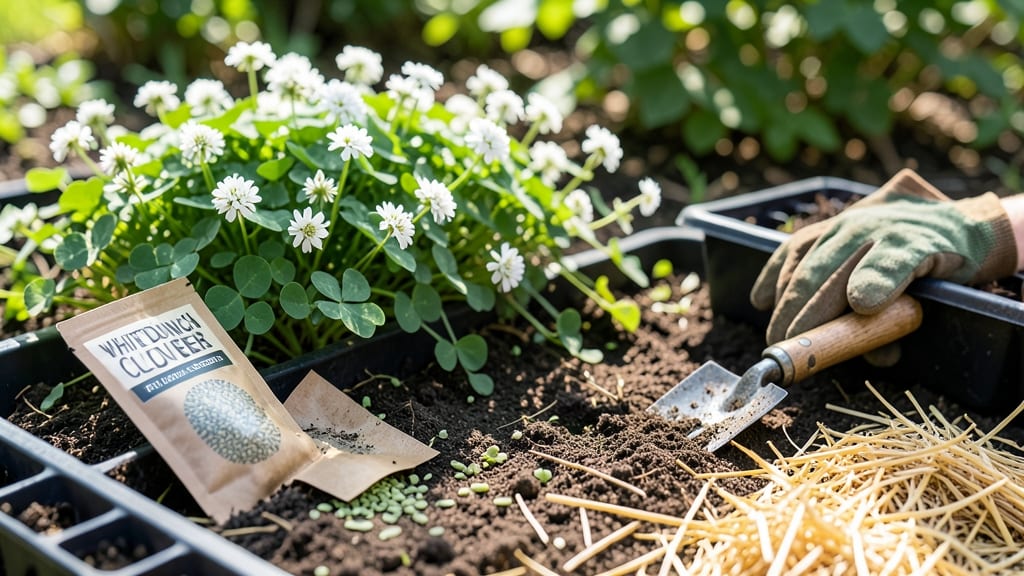
Planting clover in Kentucky at the wrong time can leave you with sparse, struggling patches instead of that lush, green lawn you dream of. The key to success lies in understanding when to plant clover—specifically, those narrow windows in early spring or fall when conditions are just right.
If you're in USDA Zone 6a, like most of Kentucky, timing matters more than you might think. Cool soil temperatures and consistent moisture are your best friends, while summer heat or early frost can turn your hard work into a flop.
Let me show you exactly when to plant for maximum growth and how to avoid common pitfalls.
Whether you're choosing white clover for its hardiness or red clover for its vibrant blooms, getting the timing right means fewer weeds and more natural lawn resilience. I'll walk you through the ideal months, soil prep tips, and how Kentucky's climate—including those unpredictable frosts—can work in your favor.
Ready to transform your lawn? By the end of this guide, you'll know exactly when to plant clover in Kentucky for a thicker, greener space that lasts all season long—no guesswork required.
Best months to plant clover in Kentucky for maximum growth
Timing your clover planting in Kentucky is all about avoiding late frosts and summer heat. The ideal windows are early spring (March-April) and early fall (September-October), when soil temperatures hover around 50-65°F. These periods give clover seeds the perfect balance of moisture and warmth for strong germination.
Kentucky’s USDA Zone 6a climate means you’ll face last frost dates around April 15, so planting white clover or red clover too early can leave young seedlings vulnerable. Similarly, fall planting should wrap up by mid-October to allow roots to establish before the first frost hits.
Here’s how Kentucky’s rainfall patterns and soil conditions influence your planting schedule:
| Planting Window | Best Months | Soil Temp | Rainfall | Notes |
|---|---|---|---|---|
| Early Spring | March-April | 50-65°F | Moderate | Avoid planting before last frost; use white clover for faster establishment. |
| Early Fall | September-October | 60-70°F | Higher | Best for red clover; ensures root growth before winter dormancy. |
| Late Summer | August | 70-80°F | Low | Risky due to drought; only attempt with supplemental irrigation. |
If you’re in northern Kentucky (e.g., Lexington or Louisville), aim for late March to early April in spring, as frosts linger longer. Meanwhile, southern Kentucky (e.g., Bowling Green) can start as early as February if soil temps are stable. Always check NOAA frost predictions for your specific area.
For Dutch white clover, which is popular for lawns, spring planting is ideal because it establishes quickly and tolerates foot traffic better than red clover. In contrast, red clover thrives with fall planting and is better suited for soil improvement due to its deep roots.
Kentucky’s loamy soils retain moisture well, but drought conditions in late summer can stress clover seedlings. If you must plant in August, water deeply 2-3 times per week until roots establish. Mulching with straw helps retain soil moisture and regulates temperature.
Pro tip: Mix clover seeds with a light layer of compost before planting. This improves soil structure and provides essential nutrients like nitrogen, which clover naturally fixes in the soil. Just avoid over-fertilizing—clover is a legume and doesn’t need heavy feeding.
Finally, if you’re overseeding an existing lawn, late summer (August) is your best bet. The heat stress on grass triggers thinning, giving clover seeds a chance to germinate without competition. Just be prepared for uneven growth if rainfall is inconsistent.
🌱
How Kentucky’s climate affects clover planting success
Kentucky’s USDA Zone 6a climate brings unique challenges for clover growers, from sudden frost threats to summer humidity. Understanding these factors helps you choose the right planting window and clover variety for your yard.
For example, Dutch white clover thrives in Kentucky’s heat, while red clover may struggle with summer drought.
One critical factor is Kentucky’s average last frost date around April 15. Planting too early risks frost damage, while waiting too long may lead to summer heat stress. Localized microclimates—like valleys holding cold air longer—can shift frost dates by 1-2 weeks. Always check NOAA’s local forecasts before planting.
Summer heatwaves (common in Kentucky’s July-August) can stress young clover seedlings. Varieties like medium red clover handle heat better than white clover, which prefers cooler conditions. If planting in late summer, opt for heat-tolerant varieties and keep soil moist during establishment.
Humidity plays a dual role: too much can encourage fungal diseases, while too little stresses plants. Kentucky’s fall humidity spikes (September-October) make early fall planting ideal—just avoid waterlogged soil. Use a soil moisture meter to monitor conditions and adjust watering accordingly.
- Last Frost Date: April 15 (plant after this for spring)
- First Frost Date: October 15 (plant before this for fall)
- Summer Heatwaves: July-August (choose heat-tolerant varieties)
- Fall Humidity: September-October (ideal for germination)
- Soil Temperature: ≥50°F for best seed germination
Kentucky’s loamy soils (common in the Bluegrass region) drain well but may compact easily. Amend with compost or sand if your soil feels dense. A simple soil test (available through UK Extension offices) reveals pH levels—clover prefers 6.0–7.0.
Adjust with lime (to raise pH) or sulfur (to lower it) before planting.
For urban gardeners, microclimates near buildings or pavement can alter planting success. South-facing lawns warm faster in spring, while north-facing areas stay cooler. Test your yard’s conditions by planting a small test patch in March and monitor growth before committing to full lawn coverage.
Remember: Kentucky’s variable rainfall (drought-prone summers, wet springs) means clover needs consistent moisture. Mulch with straw or wood chips to retain soil moisture and suppress weeds—especially important during the critical first 4 weeks after planting.