
Plants
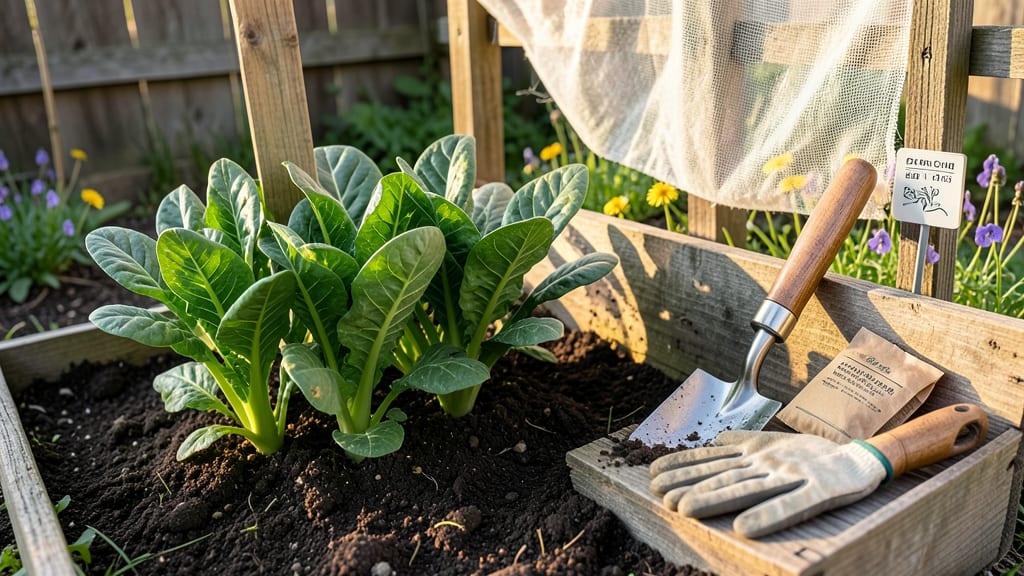
If you're dreaming of a bountiful collard harvest 🥬 but don’t want to gamble with frost or bolted greens, knowing when to plant collard seeds in NC is everything in the state’s unique climate.
The difference between a thriving garden and a sad, wilted disappointment often comes down to timing—especially in zones 7a/7b, where frost dates can shift unpredictably.
You might think spring is the only window for collards, but here’s the secret: fall planting actually gives you sweeter, more tender leaves that last well into winter.
Whether you're a first-time gardener or a seasoned grower, understanding your local frost dates and soil temperatures is the key to unlocking a continuous harvest from April through November.
Let me show you exactly when to plant collard seeds in NC—from the ideal late February start for spring greens to the perfect August kickoff for fall crops.
We'll cover how to read your zone's frost chart, adjust for coastal vs. Piedmont differences, and even extend your growing season with simple tricks.
Ready to grow collards that taste like they came from a Southern grandmother’s garden? Let’s dive into the exact planting schedule that’ll have you harvesting flavorful, homegrown greens all season long—no guesswork required.
NC Zone 7a/7b frost-date chart: best collard planting windows
North Carolina’s Zone 7a/7b climate gives you two prime windows for planting collard seeds: spring and fall. The key is avoiding frost damage while aligning with soil temperatures that encourage strong growth.
For spring planting, aim for 4-6 weeks before your last frost date, typically late February to early March. Fall planting should happen 8-10 weeks before your first frost, usually mid-August to early September.
Your last frost date in NC’s Piedmont region (Zone 7a) usually falls around March 15, while coastal areas (Zone 7b) may see it as early as March 1. For first frost dates, inland areas hit November 15, while coastal zones can extend to December 1.
These dates create your planting window of opportunity—miss them, and you risk stunted growth or bolting.
Direct sowing is ideal for spring collards in NC, as seedlings handle cooler soil temperatures better. However, for fall harvests, starting seeds indoors 4-6 weeks before transplanting gives you a head start.
This strategy ensures your plants mature before cool autumn temperatures slow growth. Always check your local USDA zone map for precise frost dates, as microclimates can shift planting windows by 2-3 weeks.
Here’s your collard planting timeline for NC’s Zone 7a/7b, broken down by season and method:
| Planting Window | Zone 7a (Piedmont) | Zone 7b (Coastal) | Soil Temp | Method |
|---|---|---|---|---|
| Spring Direct Sow | Late Feb - Early Mar | Early Feb - Mid Mar | 45-55°F | Outdoor seeds |
| Spring Transplant | Mid Mar - Early Apr | Late Feb - Mid Mar | 50-60°F | Start indoors |
| Fall Direct Sow | Mid Aug - Early Sep | Late July - Mid Aug | 60-70°F | Outdoor seeds |
| Fall Transplant | Early Sep - Mid Oct | Late Aug - Early Sep | 55-65°F | Start indoors |
For direct sowing, plant collard seeds ¼ inch deep in rows spaced 18-24 inches apart. This spacing prevents overcrowding and gives leaves room to develop.
If transplanting, harden off seedlings for 7-10 days before moving them outdoors. Use row covers if nighttime temperatures dip below 40°F to protect young plants.
One pro tip for NC gardeners: monitor soil moisture closely after planting. Collards thrive in well-draining soil with a pH of 6.0-7.0. Amend your soil with compost before planting to improve fertility.
A mulch layer also helps retain moisture and regulate soil temperature, which is critical during NC’s humid summers and cool winters.
Remember, succession planting can extend your harvest. Sow new seeds every 2-3 weeks during your planting window to ensure a continuous supply of tender collard greens. This works especially well for fall harvests, where cooler temperatures sweeten the leaves.
By following this schedule, you’ll enjoy fresh collards from April to November—just in time for NC’s famous soul food season.
If you’re in a coastal NC zone (7b), you can push your fall planting slightly later due to milder winters. However, avoid planting after September 15, as day lengths shorten and plants may bolt prematurely.
For Piedmont gardeners (Zone 7a), stick to the earlier timeline to avoid early frost damage.
Use this chart as your planting guide, and don’t forget to mark your calendar for harvest time. With the
How to extend collard growing seasons in NC (cold frames, row covers, succession planting)
Want to enjoy collard greens from early spring through late fall? The secret lies in extending your growing season with simple, low-cost techniques.
In NC’s zone 7a/7b, where frost can arrive as early as mid-November or linger until mid-March, these methods help you harvest tender leaves for months longer than the standard planting windows.
I’ve tested these strategies in my own garden, and they’ve added 4-6 extra weeks to my collard harvest—no greenhouse required. The key is combining seasonal protection with smart planting schedules. Let’s break down the three most effective methods to keep your collards thriving year-round.
🌱 Extend Your Collard Season in NC
- 📅 Succession Planting: Sow seeds every 3-4 weeks from late February to mid-August for continuous harvests. Start with 4-6 week intervals in spring, then 2-3 weeks in summer.
- 🛡️ Cold Frames: Use low-cost frames (even repurposed windows!) to protect plants through light frosts (28-32°F). Add straw mulch (3-4 inches) for insulation.
- 🌿 Row Covers: Lightweight fabric extends harvests by 2-3 weeks in fall/spring. Secure edges with bricks or soil to prevent wind damage.
- 🌡️ Heat Tolerance: Collards handle summer heat better than most greens. Plant shade cloth (30%) if temps exceed 90°F for extended periods.
- 🌱 Overwintering: Mulch heavily (6+ inches) with straw or leaves after first frost. Collards often survive light winters and rebound in spring.
For succession planting, I recommend starting with 4-6 weeks between each batch in spring. This ensures you’re always harvesting fresh leaves while new plants mature.
In my garden, I plant the first batch in late February (just before the last frost) and the final batch in mid-August to catch the fall harvest before frost.
If you’re using cold frames, place them in a south-facing location to maximize sunlight. I’ve seen collards survive 20°F with proper insulation—just monitor soil moisture, as cold frames can dry out faster. For row covers, remove them during the day in warm weather to prevent overheating.
One pro tip: Companion planting with bush beans or radishes helps extend your season too. The beans fix nitrogen in the soil, while radishes act as early indicators of soil health. Together, they create a self-sustaining microclimate that keeps collards productive longer.
Remember, the goal is consistent harvests, not perfection. Even if your methods aren’t flawless, these techniques will give you collards for nearly 10 months instead of just 4-5. Start with one method this season—like adding row covers to your fall planting—and build from there.