
Plants
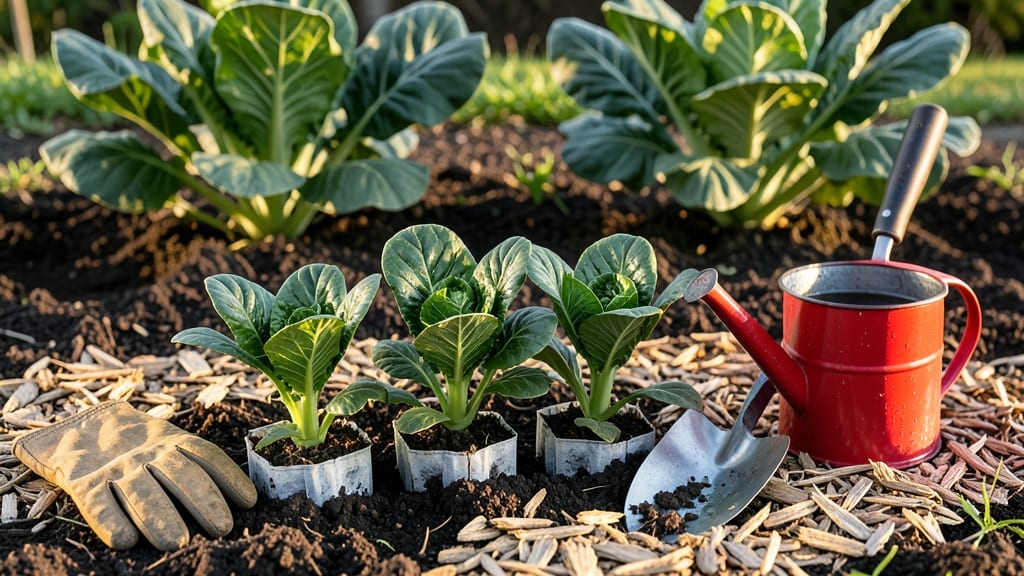
If you've ever struggled with when to plant collards in South Carolina, you're not alone—getting the timing wrong can mean bitter greens or bolted plants before harvest.
The key lies in understanding your local frost dates and heat patterns, which vary between Charleston's coastal breezes and the Piedmont's warmer nights.
Collards 🥬 thrive as a cool-season crop, but they need warm soil to germinate properly. Planting too early risks frost damage, while waiting too long can trigger bolting. The sweet spot? Late summer for fall harvests and early spring for winter greens—both strategies work beautifully in USDA zones 7b-8a.
I'll break down the exact planting windows, including a frost-date chart tailored to SC's regions, so you can avoid common mistakes like overcrowding or heat stress.
Whether you're a first-time gardener or a seasoned pro, these tips will help you grow collards that stay tender and productive from October through February.
Ready to master your collard harvest? Let's dive into the science-backed schedule that keeps your greens sweet and your garden thriving all winter long.
South Carolina collard planting calendar: frost dates & optimal windows
Collards thrive in South Carolina’s USDA zones 7b-8a, but getting the timing right means the difference between a bountiful harvest and bolted greens. The key is planting when soil temps hit 50°F and avoiding both frost and summer heat stress.
For most of SC, this means two ideal windows: early spring and late summer.
Your last frost date (around March 15) and first frost date (around November 15) create a 215-day frost-free window. This gives you two prime planting opportunities: March-April for spring harvests and August-September for fall/winter production.
Coastal areas like Charleston may extend these windows slightly due to milder winters.
Here’s the breakdown by region—Charleston’s coastal climate differs from inland Columbia and Greenville’s slightly cooler Piedmont conditions. Timing these windows correctly prevents heat bolting in summer or frost damage in winter.
For spring planting, aim to transplant seedlings 2-3 weeks before your last frost date. In Charleston, this means February 15-March 1, while Greenville gardeners should wait until March 1-15. Use row covers if late frosts threaten—collards can survive 20°F but prefer 40-85°F for optimal growth.
Late summer planting (your second chance) should happen 6-8 weeks before your first frost. This means August 15-September 15 for Charleston and July 30-September 10 for Greenville.
Seedlings planted this late will mature just in time to bolt before winter, but their leaves will still be tender and delicious through December-February.
Pro tip: Use heat-tolerant varieties like 'Top Bunch' or 'Georgia Southern' for late summer plantings. These handle 90°F+ temps better than traditional types, preventing early bolting. Pair them with shade cloth during peak afternoon heat if possible.
Remember, soil temperature matters more than air temperature. Use a soil thermometer to confirm 50°F+ before planting. Cold soil delays germination, while soil too warm (>85°F) can cause seedling stress. Aim for 60-75°F soil for best results.
For containers, adjust timing by 1-2 weeks earlier—pots warm up faster and dry out quicker. Use self-watering containers and move pots to shadier spots during summer heat to prevent bolting.
Your harvest window depends on planting time: spring plantings yield in 60-75 days, while fall plantings mature in 45-60 days. Start harvesting outer leaves when they reach 6-12 inches—this encourages continuous regrowth for months.
How to extend your collard harvest: fall vs. spring planting strategies
Fall planting (August-September) is my top recommendation for South Carolina gardeners because it aligns perfectly with the state's cool-season growing window. Collards sown in late summer have 8-10 weeks to mature before first frost, giving you a harvest from October through December.
The key is starting seeds indoors 4-6 weeks before your target transplant date—typically mid-August for most of the state.
Spring planting works too, but with higher bolting risks in SC's warming temperatures. If you choose spring, aim for early March transplants when soil reaches 50°F. Direct sowing in spring is risky because seedlings struggle to establish before summer heat arrives.
I’ve found that transplants give you a 3-week head start on growth compared to direct-sown seeds.
Here’s my 3-step cold-hardening protocol for seedlings to ensure they survive South Carolina’s unpredictable fall weather:
- 🌡️ Days 1-3: Move seedlings outdoors for 2 hours daily in partial shade, increasing exposure by 1 hour each day.
- 🌬️ Days 4-6: Gradually introduce direct sunlight for 4-6 hours while protecting from wind with row covers.
- ❄️ Days 7-10: Overnight exposure to 35-40°F temps (use frost blankets if needed) to toughen roots.
For extended harvests, I recommend a staggered planting approach: sow half your seeds in August and the other half in early September. This ensures a continuous supply of fresh leaves from October through January.
In coastal areas like Charleston, you can even push harvests into early February thanks to the moderating ocean breezes.
One critical mistake I see is planting collards too close to summer’s end—this gives them insufficient time to mature before frost. Aim to have your first harvest-ready plants by mid-October to avoid bitter, frost-damaged leaves.
Use row covers in November to protect tender growth if you want to harvest later in the season.
Spring planting requires extra vigilance against bolting. If you transplant in March, keep plants well-watered and provide afternoon shade during April’s heat spikes. I’ve had success with shade cloth (30-50% coverage) to delay bolting while still providing enough light for growth.
Remember, collards are perennial in SC’s climate—if you plant them correctly in fall, they’ll often regrow the following spring with minimal care. Just mulch heavily in winter to protect roots from freezing temperatures, and you’ll have a self-sustaining collard patch for years to come. 🥬