
Plants
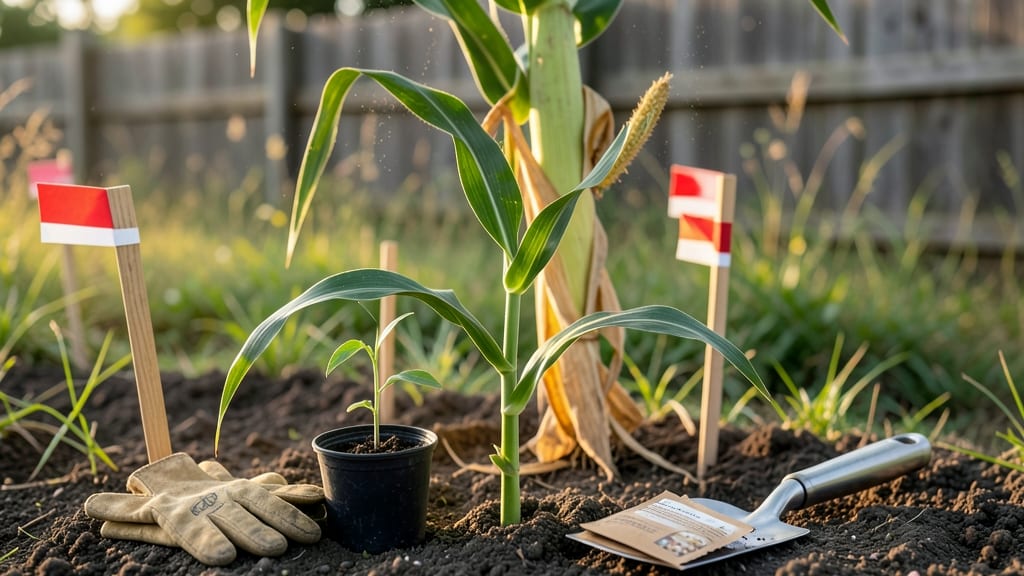
Timing your 🌽 corn planting in Middle Tennessee isn’t just about checking the calendar—it’s about playing the climate’s unpredictable game. Plant too early, and a late frost could turn your tender seedlings into sad, wilted souvenirs. Too late, and your harvest might arrive just as the weather turns chilly.
Here’s the secret: Zone 7a’s sweet spot for planting corn falls between mid-April and early May, when soil temperatures hit a steady 60°F and the threat of frost has mostly faded.
But don’t just set a date in stone—soil warmth and local microclimates (like Nashville’s urban heat islands vs. Chattanooga’s cooler valleys) can shift your ideal window by 1–2 weeks.
Whether you’re growing sweet corn for summer BBQs or field corn for livestock, this guide breaks down exactly when to drop those seeds for maximum yield. We’ll cover soil thermometers, frost-proofing tricks, and how to stretch your harvest with smart succession planting.
Ready to turn your garden into a cornucopia? Let’s dive into the precision timing that’ll make your ears plump, sweet, and ready to harvest by late July—just in time for your first taste of summer.
Middle Tennessee corn planting dates by Zone 7a/7b: soil temperature & frost risks
Timing your corn planting in Middle Tennessee isn’t just about checking the calendar—it’s about soil temperature, frost dates, and understanding your local microclimate. Zone 7a/7b gardeners can expect last frost dates around April 15, but corn seeds need warm soil (50–60°F) to germinate properly.
Planting too early risks frost damage, while waiting too long may shorten your harvest window.
For sweet corn, aim for mid-April to early May when soil temperatures consistently stay above 60°F. Field corn, which matures later, can tolerate slightly cooler soils but still benefits from warmer planting conditions.
Nashville’s Zone 7a tends to warm up faster than Chattanooga’s Zone 7b, so adjust your timeline accordingly.
A soil thermometer is your best tool for precision. Bury it 2 inches deep and wait until readings hit 50°F at minimum—this ensures strong germination. If your soil is still cold, opt for early-maturing varieties like ‘Silver Queen’ (70 days to harvest) to maximize your growing season.
| Factor | Zone 7a (Nashville) | Zone 7b (Chattanooga) | Action |
|---|---|---|---|
| Last Frost Date | April 10–15 | April 15–20 | Wait 2 weeks after last frost |
| Ideal Planting Window | Mid-April | Late April | Use soil thermometer (50–60°F) |
| Soil Temp for Germination | 50–60°F | 50–60°F | Delay if below 50°F |
| Heat Unit Needs | 2,400–2,800 | 2,200–2,600 | Choose shorter-season varieties |
| First Frost Risk | Mid-October | Late October | Plant succession crops by July |
If you’re unsure about your exact last frost date, use the National Weather Service’s historical data for your county. For example, Nashville’s average last frost is April 10, while Chattanooga’s is closer to April 15.
Planting 2 weeks after these dates gives your seedlings a buffer against late frosts.
For succession planting, stagger your corn in 2-week intervals through early June. This ensures a continuous harvest and reduces the risk of losing your entire crop to pests or weather. If you’re growing field corn for grain, plant later (early May) to avoid earworm infestations common in early plantings.
Watch for heat stress in late summer—corn needs consistent moisture to pollinate properly. If temperatures exceed 90°F for extended periods, provide afternoon shade cloth to protect young plants. Mulching with straw also helps retain soil moisture and regulate temperature.
Pro tip: Mark your calendar for July 4th weekend—this is often the last chance to plant a second crop of short-season varieties like ‘Peaches and Cream’ (72 days to harvest). By this time, your first planting should be tasseling, leaving room for a late-season harvest in early October.
How to adjust corn planting for Middle Tennessee’s unpredictable weather patterns
Middle Tennessee’s weather can throw curveballs—one day it’s 70°F and sunny, the next it’s a 30°F frost warning. If you’ve ever watched your corn seedlings shiver under a late frost, you know how quickly things can go wrong.
The key to success? Flexible planting strategies that account for sudden cold snaps, heatwaves, and everything in between.
Start by planting in staggered batches every 10–14 days from mid-April through early May. This ensures at least one batch will thrive, even if Mother Nature throws a tantrum. For example, if your first planting gets nipped by frost, your second batch might still reach maturity by late summer.
Frost cloth or row covers are your best friends for early plantings. Lay them over seedlings at night if a frost is forecasted—just
- 📅 Plant in batches: Spread plantings every 2 weeks to hedge against frost risks. Example: April 15, April 29, May 13.
- 🌡️ Use a soil thermometer: Wait until soil hits 60°F consistently—cold soil stunts growth.
- 🛡️ Protect with row covers: Cover seedlings if frost is forecasted, but remove by 10 AM to prevent overheating.
- 🔥 Choose early-maturing varieties: ‘Silver Queen’ (70 days) or ‘Peaches and Cream’ (80 days) beat late frosts better than long-season types.
- 🌿 Replant if needed: If early plantings fail, sow a new batch by early June for a late-summer harvest.
Heatwaves can also derail your corn. If temperatures soar above 90°F during pollination (when tassels emerge), kernels may develop poorly. To combat this, ensure your corn gets consistent watering—deep soaks every 2–3 days—especially during tasseling. Mulch with straw to retain moisture and keep roots cool.
If your early plantings fail due to frost, don’t panic! Middle Tennessee’s growing season is long enough to try again. Plant a short-season variety like ‘Ambrosia’ by early June for a harvest in late August or early September.
Just be prepared to watch for corn earworm and other pests that thrive in warm weather.
Finally, keep an eye on your local extended forecast. Sign up for alerts from your county’s Cooperative Extension Service—they’ll warn you about frost risks and heat advisories so you can act fast.
With these adjustments, you’ll turn Middle Tennessee’s quirks into opportunities for a reliable corn harvest, no matter what the weather throws your way.