
Plants
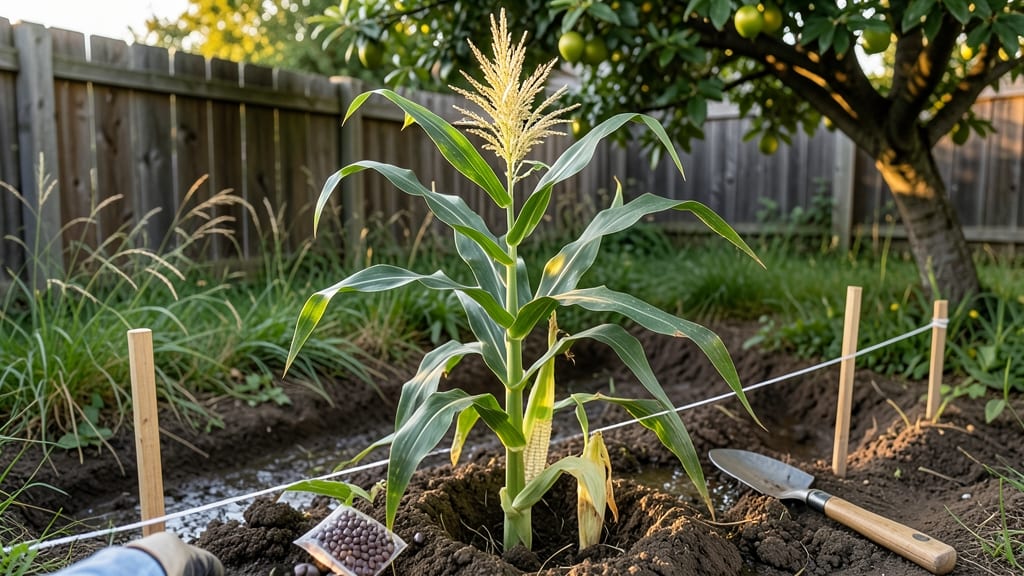
Planting corn in Nebraska at the wrong time can mean the difference between a bumper crop of 🌽 and a sad, stunted disappointment. Forget guessing by the calendar—soil temperature is the real game-changer for fast germination and strong starts.
Nebraska’s 5a-6b zones demand precision, especially when spring weather plays tricks. Planting too early when the soil is still chilly can leave seeds sitting in cold, damp conditions, inviting rot instead of roots. But wait too long, and you risk losing precious growing days before harvest.
I’ve cracked the code on timing based on decades of Nebraska Extension data. We’re talking 50°F soil temps as your minimum trigger—earlier than you might think!—and a window that shifts from southeast to panhandle regions.
Let me show you exactly when to drop those seeds for the fastest, most reliable growth.
Ready to skip the guesswork? You’ll learn how to test soil temperature, adjust for microclimates, and even salvage early mistakes. Let’s get that corn growing like a pro.
Optimal soil temperature ranges for planting corn in Nebraska
Corn seeds need the right soil temperature to germinate quickly and grow strong. In Nebraska, planting too early—when soil is still cold—leads to slow sprouting or even rot.
The key is waiting for soil to reach 50°F (10°C), the minimum for germination, with ideal conditions between 60°F (15°C) and 70°F (21°C). This ensures your corn starts growing within 7-10 days instead of weeks.
Many gardeners check air temperature but forget soil temperature matters more. Nebraska’s western regions (like Scottsbluff) warm faster than the eastern plains (near Omaha), so timing varies.
For example, Douglas County might be ready by late April, while Cherry County could wait until early May. Always test your soil before planting!
To measure soil temperature, use a soil thermometer buried 2 inches deep (the depth where corn seeds are planted). Check temperatures in the morning—soil warms up during the day, which can give false readings.
If your soil is below 50°F (10°C), wait a few days and retest. Patience here prevents wasted seeds and stunted plants.
Corn seeds also need consistent moisture to germinate. If your soil is dry when you plant, seeds may not sprout even at the right temperature. Water the soil to a depth of 6 inches a day before planting to create the perfect environment.
Mulching after planting helps retain moisture and warmth, speeding up germination.
| Soil Temperature | Germination Speed | Nebraska Regions | Action Required |
|---|---|---|---|
| Below 50°F (10°C) | Very slow or none | Eastern NE (Omaha, Lincoln) in early spring | Wait 1-2 weeks or use black plastic mulch |
| 50°F–59°F (10°C–15°C) | 7–14 days | Western NE (Scottsbluff, North Platte) | Plant as soon as soil reaches 50°F |
| 60°F–70°F (15°C–21°C) | 5–7 days (ideal) | All regions by mid-May | Best time to plant for fast growth |
| Above 80°F (27°C) | Seeds may dry out | Late June in southern NE | Avoid planting; use shade cloth if needed |
If your soil is consistently below 50°F (10°C) by late April, consider using black plastic mulch or a cold frame to warm the soil faster. These methods raise soil temperatures by 5–10°F, helping seeds germinate sooner.
Just remove the mulch once plants emerge to prevent overheating. For organic gardeners, cover crops like clover can also help insulate and warm the soil naturally.
Another trick is to plant early-maturing varieties (like 'Early Sunglow' or 'Silver Queen') if you’re worried about late frosts. These varieties take only 60–75 days to harvest, giving you a buffer if spring drags on.
Check the USDA Plant Hardiness Zone map for your specific Nebraska county to fine-tune your planting strategy.
Once your soil hits the ideal 60°F–70°F (15°C–21°C) range, plant seeds 1–1.5 inches deep and space them 6–12 inches apart, depending on the variety. Use a planting board or string to keep rows straight, especially in larger gardens.
After planting, gently water the soil to settle seeds without displacing them.
Remember, Nebraska’s last frost date varies by region—typically April 15 in the south to May 10 in the north. Planting too early risks frost damage, but waiting too long can shorten the growing season. Aim to have corn 6–8 inches tall before the last frost to avoid stunted growth.
For extra peace of mind, keep a garden journal to track soil temperatures and germination times each year. Over time, you’ll spot patterns in your microclimate and adjust planting dates accordingly. Nebraska’s weather is unpredictable, but with the right soil temperature strategy, you’ll maximize your corn’s potential every season.
Optimal soil temperature ranges for planting corn in Nebraska
Corn seeds need consistent warmth to sprout, and Nebraska’s 50°F soil temperature is your magic number. Planting too early when soil is colder can lead to rot or slow germination, while waiting too long risks losing your growing window.
I’ve seen firsthand how soil temperature trumps air temperature—even if it’s 70°F outside, cold soil will stall your corn.
Most corn varieties germinate best between 50°F and 90°F, but the ideal range for Nebraska is 60°F to 70°F. At 50°F, germination slows dramatically, and below 45°F, seeds risk rotting.
Eastern Nebraska’s milder springs often hit these temps by mid-April, while western regions may need to wait until late April or early May.
Here’s the breakdown of what to expect at different soil temperatures:
🌱 Corn Germination by Soil Temperature
| Temperature (°F) | Germination Rate | Nebraska Timing | Risk Level |
|---|---|---|---|
| Below 50°F | Very Slow (10+ days) | Early April (rare) | High (rot risk) |
| 50°F - 59°F | Slow (7-10 days) | Mid-April (east) | Medium (delayed growth) |
| 60°F - 70°F | Fast (5-7 days) | Late April - May | Low (optimal) |
| 70°F - 80°F | Very Fast (3-5 days) | May - early June | Low (best for late plantings) |
| Above 80°F | Fast but risk of drought stress | June (late plantings) | Medium (water needs increase) |
To test your soil temperature, use a soil thermometer (available at garden centers for under $10). Stick it 2 inches deep in the soil—this is where your seeds will be.
Check temps in the morning for accuracy, as afternoon sun can skew readings. If your soil is below 50°F, wait it out—your patience will pay off with stronger plants.
Pro tip: Black plastic mulch can warm soil by 5-10°F, giving you an earlier start in cooler regions. Just lay it down 1-2 weeks before planting to let it heat up the soil. I’ve used this trick in western Nebraska to shave off critical growing days.
Remember, consistency is key. Even if your soil hits 60°F for a day, don’t rush planting—wait for 3 consecutive days above 55°F to ensure reliable germination. Nebraska’s weather can shift fast, and you don’t want your seeds sitting in cold soil after a late frost.