
Plants
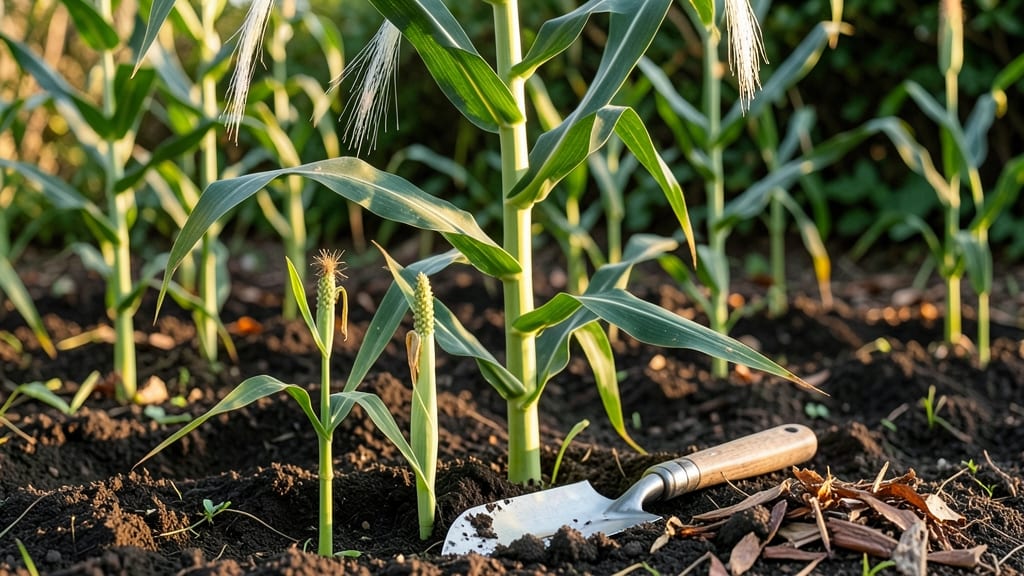
Timing your 🌽 corn planting in Phoenix isn't just about the calendar—it's about beating the heat with soil temperature smarts. While most gardeners focus on air temps, soil warmth is the real game-changer for germination, especially in Zone 9b where summer can fry young plants before they even sprout.
Here's the secret: Plant your corn when soil temps hit 60°F—that's usually February or early March, giving your plants 3-4 months to mature before monsoon season brings unpredictable moisture. Miss this window, and you'll end up with stunted ears or worse, no harvest at all.
But there's more to it than just dates. Phoenix's microclimates mean your neighbor's perfect timing might not work for you. I'll show you how to test soil temps the easy way and adjust your schedule for fast germination—because in this desert climate, speed is everything.
Let's dive into the exact methods that'll have your corn thriving when most gardeners are already sweating through summer shutdown. You'll learn which varieties handle Phoenix heat best and how to stretch your growing season with simple tricks.
Best planting windows for Phoenix corn based on soil temperature
In Phoenix, planting corn isn’t just about avoiding summer’s brutal heat—it’s about catching the perfect soil temperature window for germination. Corn seeds need soil that’s warmed to at least 50°F (10°C) to sprout, but ideal germination happens between 60°F (15°C) and 70°F (21°C).
Phoenix’s desert climate means air temps can be misleading; soil warms slower, especially in shaded areas.
Your best planting window spans from mid-February to early March, when daytime highs hit 75°F (24°C) but nights stay cool. This timing lets corn mature before summer’s 100°F+ (38°C+) heat waves stress plants. Late-winter plantings (January) risk slower growth, while April plantings often fail due to extreme heat.
Here’s how Phoenix’s microclimates affect timing: Low desert areas (like Mesa) can plant 1-2 weeks earlier than higher elevations (Scottsdale), where cooler nights delay soil warming. Always check your specific zone—even a 500-foot elevation change can shift ideal dates by 7-10 days.
For sweet corn varieties, aim for late February plantings to harvest by May, when temps drop slightly. Field corn (like ‘Mira’) can tolerate slightly later starts (early March) but may need shade cloth to survive June’s heat.
Never plant after April 15 unless you’re using heat-tolerant varieties with shade protection.
🌽
| Planting Window | Soil Temp | Air Temp | Variety Fit | Harvest Window |
|---|---|---|---|---|
| Late January | 55-60°F (13-16°C) | 65-75°F (18-24°C) | Early sweet corn (e.g., 'Silver Queen') | Late March - Early April |
| Mid-February | 60-65°F (15-18°C) | 70-80°F (21-27°C) | Sweet corn (e.g., 'Peaches and Cream') | April - Early May |
| Early March | 65-70°F (18-21°C) | 75-85°F (24-29°C) | Field/popcorn (e.g., 'Mira') | May - June (with shade) |
| Late March | 70-75°F (21-24°C) | 85-95°F (29-35°C) | Heat-tolerant varieties only (e.g., 'Temptation') | June (risky; needs shade) |
If you’re planting succeeding generations (like for cornmeal), stagger seeds every 2 weeks from late February to early March. This ensures a continuous harvest before summer heat sets in.
For popcorn, which takes 90-120 days to mature, start seeds in late February to harvest in late May or early June.
One common mistake? Planting based on calendar dates instead of soil temps. In 2023, Phoenix saw unusually cool March soil temps (52°F/11°C) that delayed germination by 10 days for gardeners who planted on schedule. Always test your soil—I’ll show you how in the next section.
For container growing, add 2 weeks to your planting window since pots heat up faster. Use black plastic pots to absorb heat and extend the season by 7-10 days. Just ensure pots have drainage holes to prevent root rot from Phoenix’s intense sun.
🌡️
Best planting windows for Phoenix corn based on soil temperature
In Phoenix, air temperature alone won’t tell you when to plant corn—soil temperature is the real game-changer. Corn seeds need soil that’s at least 50°F (10°C) for germination, but 60°F (15°C) or warmer ensures faster, stronger sprouts.
Since Phoenix’s soil heats up quickly in spring, timing matters more than you’d think.
Your best window is mid-February to early March, when daytime highs hit 75°F (24°C) but nights stay cool. This balance prevents heat stress while avoiding late-season monsoons that can drown young plants. Think of it as a 10-day sprint between ideal soil temps and summer’s relentless sun.
🌱 PRO TIP: Use a soil thermometer to confirm temps before planting. Phoenix’s urban heat islands can make soil 10°F warmer than rural areas—so test where you’ll plant!
| Planting Window | Soil Temp Requirement | Air Temp Range | Corn Type | Risk Level |
|---|---|---|---|---|
| Late January | 50–55°F (10–13°C) | 60–70°F (15–21°C) | Sweet corn | High (slow growth) |
| Mid-February | 55–60°F (13–15°C) | 65–75°F (18–24°C) | Sweet/Field corn | Moderate (ideal) |
| Early March | 60–65°F (15–18°C) | 70–80°F (21–27°C) | Popcorn/Dent corn | Low (fast growth) |
| April+ | 65°F+ (18°C+) | 85°F+ (29°C+) | Any (with shade) | High (heat stress) |
🌡️ SOIL TEMP MATTERS MORE THAN AIR TEMP!
If you plant in late February or March, prioritize shade cloth (30–50%) to protect seedlings from Phoenix’s 100°F+ (38°C+) heat waves. Without shade, corn can bolt (go to seed) prematurely, ruining sweetness.
For field corn or popcorn, heat tolerance is less critical, but yields drop if temps exceed 95°F (35°C) for weeks.
For sweet corn, aim for a 90-day harvest window. Planting in early March means harvesting by early June, just as summer’s worst heat arrives.
If you’re growing dent corn or popcorn, extend planting to late March—these varieties handle heat better and can mature by July or August.
🌿 LOCAL TIP: Check Maricopa County Cooperative Extension for updated soil temp data—Phoenix’s microclimates vary wildly between neighborhoods. A 1-mile difference can mean 5°F soil temp shifts!