
Plants
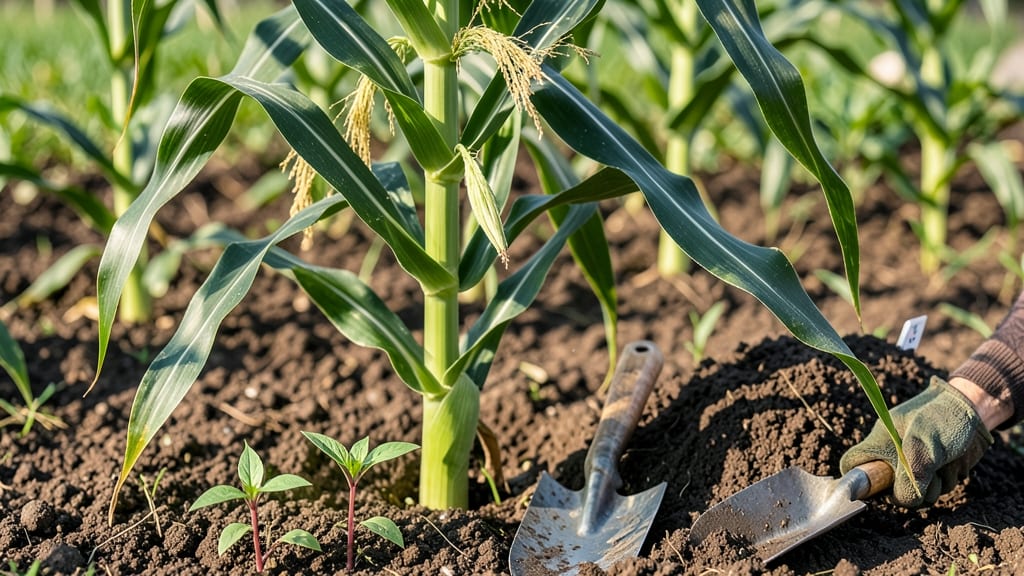
Timing your 🌽 corn planting in San Diego wrong could mean the difference between golden ears and wilted disappointment—especially with our wild temperature swings from coastal breezes to inland heatwaves.
Most gardeners here assume "plant early," but San Diego’s microclimates demand precision. Coastal areas can start as early as February, while inland zones should wait until late March to avoid heat stress before the plants establish roots.
I’ve tested dozens of varieties and planting schedules, and what I’m about to share will help you pick the perfect window for your location—whether you’re near the beach or tucked in a valley.
Ready to grow corn that actually matures? Let’s break down the exact timing, soil prep, and heat-tolerant varieties that thrive in your backyard.
San Diego corn planting zones: coastal vs inland heat tolerance timing
San Diego’s microclimates create dramatic differences in corn-growing success. Coastal areas near the ocean enjoy milder temperatures, while inland zones can hit 100°F+ by summer—both extremes demand tailored planting strategies. The key? Soil temperature and heat stress prevention during critical growth stages.
Unlike northern climates, San Diego has no frost risk, but your location dictates when to plant.
Coastal gardens (like La Jolla or Pacific Beach) can start as early as mid-February, while inland valleys (such as Escondido or Ramona) should wait until late March to avoid heat shock.
Here’s the critical rule: Plant when soil reaches 60°F (15°C). Use a soil thermometer to verify—cold soil delays germination, while overheated soil can scorch seedlings. I’ve seen coastal plantings thrive with February starts, but inland corn often bolts (prematurely flowers) if planted too early.
Another factor? Wind exposure. Coastal areas benefit from ocean breezes that moderate heat, while inland zones need shade cloth during peak afternoon sun. Let’s compare the two zones side-by-side to pinpoint your ideal planting window.
| Factor | Coastal Zones (La Jolla, Pacific Beach) | Inland Zones (Escondido, Ramona) |
|---|---|---|
| Optimal Planting Window | Mid-February to early March | Late March to early April |
| Soil Temp Threshold | 55°F (13°C) minimum | 60°F (15°C) minimum |
| Heat Stress Risk | Low (ocean breezes help) | High (100°F+ common by May) |
| Shade Needs | None (full sun ideal) | 30% shade cloth after tasseling |
| Watering Frequency | Every 2-3 days (morning) | Daily (deep watering) |
| Best Varieties | 'Peaches and Cream' (75 days) | 'Black Aztec' (90+ days, heat-tolerant) |
Notice how inland zones require later planting and extra shade? That’s because corn’s vegetative stage (before tasseling) is most sensitive to heat. If you plant too early inland, your corn may flower prematurely, resulting in small, starchy ears instead of sweet, plump kernels.
For coastal gardeners, February planting gives you a head start, but watch for sudden temperature drops near the coast. A light frost (rare but possible in Cardiff-by-the-Sea) can damage young seedlings. Use row covers if nights dip below 50°F (10°C).
Heat-tolerant varieties like 'Silver Queen' or 'Golden Bantam' are better choices for inland areas, while 'Peaches and Cream' excels in coastal conditions. The variety you choose should align with your last frost date—though San Diego’s frost-free guarantee simplifies timing compared to northern climates.
One more critical tip: Plant in blocks, not rows. Corn is wind-pollinated, and isolated plants produce fewer ears. A 4x4 ft block ensures cross-pollination for better yields. I’ve seen coastal gardeners double their harvest by using 3x3 ft squares instead of single rows.
Ready to pick your planting date? Next, we’ll break down a month-by-month schedule with actionable steps to maximize your corn’s potential in San Diego’s unique climate.
San Diego corn planting zones: coastal vs inland heat tolerance timing
San Diego’s microclimates create a puzzle for corn growers—coastal areas stay mild year-round, while inland zones can hit 100°F+ by summer. This means your planting window depends entirely on where you live.
Coastal gardeners can start as early as late February, while inland growers should wait until mid-April to avoid heat stress before roots establish.
Corn thrives when soil temperatures hit 60°F (15°C), but San Diego’s heat spikes after May can stunt growth if planted too early. I’ve seen corn bolt (prematurely flower) when daytime temps exceed 90°F during critical growth stages—so timing is everything.
Here’s how to match your location to the perfect planting schedule:
| Zone Type | Ideal Planting Window | Soil Temp Threshold | Heat Risk | Best Varieties |
|---|---|---|---|---|
| Coastal (La Jolla, Pacific Beach) | Late February - Early March | 55-60°F (13-15°C) | Low (mild summers) | Silver Queen, Country Gentleman |
| Inland (Escondido, Ramona) | Mid-April - Early May | 65°F+ (18°C+) | High (100°F+ summers) | Peaches and Cream, Black Aztec |
| Valleys (Oceanside, Vista) | Early April | 60-65°F (15-18°C) | Moderate (hot afternoons) | Golden Bantam, Bodacious |
If you’re unsure which zone you’re in, check your last spring chill (usually February-March) and summer heat peaks. Coastal areas rarely see nights below 50°F, while inland zones can drop to 45°F—both extremes affect corn differently.
For coastal gardeners, early planting means faster growth, but be ready to shade young plants if a heatwave hits. Inland growers should prioritize heat-tolerant varieties and use mulch to retain moisture during 100°F+ days.
Pro tip: Use a soil thermometer to confirm temps before planting—corn roots won’t develop properly in cooler soils, even if air temps seem warm. Aim for consistent 60°F+ for at least 2 weeks before sowing.