
Plants
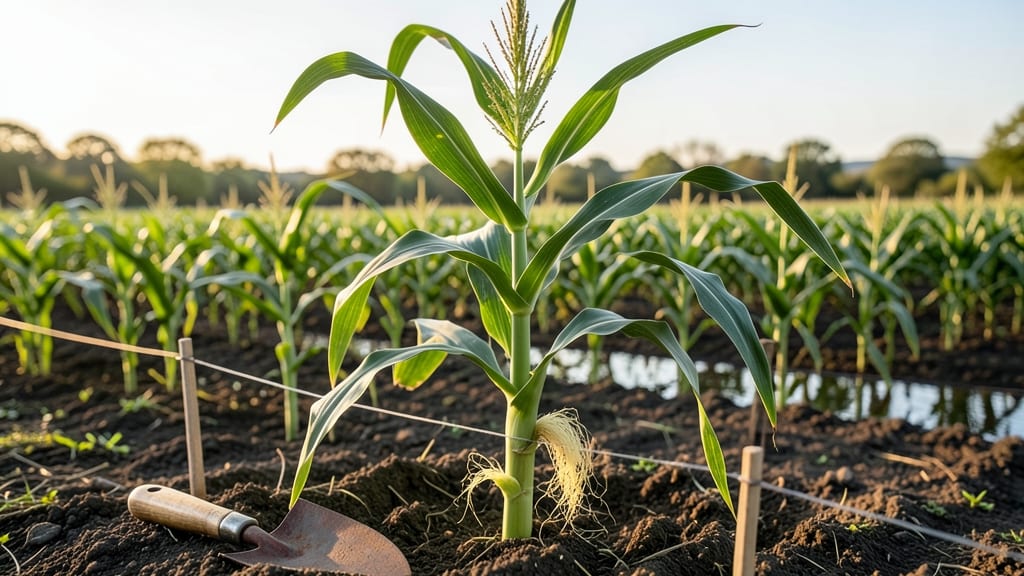
Timing your 🌽 corn planting in Upstate NY could mean the difference between a bountiful harvest and a wasted season—because one late frost can turn your hard work into a sad, shriveled mess.
Upstate’s Zones 5B-6A demand precision, and getting those seeds in the ground just right is the key to avoiding disappointment.
Most gardeners here wait until after the last frost (usually late April to early May), but that’s just the starting point. Soil temperature matters just as much—corn needs at least 50°F to germinate properly, and waiting for that warm-up can save you from stunted plants.
I’ve seen too many gardeners rush it, only to watch their crop struggle.
If you’re planting early varieties, you might start as soon as the soil is workable, but late varieties need more time to mature before the first frost hits in fall.
The goal? A harvest window that stretches from July to October, depending on your variety and microclimate. Let’s break down exactly when to plant for your specific corner of Upstate.
In this guide, I’ll walk you through the exact frost-free timeline for your area, how to adjust for cold snaps, and which corn types thrive best in Upstate’s short but sweet growing season. No more guessing—just proven strategies to grow 🌽 corn that’s tall, sweet, and ready to eat.
Upstate NY corn planting dates by zone 5B-6A (with frost risk charts)
Upstate New York’s Zone 5B-6A climate means corn must be planted at the perfect moment—too early risks frost damage, while late planting cuts harvest time. The ideal window spans late April to early May, but exact timing depends on your specific region and microclimate.
For example, Albany (Zone 6A) typically sees its last frost around April 20-30, while Syracuse (Zone 5B) waits until May 5-15.
Corn seeds need soil temperatures above 50°F to germinate properly, so don’t rush planting just because the air feels warm. A soil thermometer is your best friend here—wait until readings consistently hit 55-60°F at a depth of 2 inches.
In cooler microclimates near lakes or hills, you may need to push planting back by 1-2 weeks to avoid stunted growth.
Here’s a quick rule of thumb: Aim to plant corn 2-3 weeks after your average last frost date. This buffer ensures seedlings aren’t caught off guard by late frosts, which can be devastating.
For instance, if your last frost is May 1, plant around May 15-20. Pro tip: Use black plastic mulch to warm the soil faster if you’re eager to plant earlier.
| Region | Average Last Frost | Ideal Planting Window | Frost Risk After Planting |
|---|---|---|---|
| Albany (Zone 6A) | April 20-30 | May 1-10 | Low (90% frost-free by May 15) |
| Syracuse (Zone 5B) | May 5-15 | May 15-25 | Moderate (80% frost-free by May 25) |
| Buffalo (Zone 6A) | May 1-10 | May 10-20 | Low (95% frost-free by May 20) |
| Adirondacks (Zone 5B) | May 10-20 | May 25-June 5 | High (70% frost-free by June 1) |
If you’re planting early-maturing varieties (like 'Silver Queen', which matures in 70-75 days), you can stretch your window slightly earlier. These varieties are perfect for Upstate NY because they can reach harvest before the first fall frost, which typically hits September 20-October 10.
For example, planting 'Peaches and Cream' (another 75-day variety) on May 10 in Albany should yield ears by mid-July, just in time for summer feasts.
For late varieties (like 'Golden Bantam', which takes 85-90 days), you’ll need to plant by mid-May in Zone 6A or late May in Zone 5B. These are riskier but rewarding if you’re willing to monitor weather forecasts closely.
Always have a backup plan, like row covers, to protect young plants from unexpected late frosts.
One common mistake I see is planting corn too densely in an attempt to "cover more ground." In Upstate NY, space rows 30-36 inches apart and plants 8-12 inches apart in rows.
This spacing ensures proper air circulation, reducing fungal diseases like corn smut or leaf blight, which thrive in humid Upstate summers. Thin seedlings to the strongest 2-3 plants per hill once they’re 6 inches tall.
To track your local frost dates, check the National Weather Service or Cornell Cooperative Extension for your specific county. They provide 30-year averages that account for Upstate NY’s variability.
For example, one year might have frost on May 5, while the next could be frost-free by April 25—plan for the worst-case scenario in your area.
If you’re unsure whether to plant, err on the side of caution. Corn planted too late won’t mature fully, but corn damaged by frost is a total loss. Start seeds indoors in biodegradable pots 2-3 weeks before your target outdoor date if you’re worried about timing.
Transplant seedlings carefully, ensuring the soil is warm and moist to minimize transplant shock.
Remember, Upstate NY’s short growing season is no excuse for poor planning—with the right timing and variety, you can enjoy homegrown corn from July through September. The key is patience and preparation.
Mark your calendar, monitor soil temps, and don’t rush the process. Your future corn cobb salad will thank you! 🌽
How soil temperature and weather affect corn germination in Upstate NY
Corn seeds need warm soil to germinate—cold temperatures slow growth and invite rot. In Upstate NY’s Zone 5B-6A, soil must reach at least 50°F (10°C) for reliable sprouting.
Below this, seeds may rot or fail to emerge, wasting your planting effort. I’ve learned this the hard way after rushing seeds into chilly April soil!
Use a soil thermometer ($10 at garden centers) to check depth—corn roots need warmth 2-3 inches down. Test in the morning when soil is coolest; if it’s below 55°F (13°C), wait. Patience here prevents seed loss and ensures strong starts.
🌱 Pro Tip: Warm the soil faster by covering beds with black plastic mulch 1-2 weeks before planting. This raises soil temps by 5-10°F and speeds germination by 3-5 days—critical for Upstate NY’s short season.
🌡️ Critical Soil Temps for Corn Germination
- 45°F (7°C): Seeds may rot or fail
- 50°F (10°C): Minimum for germination (slow)
- 55°F (13°C): Ideal for fast, even sprouting
- 60°F+ (16°C): Optimal for Upstate NY (plant ASAP)
Test soil temp at 2-3" depth for accuracy.
Upstate NY’s unpredictable spring weather throws off planting timelines. A late frost in May or a cold snap can stall germination. I adjust my schedule by monitoring the National Weather Service’s 5-day forecast and using Almanac frost predictions for my region (Albany/Syracuse/Buffalo vary by 3-5 days).
If your soil hits 55°F but forecasters warn of below-freezing temps, delay planting by 7-10 days. Corn seeds can survive light frost once sprouted (thanks to their protective seed coats), but young seedlings (1-2 inches tall) are vulnerable.
Use row covers if you must plant early in frost-prone areas like the Adirondacks.
🌿 Weather Watch: Avoid planting after heavy rain—waterlogged soil slows germination. Wait until soil dries enough to crumble in your hand. In my Zone 6A garden, this often means shifting from late April to early May.
For maximum success, combine soil warmth with consistent moisture. Water deeply (1 inch per week) after planting to keep soil evenly moist—not soggy. Use a drip irrigation system or soaker hose to avoid disturbing seeds.
In Upstate NY’s dry summers, this step alone can boost germination rates from 70% to 95%.