
Plants
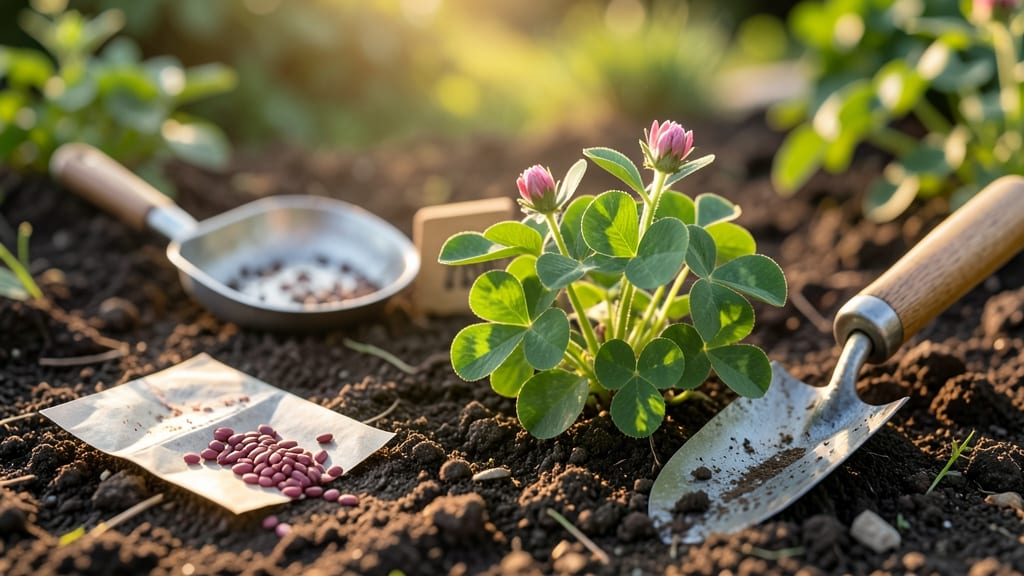
If you're wondering when to plant crimson clover in Texas, timing is the secret to a thriving cover crop that outlasts winter and boosts your soil.
This hardy plant 🌸 thrives when planted in fall, but Texas' diverse climate zones mean one size doesn't fit all—North Texas needs to act sooner than South Texas to beat frost.
Planting too early risks summer heat stress, while waiting too long leaves your soil vulnerable before winter. The ideal window runs from September through November, giving young plants 6-8 weeks to establish roots before cold sets in.
This timing also sets up crimson clover to green up beautifully in winter, providing forage and erosion control when other plants sleep.
Whether you're aiming for pollinator support, winter forage, or soil improvement, getting the timing right is everything. I'll walk you through the exact planting schedule for your specific Texas region, plus soil prep tips and frost protection tricks that actually work in our unpredictable winters.
Let's break down the zone-by-zone planting calendar and ensure your crimson clover gets off to the best possible start—because a little preparation now means a lush, productive cover crop all winter long.
Texas planting zones & ideal dates for crimson clover
Texas’ diverse climate—from North Texas’ chilly winters to South Texas’ mild frost-free zones—means crimson clover planting dates vary dramatically. To succeed, align your schedule with USDA zones 8a–10b and soil temperature thresholds of 60–70°F for germination.
The ideal window is September through November, but timing shifts 1–2 months later in South Texas.
In North Texas (zones 8a–8b), aim for mid-September to early October to beat the first frost (usually November 15).
Here, crimson clover thrives as a winter cover crop, suppressing weeds and fixing nitrogen while dormant grasses rest. Central Texas (zones 8b–9a) gardeners have until mid-November, while South Texas (zones 9b–10b) can plant as late as December—though spring plantings in February–March also work for summer forage.
For precision timing, use a soil thermometer to confirm temperatures hit 60°F at 2-inch depth—crimson clover seeds won’t germinate below 55°F.
In North Texas, this often means waiting until late September even if you’re eager to plant. South Texas gardeners can push boundaries further, but avoid planting after December 15 to prevent winter die-off from unexpected cold snaps.
Pro tip: Overseeding existing lawns? Time your planting to align with cool-season grass dormancy (late fall). Crimson clover’s rapid root growth (6–8 weeks) outcompetes weeds before grasses wake up in spring. No-till drilling at ¼-inch depth ensures consistent contact with warm soil—critical for germination rates above 85%.
Watch for Texas’ microclimates: Hill Country regions (like Fredricksburg) may frost 2 weeks earlier than Austin, while Rio Grande Valley stays frost-free until January.
Adjust your schedule by 10–14 days if you’re in these zones. Elevation matters: Every 1,000 feet up adds 3–5°F colder temps—critical for highland areas like Lubbock or Marfa.
Spring plantings (February–March) are viable in South Texas for summer forage, but avoid this in North Texas—searing summer heat will stress seedlings before they establish. Instead, focus on fall plantings for winter-green cover that persists until April.
Use local frost data from the Texas A&M AgriLife Extension to fine-tune your dates. For example, Dallas (zone 8a) averages its last frost on March 15, while Houston (zone 9a) rarely sees frost.
Planting 6–8 weeks before your area’s first frost ensures a robust stand before winter dormancy sets in.
Remember: Crimson clover’s lifespan is tied to Texas’ freeze-thaw cycles. In North Texas, it may die back in hard freezes but regrows in spring.
In South Texas, it often persists year-round with minimal stress. Adjust your goals: Use it for winter forage in cooler zones or summer pollinator support in warmer areas.
For maximum success, pair your planting date with proper soil prep—we’ll cover that in the next section, including seed rates, frost protection, and irrigation tricks to outsmart
Texas planting zones & ideal dates for crimson clover
Texas stretches across USDA zones 8a–10b, creating dramatic differences in frost timing and growing seasons. For crimson clover 🌸 to thrive, you must align planting with your region’s first frost dates and soil temperatures.
North Texas (zones 8a–8b) faces earlier frosts than South Texas (zones 9a–10b), so adjust your schedule accordingly.
The optimal planting window runs from mid-September to late November, giving seedlings 6–8 weeks to establish roots before winter chill sets in. This timing ensures your cover crop greens up in winter, providing forage, erosion control, and pollinator support when other plants are dormant.
Here’s the breakdown by Texas region to pinpoint your exact planting window:
| Region | USDA Zone | First Frost | Ideal Planting Window | Soil Temp Threshold |
|---|---|---|---|---|
| North Texas | 8a–8b | Nov 15–Dec 1 | Mid-Sept–Oct 15 | 60–70°F |
| Central Texas | 8b–9a | Dec 1–Jan 10 | Late Sept–Nov 1 | 65–75°F |
| South Texas | 9a–10b | Jan 1–Feb 1 | Oct 1–Nov 15 | 70–80°F |
Soil temperature is just as critical as frost dates. Crimson clover seeds germinate best when soil temps drop below 85°F but stay above 60°F. Planting too early in summer heat risks seed dormancy, while waiting too long risks frost damage before roots establish.
For North Texas gardeners, aim to plant by October 15 to avoid early frosts. In South Texas, you have flexibility until mid-November thanks to milder winters. Always check your local frost-free days—a quick online search for your ZIP code will give you precise dates.
Pro tip: Use a soil thermometer to confirm temps before planting. If soil is still above 80°F, wait a week or two to avoid stressing young seedlings.