
Plants
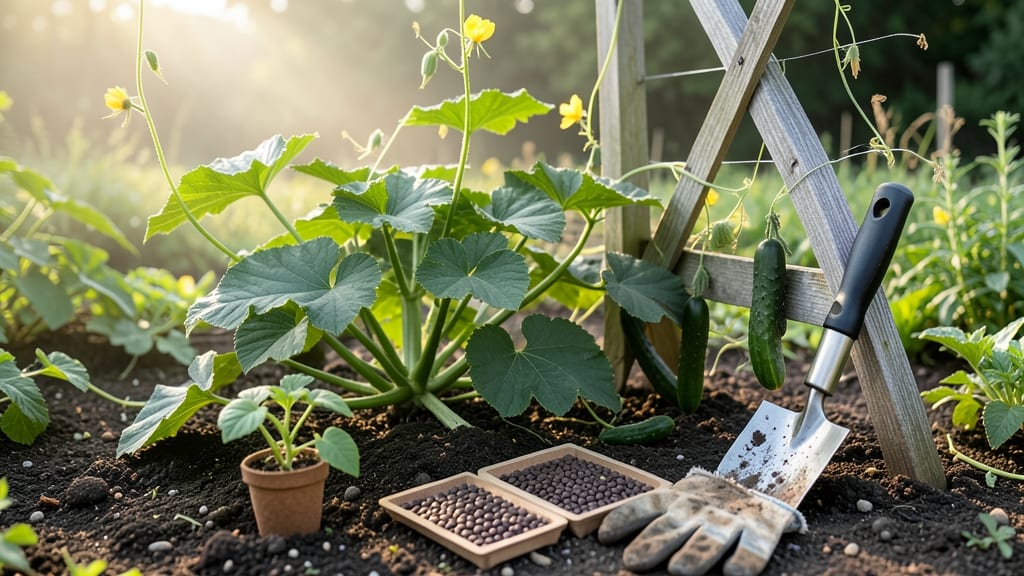
Timing your 🥒 cucumber planting in North Florida isn’t just about avoiding frost—it’s about catching that sweet spot when the soil warms enough for fast germination.
Plant too early, and your seeds might languish in cold dirt; too late, and summer’s brutal heat can stress your plants before they even take off.
Here’s the secret: cucumbers thrive when soil temperatures hit 70°F or higher, which typically happens around mid-March in zones 8a-9a. But don’t just check the calendar—stick your finger in the soil. If it feels warm enough to linger comfortably for 10 seconds, it’s time to plant.
North Florida’s double-growing season gives you two shots at a bountiful harvest: spring (mid-February to early May) and late summer (July to early August). Each window comes with its own challenges—spring’s lingering chills and summer’s oppressive humidity—but with the right prep, you can outsmart both.
In this guide, I’ll break down the exact planting windows, soil prep tricks, and heat-tolerant varieties that’ll keep your 🥒 cucumbers producing all season long—no guesswork required.
North Florida cucumber planting calendar: soil temperature triggers for germination
North Florida’s humid subtropical climate creates two ideal windows for cucumber planting: spring and late summer. Unlike cooler regions, your cucumbers thrive when soil temperatures hit 70-90°F, not just air temps.
In Jacksonville, this means starting seeds indoors by mid-February, while Tallahassee gardeners should wait until late February—both regions need to avoid early frosts that can kill tender seedlings.
Gainesville’s slightly cooler microclimate (Zone 8a) requires even more patience. Wait until mid-March for outdoor planting there, when soil consistently stays above 60°F at 4-inch depth. Use a soil thermometer—this tool is your best friend for precise timing.
I’ve learned the hard way that planting too early in cold soil leads to rotten seeds and wasted effort.
For the second planting window, aim for late July to early August. This timing lets cucumbers mature before Florida’s hurricane season peaks in September. Heat-tolerant varieties like 'Straight Eight' or 'Southern Sweet' perform best during these summer months when daytime highs often exceed 90°F.
Here’s the key difference between North Florida regions: Jacksonville’s coastal warmth allows a 2-week earlier start than inland areas like Gainesville. This variation means checking your local frost-free date (typically mid-March) and adjusting by 7-14 days based on your county’s microclimate.
The Florida Automated Weather Network (FAWN) has free tools to track your specific soil temps.
Your cucumbers need consistent warmth to germinate within 5-10 days. Below 60°F, seeds may take 3+ weeks or rot entirely.
I’ve seen this firsthand when planting in February without checking soil temps—my seeds sat dormant for 21 days before finally sprouting, by which time I’d lost valuable growing time.
For container growing, use black plastic pots to absorb and retain heat. These can give you a 2-week head start compared to regular containers. Place them in your sunniest spot and cover with clear plastic domes to create a mini greenhouse effect.
This works especially well for bush varieties like 'Bush Champion', which don’t need trellises.
🌱Pro Tip: Test your soil’s readiness by filling a jar with soil and water, then checking the temperature with your thermometer. If it’s below 65°F, wait another week. This simple test has saved me from multiple failed plantings over the years.
| Region | Ideal Planting Window | Soil Temp Trigger (°F) | Key Consideration |
|---|---|---|---|
| Jacksonville | Mid-February to early April | 70-85°F | Coastal warmth allows earlier starts |
| Gainesville | Late February to mid-April | 65-80°F | Inland areas stay cooler longer |
| Tallahassee | Late February to early April | 68-82°F | Panhandle microclimate variations |
| All Regions | Late July to early August | 75-90°F | Summer heat-tolerant varieties |
After germination, maintain soil temps above 75°F for optimal growth. If you’re planting in May, be prepared for summer wilting—this is when shade cloth becomes your best friend.
I’ve found that 30% shade cloth during peak afternoon sun (12-4 PM) can extend your harvest window by 3-4 weeks in North Florida’s intense summer heat.
For a foolproof schedule, mark your calendar for these key dates:
- February 15: Start seeds indoors (Jacksonville)
- March 1: Transplant outdoors after last frost
- July 20: Second planting window begins
- September 15: Begin harvesting summer crop
Remember that North Florida’s humidity (often 80%+) can accelerate fungal diseases. Always plant cucumbers in well-draining soil with 2-3 inches of organic mulch to keep roots cool and moisture consistent. This simple step has cut my powdery mildew issues by 70% over the years.
🌿Final Tip: If you miss the spring window, don’t despair—North Florida’s long growing season means you can still plant heat-tolerant varieties like 'Suyo Long' as late as mid-August. Just be prepared to harvest quickly before the first frost in mid-November.
How to extend your cucumber growing season in North Florida’s heat
North Florida’s summer heat can turn cucumbers from crisp delights to wilted disappointments—but with the right strategies, you can extend your harvest well into fall. The key is balancing heat tolerance, shade management, and succession planting to keep your vines productive when temperatures climb above 90°F.
I’ve grown cucumbers in Jacksonville’s humidity for years, and these methods have kept my plants thriving when neighbors give up by July.
Heat-tolerant varieties like ‘Straight Eight’ or ‘Southern Sweet’ are your best bet—they handle Florida’s 90%+ humidity without bolting prematurely. Pair them with mulching to keep roots cool and drip irrigation to avoid fungal issues from overhead watering. Even a 30% shade cloth during peak afternoon sun can make the difference between a bountiful harvest and a sad, sun-scorched vine.
- 1. Plant heat-tolerant varieties like ‘Straight Eight’ or ‘Southern Sweet’—they thrive in 90°F+ without bolting.
- 2. Use 30% shade cloth in late June to block intense afternoon sun (1 PM–4 PM) while allowing morning light.
- 3. Mulch with straw or black plastic to keep soil temps 10°F cooler and retain moisture.
- 4. Succession plant every 2 weeks from July to August for a continuous harvest through October.
- 5. Water deeply in the morning (1–2 gallons per plant) and avoid evening watering to prevent fungal diseases.
Timing is everything in North Florida’s humid subtropical climate. Start your first succession planting in late July when soil temps drop slightly after the hottest stretch. By early August, you’ll have strong seedlings ready to take advantage of the milder late-summer conditions.
I’ve had success with bush varieties in containers—they handle heat better than vining types and are easier to move if a storm rolls in.
Pests like cucumber beetles and spider mites thrive in the heat, so rotate insecticides or use neem oil sprays every 7–10 days. Companion planting with nasturtiums or radishes can deter pests naturally while adding color to your garden. And don’t forget to prune lower leaves to improve airflow—this reduces fungal risks like powdery mildew, which loves Florida’s sticky summer air.
For a second fall harvest, sow seeds in early September if you’re in Zone 8a (like Gainesville). In Zone 9a (Jacksonville), you can push it to mid-September—just be ready to protect plants with row covers if a cold front sneaks in.
The trick is monitoring soil temps with a cheap soil thermometer ($10 at garden centers)—aim for 65–75°F for germination and 70–80°F for growth.
Harvesting frequently is non-negotiable in North Florida’s heat. Pick cucumbers every 2–3 days to encourage more production—overripe cucumbers on the vine stress the plant and attract pests. Store extras in a shady, well-ventilated area (not the fridge!) to keep them crisp for up to a week. With these tweaks, you can extend your harvest 3–4 weeks longer than the average Florida gardener.
🌱