
Plants
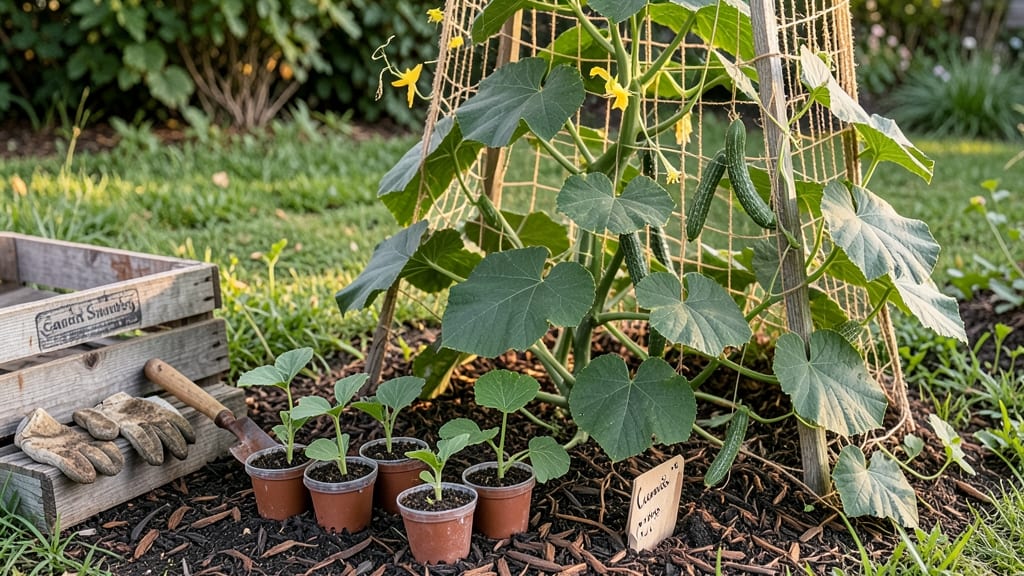
If you’ve ever planted 🥒 cucumbers in Zone 9b only to watch them bolt before producing a single fruit, you’re not alone—and the fix is simpler than you think.
The key isn’t just when you plant, but how you time it with your local microclimate to avoid that frustrating rush to flower.
Here’s the truth: Zone 9b’s mild winters and scorching summers create a narrow window where cucumbers thrive without stress. Plant too early, and you risk cool soil stalling germination. Too late, and the heat sends them into premature flowering.
I’ll show you the exact months to start seeds or transplants for a fast, reliable harvest—plus how to adjust for Phoenix’s desert heat or coastal breezes.
You’ll also discover how to stretch your growing season with shade cloth and companion plants, so you’re not stuck with one shot at cucumbers. Whether you’re a first-time gardener or a veteran with bolting woes, these strategies will turn your Zone 9b garden into a year-round cucumber powerhouse.
Let’s cut to the chase: the best time to plant 🥒 cucumbers in Zone 9b isn’t just about the calendar—it’s about working with your climate’s quirks. Ready to grow cucumbers that actually produce? Here’s how to make it happen.
Optimal planting windows for cucumbers in Zone 9b to avoid bolting
In Zone 9b, cucumbers thrive when planted during two key windows: late winter to early spring and late summer. The secret? Timing soil temperatures to 60°F+—any cooler, and germination stalls. I’ve learned this the hard way after watching seedlings rot in chilly February soils.
Your first planting window opens in February to March, when daytime highs hit 70°F+. This aligns with cucumbers’ love for warmth while avoiding the brutal summer heat that triggers bolting. For example, in Phoenix, I start seeds indoors in mid-February and transplant by late March.
Soil temperature is your #1 guide—not calendar dates. Use a soil thermometer to confirm 60°F+ at 2-inch depth. If it’s cooler, wait. I once planted in early February when soil was 55°F, and my seeds took 3 weeks to sprout—a waste of time.
Your second window arrives in late summer (August-September), targeting a harvest before fall rains. This works best for heat-tolerant varieties like ‘Straight Eight’ or ‘Marketmore’, which handle 90°F+ better than delicate slicing cucumbers. Just be ready to provide afternoon shade with 30-50% shade cloth.
Zone 9b’s microclimates add complexity. Coastal areas (like San Diego) can plant 2 weeks earlier than inland deserts (like Palm Springs). I adjust by watching local weather patterns—if your area gets unusual heatwaves in spring, delay planting until after April 15th.
Here’s the golden rule: Never plant cucumbers when daytime highs exceed 95°F. At those temps, flowers drop off, and you’ll get bitter, seedy fruits. My trick? Use black plastic mulch to warm soil faster in spring, then switch to reflective mulch in summer to cool roots.
Zone 9b Cucumber Planting Timeline
| Planting Window | Soil Temp Requirement | Daytime Highs | Best Varieties | Shade Needs |
|---|---|---|---|---|
| Late Winter (Feb-Mar) | 60°F+ | 70-85°F | ‘Straight Eight’, ‘Lemon Cucumber’ | None (full sun) |
| Late Summer (Aug-Sep) | 65°F+ | 85-95°F | ‘Marketmore’, ‘Poona Kheera’ | 30-50% shade cloth |
🌱 Pro Tip: Test soil temps at 2-inch depth for 3 days before planting—consistency matters more than single-day spikes.
For container growers, timing shifts slightly. Pots heat up faster, so I start mine 2 weeks earlier than in-ground plants. Use 5-gallon containers with well-draining mix and place them in morning sun to avoid afternoon heat stress.
My balcony cucumbers in San Diego get planted by February 1st and thrive until June.
Watch for false starts: Some Zone 9b gardeners rush planting when spring rains arrive, but soggy soil slows germination. Amend clay-heavy soils with compost to improve drainage. I mix in 1 inch of compost and 1 cup of perlite per square foot before planting.
Finally, succession planting every 2 weeks after your first window ensures a continuous harvest. By staggering plantings, you’ll have cucumbers from April through August—no gaps, no wasted effort. My last successful succession ended in early September before the monsoon rains made vines prone to disease.
Optimal planting windows for cucumbers in Zone 9b to avoid bolting
In Zone 9b, the best time to plant cucumbers hinges on two critical factors: soil temperature and heat tolerance. Unlike cooler zones, you won’t worry about frost, but you’ll need to avoid both chilly soil (below 60°F) and peak summer scorching (above 90°F).
My ideal windows? Late winter to early spring (February–March) for the main harvest, and late summer (August–September) for a fall crop—if you’re willing to gamble on heat stress.
Here’s the golden rule: Wait until soil reaches 60°F before planting. In Phoenix, that’s usually mid-February for desert areas, but coastal Zone 9b (like San Diego) can start 2–3 weeks earlier.
Use a soil thermometer—don’t guess! Cold soil stalls germination, while hot soil sends cucumbers into a bolting frenzy before they’ve even set leaves.
🌱 Zone 9b Cucumber Planting Timeline
| Stage | Action | Notes |
|---|---|---|
| Late Winter (Feb) | Start seeds indoors or direct-sow | Soil temp: 60°F+ |
| Early Spring (Mar) | Transplant seedlings outdoors | Avoid frost pockets (rare but possible) |
| Summer (Jun–Jul) | Use shade cloth (30–50%) | Prevents bolting in 100°F+ heat |
| Late Summer (Aug–Sep) | Succession plant for fall harvest | Choose heat-tolerant varieties |
💡 Pro Tip: Morning sun + afternoon shade = perfect balance for summer plantings.
For summer plantings, I recommend shade cloth (30–50%) to keep soil temps below 85°F. Without it, cucumbers bolt within 2–3 weeks of planting. Test your microclimate: If your garden hits 100°F+ regularly, stick to spring or fall plantings.
Varieties like ‘Straight Eight’ handle heat better than ‘Marketmore’, but even they’ll struggle without shade.
Don’t overlook succession planting! In Zone 9b, you can squeeze in two harvests: one in spring and another in fall. Start a second batch in late July for a September–October harvest, just as summer cools.
This works best in coastal areas where nights dip below 80°F—desert gardens may need extra shade.
Finally, avoid planting in May unless you’re in a high-elevation Zone 9b spot (like parts of Arizona). The combination of high soil temps and dry winds creates a perfect storm for bolting.
If you’re set on a summer crop, mulch heavily with straw to retain moisture and water deeply at dawn to cool the roots.