
Plants
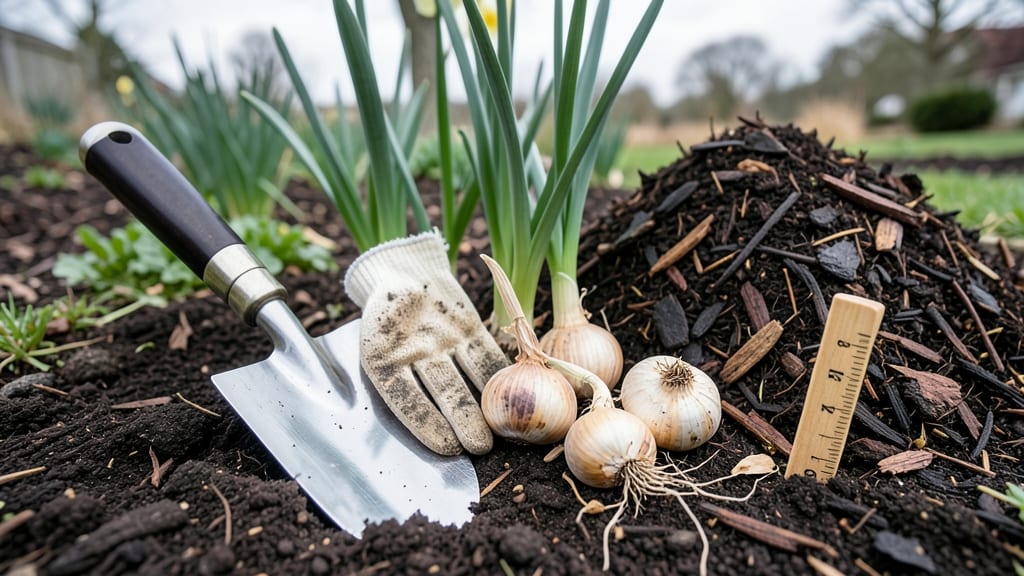
If you've ever wondered why your 🌼 daffodil bulbs in Georgia refuse to bloom like they should, the answer might be as simple as planting them at the wrong time.
Georgia's mild winters and unpredictable frost patterns demand precision—plant too early, and your bulbs rot; too late, and frost stifles their growth before spring.
For gardeners in USDA Zones 7b-8a, timing is everything. The ideal window opens in October and closes by November, when soil temperatures dip to a crisp 60°F and the ground stays workable. This isn't just guesswork—it's about giving your daffodils the perfect head start before winter sets in.
I'll walk you through the exact steps to nail this window, from checking soil readiness to adjusting for Georgia's regional differences. Whether you're in North Georgia's cooler microclimates or South Georgia's warmer stretches, you'll learn how to plant for zero-frost success and vibrant blooms by late winter.
Ready to transform your garden? Let's dive into the science and practical tips that will have your daffodils thriving when others falter.
Best planting months for Georgia daffodils: exact dates by region
Georgia’s USDA Zones 7b-8a create a unique challenge for daffodil planting—too early, and summer heat stresses bulbs; too late, and winter frost halts growth.
The ideal window spans from mid-October to early December, but exact timing depends on whether you’re in North Georgia (Zone 7b) or South Georgia (Zone 8a). I’ll break down the precise months, soil temperature thresholds, and regional adjustments to ensure your daffodils bloom like clockwork next spring.
For North Georgia (Zone 7b), where winters are colder and frosts arrive earlier, aim to plant between October 15 and November 15. This gives bulbs 6-8 weeks to establish roots before the ground freezes—typically around mid-to-late November.
In South Georgia (Zone 8a), where milder winters delay frost until December, you have a slightly longer window: October 1 to December 1. However, planting after November 15 risks bulbs sprouting too early and getting nipped by unexpected cold snaps.
Here’s the golden rule: Plant when soil temperatures drop below 60°F (15°C) but before the first hard frost. Use a soil thermometer to check—this is your best indicator that conditions are safe.
In Georgia, soil temps typically hit this threshold in late October to early November, but microclimates matter. Shady spots or high-elevation areas cool faster, so adjust accordingly.
Missed the window? Don’t panic. You can plant as late as early December in Zone 8a, but cover bulbs with 2-3 inches of mulch to insulate them. In Zone 7b, late plantings are riskier—stick to the October-November deadline for reliable blooms.
Pro tip: Stagger your planting by 2-3 weeks to extend your spring display, since early varieties (like ‘February Gold’) and late varieties (like ‘Ice Follies’) have different timing needs.
| Region | USDA Zone | Ideal Planting Window | Soil Temp Threshold | First Frost Risk |
|---|---|---|---|---|
| North Georgia | 7b | Oct 15 – Nov 15 | Below 60°F (15°C) | Mid-November |
| South Georgia | 8a | Oct 1 – Dec 1 | Below 60°F (15°C) | Mid-December |
| High-Elevation Areas | 7b | Oct 1 – Nov 1 | Below 55°F (13°C) | Late October |
🌱 Adjust for early/late winters by checking local frost dates annually.
Georgia’s unpredictable weather means you can’t rely solely on calendars. Pay attention to local frost alerts from sources like the National Weather Service or your local Cooperative Extension office.
For example, Atlanta (Zone 7b) often sees its first frost in early November, while Savannah (Zone 8a) might not freeze until December. Use these dates as your hard deadline—plant at least 4-6 weeks before to give roots time to anchor.
Another pro move? Plant in clusters rather than rows. Daffodils release a natural toxin (lycorine) that deters squirrels and deer, but grouping 5-7 bulbs together also creates a more dramatic display. Space them 4-6 inches apart and plant them 6 inches deep (or twice the bulb’s height) for optimal growth.
This depth protects them from temperature swings and rodent munching, two major threats in Georgia’s climate.
If you’re in a warmer microclimate (like near the coast or in a urban heat island), consider shading bulbs slightly with a light mulch layer to prevent premature sprouting.
Conversely, in colder pockets (like the Appalachian foothills), add an extra inch of mulch after planting to insulate against freeze-thaw cycles. These tweaks make all the difference in Georgia’s variable climate.
Finally, avoid planting in soggy soil—Georgia’s winter rains can turn beds into mud pits. If your soil feels damp, wait 1-2 weeks or amend it with compost or sand to improve drainage. Well-drained soil is non-negotiable for daffodils, as bulbs rot quickly in <
How to tell when Georgia’s soil is ready for daffodil bulbs
Testing your soil readiness is the secret to daffodil bulb success in Georgia. The key moment arrives when soil temperatures drop below 60°F—this signals summer’s lingering heat has faded, and your bulbs won’t overheat.
I’ve learned the hard way that rushing too early leads to mushy, rotting bulbs, while waiting too long risks frost damage before roots establish.
Start by checking soil temperature with a soil thermometer—dig it 4-6 inches deep where you’ll plant. Aim for 55-60°F consistently for 3-5 days. In North Georgia (Zone 7b), this typically happens in mid-October, while South Georgia (Zone 8a) may wait until late October.
Pro tip: Morning is best for testing—soil cools overnight and gives you the most accurate reading.
Next, assess moisture levels by grabbing a handful of soil. It should crumble easily when dry but not feel soggy. Waterlogged soil is a daffodil’s worst enemy—it causes bulb rot before they even sprout.
If your soil feels damp, wait another week or choose a raised bed for better drainage. Georgia’s clay-heavy soils often need amending with compost or sand to improve aeration.
🌱Don’t skip the frost watch—use your local National Weather Service alerts or a frost calendar to track the first expected frost. Plant your bulbs 4-6 weeks before this date to give roots time to anchor.
In most of Georgia, this means planting by late November at the latest, though early frosts in the mountains may push this earlier.
Prepare your planting beds by removing weeds and loosening soil to a depth of 8-10 inches. Mix in 2-3 inches of compost to enrich the soil without adding too much nitrogen, which can encourage foliar growth at the bulbs’ expense.
For heavy clay soils, add coarse sand or perlite to improve drainage. Work these amendments in 2-3 weeks before planting to let them settle.
Finally, choose a sunny location—daffodils need 6+ hours of direct sunlight daily to bloom their best. While they’ll tolerate partial shade, vibrant flowers require full sun.
In Georgia’s humid climate, ensure good air circulation around your planting area to prevent fungal diseases like basal rot, which thrives in damp, shaded spots.
Once your soil passes these tests, you’re ready to plant! Dig holes 3 times deeper than your bulb is tall (typically 6-8 inches deep) and space them 4-6 inches apart for a lush display.
Water thoroughly after planting to settle the soil around the bulbs—this kickstarts root growth before winter sets in. 🌿