
Plants
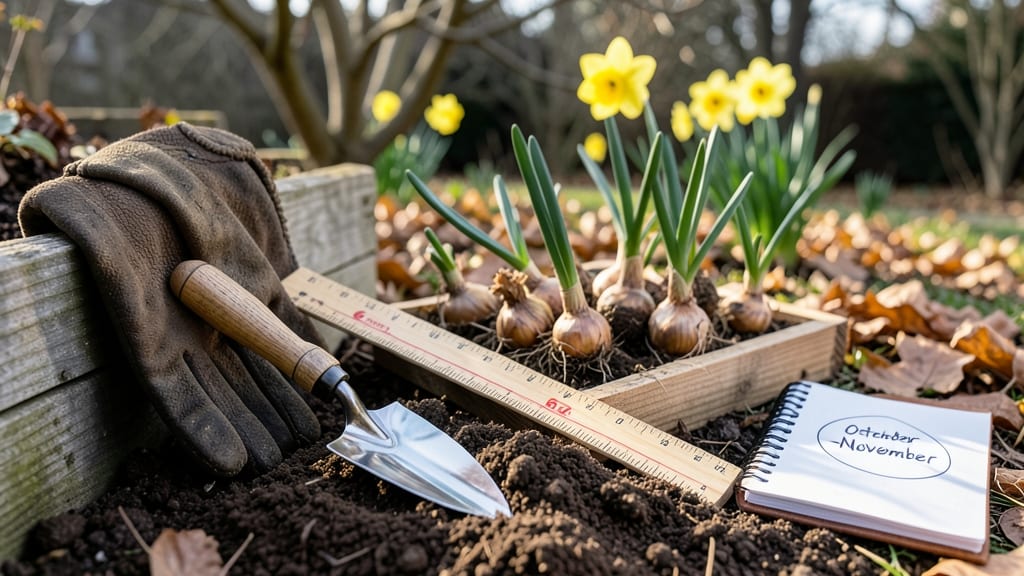
Planting daffodils in Massachusetts isn't just about dropping bulbs in the ground—it's about timing them perfectly to beat frost and ensure those cheerful 🌼 blooms return year after year. If you've ever watched your neighbors' gardens burst into color while yours stays bare, you know how critical this window is.
In Zone 6a, the magic happens between October and November, when soil temperatures drop but frost hasn't yet claimed the season. This 6-8 week window before the ground freezes is your golden opportunity to give those bulbs the root-start they need without risking winter damage.
I'll break down exactly when to plant based on your specific corner of Massachusetts—whether you're in Boston's coastal chill or the slightly warmer valleys of Western MA—so you can avoid common mistakes that leave gardeners scratching their heads in spring.
From soil prep to post-planting care, you'll learn the 3 key steps that make all the difference between a patch of daffodils and a full-blown spring display. Let's get those bulbs in the ground the right way.
Massachusetts daffodil planting zones & exact month-by-month dates
Timing your daffodil planting in Massachusetts depends on USDA zones 5a-6b and your specific region.
Most of the state falls in zone 6a, but coastal areas like Cape Cod are slightly milder (zone 7a), while Western MA (like Springfield) leans toward zone 5b. These differences mean your ideal planting window varies by just a few weeks.
Daffodils need 6-8 weeks before the ground freezes to establish roots. In zone 6a, this typically means planting between mid-September and mid-October. Coastal gardeners can push planting to late October or early November, while Western MA gardeners should aim for early to mid-October to avoid early frost.
Soil temperature is your best guide—aim for 50-60°F. Use a soil thermometer or check local frost forecasts from the National Weather Service. For example, Boston usually hits this window by early October, while Worcester may wait until mid-October.
Here’s a quick breakdown of Massachusetts planting zones and their ideal windows:
| Zone | Region | Ideal Planting Window | Soil Temp Goal |
|---|---|---|---|
| 5b | Western MA (Springfield, Pittsfield) | Mid-September to mid-October | 50-60°F |
| 6a | Central/Eastern MA (Boston, Worcester) | Late September to early October | 50-60°F |
| 7a | Coastal MA (Cape Cod, Providence) | October to early November | 50-60°F |
If you miss the ideal window, don’t panic. You can plant as late as December in zone 6a, but expect smaller blooms the first year. For late plantings, store bulbs in a cool, dark place (like a garage) until you’re ready to plant.
Just avoid planting after the ground freezes—daffodils won’t survive if roots can’t establish.
Pro tip: Stagger your planting by 2-3 weeks for a longer bloom season. Plant 1/3 of your bulbs in September, another 1/3 in October, and the final 1/3 in November. This ensures some daffodils bloom early, while others follow suit for 6-8 weeks of color.
For container gardening, follow the same timing but use a well-draining potting mix. Containers freeze faster, so move pots to a protected spot (like against a wall) if early frost threatens. Mulch heavily with straw or leaves to insulate roots.
Always plant bulbs 6 inches deep and 6 inches apart for optimal growth. In heavy clay soil (common in MA), mix in compost or sand to improve drainage. Poor drainage is the #1 reason daffodils rot in Massachusetts gardens.
Check your local frost dates annually—they shift slightly each year. The Old Farmer’s Almanac or Massachusetts State Climatologist are reliable resources. With the right timing, your daffodils will reward you with bold blooms by April, brightening up even the grayest New England springs.
5 Critical signs your Massachusetts daffodil planting timing is perfect (or terrible)
Planting daffodils at the right time in Massachusetts isn’t just about checking a calendar—it’s about reading your garden’s signals. The soil temperature must be between 50-60°F for roots to establish before winter.
Use a soil thermometer ($10 at garden centers) to confirm—planting when temps dip below 50°F risks rot, while waiting too long risks bulbs sprouting before frost.
Another key indicator is the moon phase. Many gardeners swear by planting bulbs during the waning moon (just after full moon) to encourage root growth downward. Check a lunar calendar for your region—Massachusetts’ coastal areas (like Cape Cod) may align slightly differently than inland zones like Western MA.
Listen to local frost forecasts too. The National Weather Service or apps like Frost Alert can warn you 3-5 days ahead of an unexpected early frost. If a hard freeze (below 28°F) is predicted, delay planting until soil temps stabilize again.
Even hardy daffodils can suffer if exposed to frost too soon.
🌱
If you’re unsure about your microclimate, try this quick test: Dig a small hole in your garden, fill it with water, and check the temperature after 30 minutes. If it’s below 50°F, wait a few days.
For Boston gardeners, aim for late September to early October, while Western MA (like Springfield) can plant slightly later due to cooler nights.
Finally, inspect your bulbs before planting. Healthy daffodil bulbs should feel firm and plump, not soft or shriveled. If they’ve sprouted, plant them immediately—they’re more vulnerable to frost damage. Store any extras in a cool, dark place (like a garage) until conditions improve.
Pro tip: Mark your planting spots with biodegradable flags so you don’t accidentally dig them up in spring! A little prep now means bold blooms next April with zero guesswork. 🌷