
Plants
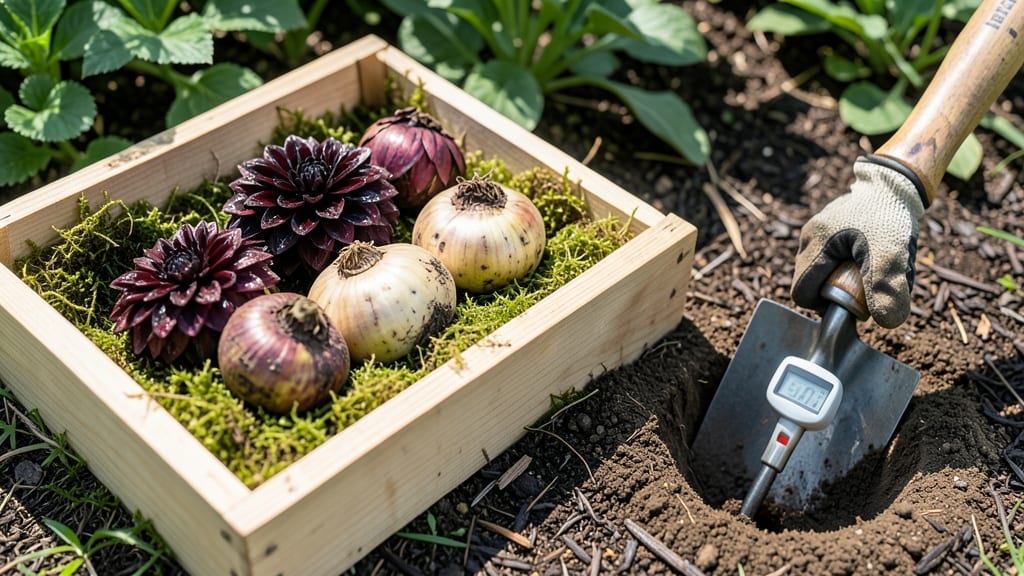
Timing your dahlia planting in Kansas can mean the difference between a garden bursting with 🌸 blooms and a season of disappointment. With Kansas' unpredictable spring frosts—especially in Zone 5b-7a—getting those tubers in the ground too soon risks frost damage, while planting too late cuts your bloom season short.
Most Kansas gardeners wait until mid-to-late April, after the last frost date (typically around April 15), but soil temperature matters just as much as calendar dates.
Cold soil slows root growth, so aim for 60°F or warmer—a simple soil thermometer check makes all the difference in ensuring your dahlias take off strong.
In this guide, I’ll break down the exact window for planting in Kansas—from Wichita to Kansas City—plus pro tips for extending your season. Whether you’re a first-time dahlia grower or a veteran gardener, these insights will help you avoid common mistakes and maximize your summer-long blooms.
Ready to transform your garden? Let’s dive into the perfect timing and prep work to make your dahlias thrive from July through October—without the guesswork.
Kansas dahlia planting timeline: exact dates for Zone 6-7
Kansas’ Zone 6-7 climate means dahlias thrive when planted after the last spring frost, but timing varies across cities. In Wichita and Topeka, average last frost dates fall around April 15-20, while Kansas City typically sees frost-free conditions by April 25.
Planting 4-6 weeks after frost (early to mid-May) ensures tubers warm up safely in 60°F+ soil—critical for root establishment.
Miss the window? Don’t panic—late May plantings still yield blooms, though you’ll sacrifice early-season flowers. The key is soil temperature, not just calendar dates.
Use a soil thermometer ($10 at garden centers) to confirm 60°F+ before planting. Cold soil delays growth, leaving dahlias vulnerable to late frosts or powdery mildew.
First frost in Kansas usually hits October 15-20, but hardy varieties (like ‘Café au Lait’) can survive until November 1 with protection. Plan to dig and store tubers before the first 28°F night, or mulch heavily with straw or leaves to extend the season.
🌱 Kansas Dahlia Planting Summary
| Stage | Action | Notes |
|---|---|---|
| Prep Tubers | Soak in fungecide (10 min) | Prevents rot in damp Kansas soil |
| Plant Window | April 25–May 15 | Soil 60°F+; after last frost |
| Depth | 6" deep, eyes up | Prevents heaving in freeze-thaw cycles |
| Spacing | 18–24" apart | Dwarf varieties: 12" |
| First Frost | Dig tubers by Oct 15 | Store in cool, dry place (40°F) |
For city-specific guidance, check the Kansas State University Extension frost maps—Wichita’s Zone 6b has a shorter window than Zone 7a in Kansas City. Pro tip: Mark your calendar for the average last frost date in your area, then add 4-6 weeks to your planting date.
Use row covers if planting early to shield from late frosts (common in May).
Kansas’ humid summers demand well-draining soil. Amend clay-heavy areas with compost or sand to prevent root rot. Test soil pH (ideal: 6.5–7.0)—dahlias hate acidic soil, which is common in Kansas’ limestone-rich regions. Adjust with pelletized lime if needed.
Late plantings? Try container growing—pots warm up faster than soil. Place containers near south-facing walls to absorb heat during the day. Just ensure pots have drainage holes and use lightweight potting mix to avoid cracking in Kansas’ heatwaves.
Remember: Dahlias are hungry! Feed with a balanced fertilizer (5-10-10) every 4-6 weeks once blooms appear. In Kansas’ high heat, water deeply in the morning to prevent wilting and fungal diseases. Mulch with straw or wood chips to retain moisture and regulate soil temperature.
Track your progress with a gardening journal. Note when your dahlias first bloom—this helps adjust future planting times. In Kansas, early May plantings often bloom by July 4th, while late May plantings may not peak until Labor Day. Plan your garden layout accordingly!
Need backup? Order pre-sprouted tubers from nurseries like Baker Creek Heirloom Seeds—they’re already 6-8 weeks ahead of your planting window. Just plant them shallowly (2–3 inches deep) to avoid disturbing roots.
How to extend your Kansas dahlia season: prepping for early/late planting
Kansas’ unpredictable spring frosts can cut your dahlia season short, but with the right strategies, you can push those 🌸 blooms earlier or later. I’ve tested these methods in my own garden—some work better than others, but they’ll give you more flexibility than sticking to the standard window.
For early planting, start tubers indoors 6-8 weeks before your last frost date (around mid-March for most of Kansas). Use a sunny windowsill or grow lights to keep them growing until soil warms.
This gives you a head start on the season, but be ready to protect young plants with row covers if frost sneaks in.
Here’s the key: Soil temperature matters more than calendar dates. Even if April rolls around, cold soil can stall growth. Use a simple soil thermometer—aim for 60°F+ before planting. If it’s colder, wait or use black plastic mulch to warm the soil faster.
| Method | When to Use | Pros | Cons |
|---|---|---|---|
| Start tubers indoors | March (6-8 weeks before last frost) | Earlier blooms, longer season | Requires grow lights, transplant shock risk |
| Row covers | April (after last frost risk) | Protects from late frosts, easy to remove | Can overheat plants in summer |
| Cold frames | Late March (soil >50°F) | Extends season both early/late, reusable | Expensive setup, requires monitoring |
| Black plastic mulch | April (after frost risk passes) | Warms soil faster, suppresses weeds | Can dry out soil quickly |
For late planting, focus on fall planting for overwintering. In Kansas, you can plant tubers in late September to early October—they’ll establish roots before the ground freezes. Mulch heavily with straw or leaves (6+ inches) to insulate them through winter.
In spring, remove mulch in March and watch for shoots—these plants often bloom 2-3 weeks earlier than spring-planted ones!
Don’t forget: Dahlia tubers are perennials in Kansas if protected properly. With the right prep, you can enjoy 🌸 blooms from July to October—or even longer with strategic planning. The key is balancing soil warmth, frost protection, and root establishment.
Pro tip: Keep a garden journal to track your local frost dates and soil temps. Over time, you’ll refine your timing for perfect dahlias every year—no guesswork required!