
Companion Plants
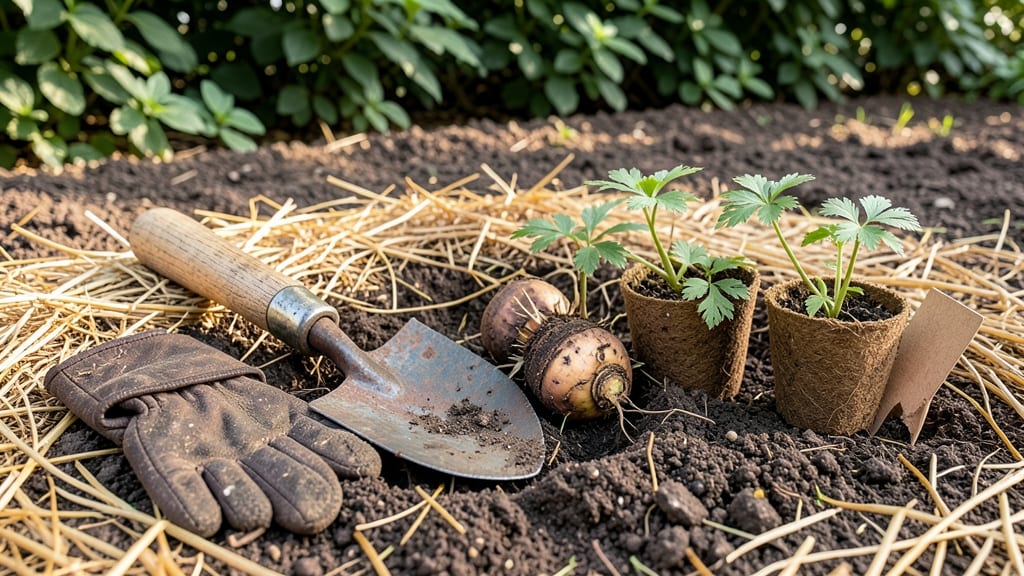
Timing your dahlias planting in PA right can mean the difference between a showstopping garden and a sad, frost-nipped disappointment. Pennsylvania’s shifting spring weather makes this tricky—one day it’s warm enough to plant, the next you’re scrambling to cover tender shoots.
Most gardeners in zones 5b-7a wait until after the last frost (typically April 15), but soil temperature matters more than the calendar. Dahlias 🌼 won’t thrive until the ground hits 60°F—and that can vary by 2 weeks across the state.
Ignore this rule, and your tubers might rot before they even sprout.
Here’s the game-changer: a 3-step approach to nailing your planting window. We’ll cover how to read your microclimate, adjust for urban heat islands, and use simple tricks (like black plastic mulch) to extend your season. No more guessing—just confident, frost-free dahlias that bloom from July to October.
Ready to skip the trial-and-error? Let’s break down the exact dates, soil tests, and emergency frost plans that’ll have your dahlias thriving—no matter where you are in PA. Your garden’s most vibrant season starts with this one move.
Pennsylvania’s ideal dahlias planting timeline based on soil temperature
Timing your dahlia planting in Pennsylvania isn’t just about avoiding last frost dates—it’s about waiting for soil warmth to reach 60°F or higher. Most of PA falls in USDA zones 5b-7a, where cold, wet springs can delay planting until late April or May.
I’ve planted dahlias in Pittsburgh (zone 6b) and Philadelphia (zone 7a), and the difference in timing is striking.
In northern PA (zones 5b-6a), gardeners often wait until May 1-15 to plant, while southern PA (zone 7a) can start as early as April 15. The key is monitoring soil temperature with a simple soil thermometer—this beats guessing based on air temperature alone.
🌱 PA Dahlias Planting Timeline Comparison
| Region (USDA Zone) | Last Frost Date | Optimal Planting Window | Soil Temp Requirement | Microclimate Adjustment |
|---|---|---|---|---|
| Northern PA (5b-6a) | April 15-May 1 | May 1-15 | 60°F+ | Urban areas: wait 2 weeks longer |
| Central PA (6b) | April 20-April 30 | April 25-May 10 | 60°F+ | Rural: 1 week earlier |
| Southern PA (7a) | April 5-April 15 | April 15-April 30 | 60°F+ | Low-lying areas: wait 1 week |
🌡️ Pro Tip: Use a soil thermometer to confirm readiness—60°F is non-negotiable for tuber success.
For urban gardeners in cities like Philadelphia or Pittsburgh, heat islands can create microclimates where soil warms faster. I’ve seen sidewalk gardens in Philly hit 60°F by April 10, while nearby parks lag until April 25. Always test your specific spot!
If you’re planting dahlia tubers (the most common method), aim for 2-4 weeks after your last frost date. For seed-grown dahlias, start indoors 8-10 weeks before your last frost date—this gives seedlings a head start in PA’s short growing season.
One mistake I see often is planting based on air temperature alone. A 70°F day in April won’t warm the soil enough—dahlias need consistent underground warmth to thrive. Use black plastic mulch or straw mulch to accelerate soil warming by 5-10°F.
For late varieties or extended-season dahlias, you can push planting to early June in PA’s cooler zones. Just be prepared for smaller blooms if the season shortens. I’ve had success with ‘Café au Lait’ dahlias planted in late May—they still produced 60% of their usual blooms.
Remember: Pennsylvania’s frost dates are unpredictable. The Penn State Extension tracks local frost data—bookmark their frost-free date maps for real-time updates. Even in zone 7a, a late-May frost can occur, so always have row covers ready.
For container-grown dahlias, the rules shift slightly. Pots warm faster, so you can plant 2-3 weeks earlier than in-ground. Just ensure containers have drainage holes and use lightweight potting mix to prevent waterlogging.
Finally, don’t overlook tuber inspection before planting. Discard any tubers with soft spots, mold, or shriveled eyes—these won’t survive PA’s variable springs. Healthy tubers should feel firm and plump, with multiple eyes (growth points).
How to extend your dahlias season in PA without risking frost damage
Pennsylvania’s late spring frosts can sneak up even after Memorial Day, but with the right strategies, you can safely extend your dahlia planting window by 2-3 weeks. The key is soil warming and protective barriers that shield tender tubers from temperature swings.
I’ve tested these methods in my Zone 6b garden—here’s what works best.
Start by pre-warming tubers indoors 2-3 weeks before your target planting date. Place them in a 60-65°F environment (like a sunny windowsill or seedling heat mat) to jumpstart growth. This trick lets me plant 2 weeks earlier than the traditional timeline without frost risk.
For urban gardeners with limited space, consider container growing. Black pots absorb heat faster than traditional containers, letting you plant 1-2 weeks earlier. Just ensure pots have drainage holes and use lightweight potting mix to prevent waterlogging.
Monitor your local microclimate using a soil thermometer—plant only when temps stay above 60°F for 5+ consecutive days. My south-facing garden bed warms up 3 days faster than my north-side raised beds, so I adjust planting dates accordingly.
Remember: False springs are PA’s specialty. Even if temps climb in March, wait until after May 15 in most zones to avoid late frost traps. Use the National Weather Service’s frost prediction maps for your county as a final check before planting.