
Plants
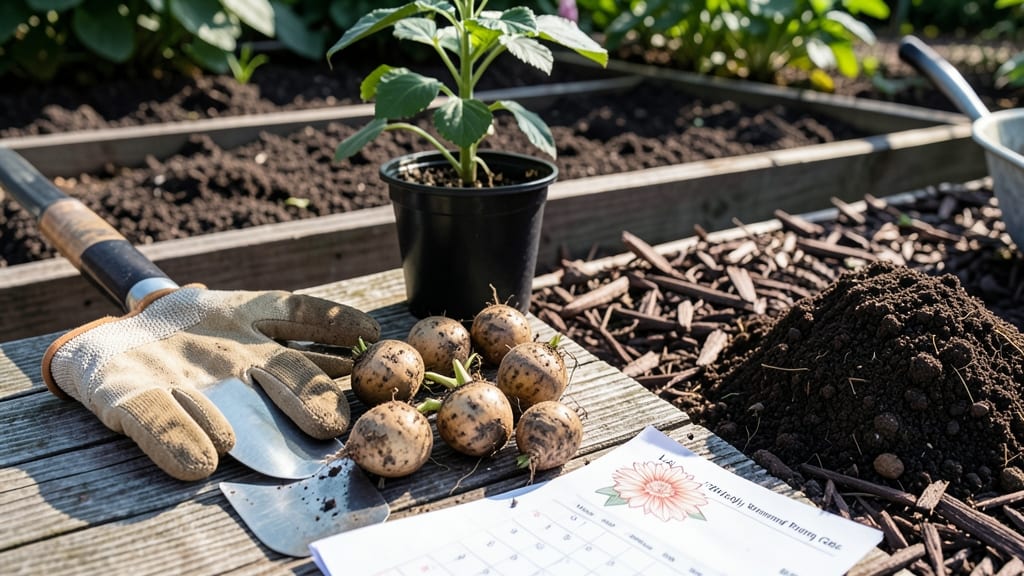
Timing your dahlias planting in Rhode Island can mean the difference between a showstopping summer garden and a sad, frost-nipped disappointment. With Zone 6b frost dates that shift yearly, knowing exactly when to pop those tubers in the ground is the key to vibrant blooms from July to October.
Most gardeners here wait until mid to late May after the last frost—usually around April 15—but soil temperature matters just as much. Cold soil slows root growth, so aim for 60°F or warmer before you dig.
Even a few degrees off can delay blooms or leave your dahlias vulnerable to late spring chills.
What if you're eager to get started? I’ll show you how to prep your soil, choose the right varieties, and even extend your planting window with smart mulching techniques.
Whether you're a first-time grower or a seasoned pro, these tips will help you avoid common mistakes and maximize your 🌸 dahlias' full potential.
Ready to transform your garden? Let’s break down the exact steps to plant your dahlias at the perfect moment—so you can enjoy those stunning blooms all summer long without the guesswork.
Rhode Island dahlias planting timeline by frost dates (Zone 6b-7a)
Rhode Island’s Zone 6b-7a climate means dahlias thrive only after the last frost—typically mid-to-late May. The Ocean State’s coastal areas (like Newport) often see frost 1-2 weeks later than inland spots (Providence, Woonsocket), so adjust your timeline accordingly.
According to USDA frost data, the average last frost date falls between April 15 and May 1, but wait until May 10-20 to plant tubers for safety.
Dahlias are tender perennials that cannot tolerate frost. Even a light freeze will kill tubers or young shoots. For Rhode Island gardeners, this means soil temperature must reach at least 60°F before planting. Use a soil thermometer to confirm—cool, damp soil delays growth and invites rot.
Here’s the critical planting window broken down by Rhode Island’s microclimates:
| Zone & Location | Last Frost Date | Ideal Planting Window | Soil Temp Requirement | Risk if Planted Early |
|---|---|---|---|---|
| Zone 6b (Inland: Providence, Woonsocket) | April 15–April 30 | May 10–May 20 | 60°F+ | Frost damage to tubers |
| Zone 7a (Coastal: Newport, Block Island) | May 1–May 10 | May 15–May 30 | 60°F+ | Delayed growth, rot risk |
| All Zones (Transplants) | N/A (Start indoors) | April 1–April 15 (indoors) | 65°F+ (indoor soil) | Leggy seedlings if overcrowded |
For Rhode Island gardeners, transplants give you a 2-week head start. Start tubers indoors 4-6 weeks before your last frost date (around April 1 for most areas). Use well-draining pots and a grow light to prevent leggy growth. Harden off seedlings 1 week before transplanting outdoors.
If you’re planting bare-root tubers directly, soak them overnight in lukewarm water to rehydrate. Cut any rotten or mushy areas with a sterilized knife and dust cuts with cinnamon powder (a natural fungicide). Plant tubers 4-6 inches deep, with the neck (eye) facing upward.
Pro tip: Mulch heavily after planting with straw or shredded leaves to retain soil warmth and suppress weeds. This is especially critical in Rhode Island’s cooler coastal areas, where soil stays cold longer.
Monitor your dahlias closely for early signs of stress, like yellowing leaves or wilting, which can signal overwatering or poor drainage.
Missed the window? Don’t panic. Late May plantings can still succeed if you use row covers or choose compact varieties like ‘Café au Lait’ or ‘Bishop.’ These shorter dahlias (18–24 inches) mature faster and bloom earlier than tall varieties. Just be prepared for smaller flowers and shorter stems.
Remember: Dahlias need 60–90 days to reach full bloom. Planting too late means fewer flowers before frost. In Rhode Island, aim to plant by June 1 at the latest—after that, you’ll likely miss the peak summer bloom season.
🌸
5 Critical factors that determine dahlias' planting success in Rhode Island
Beyond just planting dates, Rhode Island’s unique climate—from coastal breezes to inland heat islands—means your dahlias' success depends on five key factors. Ignore these, and even perfect timing won’t guarantee blooms. Let’s break down what truly matters for your garden’s 🌸 dahlias to thrive.
First, soil temperature is non-negotiable. Dahlias refuse to grow in cold soil, so always wait until your garden reaches 60°F (15°C) at least 6 inches deep. Use a soil thermometer—don’t guess! Coastal areas like Narragansett Bay may warm faster than inland spots near Providence, so adjust your planting window accordingly.
Tuber condition is the second game-changer. Before planting, inspect your tubers for soft spots or mold—discard any that look questionable. Soak healthy tubers in lukewarm water for 12 hours to encourage root growth, then let them dry slightly before planting. Pro tip: Cut larger tubers into sections with at least one eye per piece.
🌱 Critical Factors for Dahlias in Rhode Island
- 1. Soil Temperature: Wait for 60°F+ at 6" depth
- 2. Tuber Health: Discard moldy tubers, soak healthy ones
- 3. Microclimates: Coastal areas plant 1-2 weeks earlier than inland
- 4. Companion Plants: Marigolds deter pests, basil boosts growth
- 5. Mulching: Extends season by 2-3 weeks with straw or leaves
Third, microclimates in Rhode Island create a false sense of security. While the USDA zone map says 6b-7a, your garden might behave differently. Coastal areas like Block Island experience milder winters and earlier springs, while inland spots near Woonsocket can linger colder.
Plant coastal dahlias 1-2 weeks earlier than inland varieties to account for these differences.
Don’t overlook companion plants—they can extend your planting window by repelling pests or improving soil. Pair dahlias with marigolds to deter nematodes, or plant basil nearby to boost growth and flavor (yes, even ornamental dahlias benefit!).
Avoid planting near potatoes or tomatoes, which compete for nutrients and attract similar pests.
Finally, mulching is your secret weapon for Rhode Island’s short summers. Apply 3-4 inches of straw or shredded leaves after planting to retain moisture, regulate soil temperature, and suppress weeds.
This simple step can extend your dahlias’ blooming season by 2-3 weeks, giving you more time to enjoy those stunning flowers before frost.