
Plants
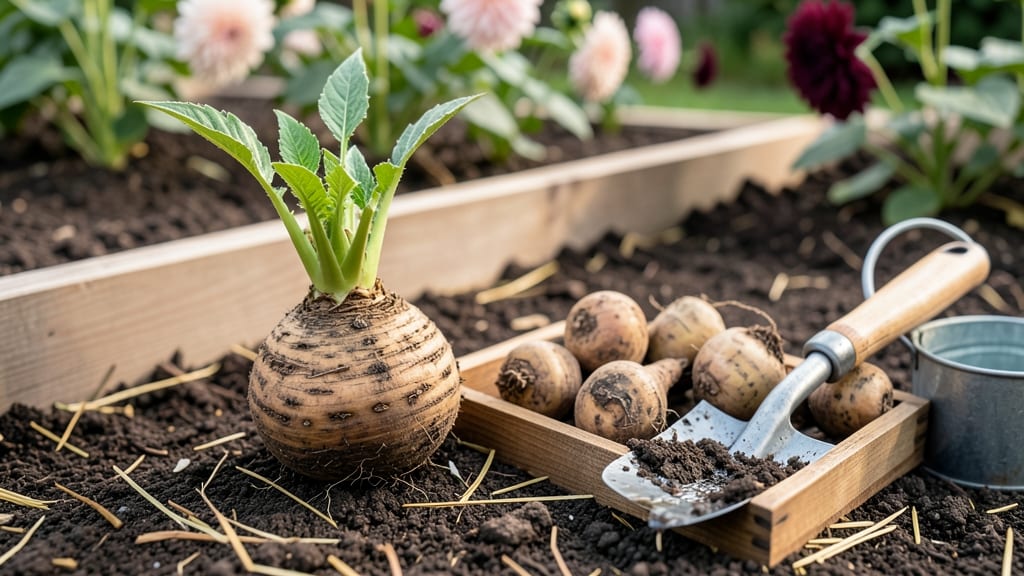
If you're dreaming of vibrant 🌸 dahlias bursting with color in your Southern California garden, timing your planting right is the key to success.
Planting these stunning bloomers too early can leave them vulnerable to unexpected chilly snaps, while waiting too long might stunt their growth before the blooming season kicks in.
Southern California's diverse microclimates—from coastal chill to inland warmth—mean there's no one-size-fits-all answer. What works for a Santa Barbara garden might not suit a Palm Springs landscape.
The secret lies in waiting for soil temperatures to hit that sweet spot of 55-60°F, signaling it's finally safe to plant those precious tubers.
In this guide, I’ll walk you through the exact planting windows for your region, whether you're in a frost-prone valley or a sunbaked desert area. You’ll learn how to prep your soil, time your transplanting for maximum bloom potential, and avoid common mistakes that could leave your dahlias struggling.
Ready to transform your garden into a dahlia paradise? Let’s dive into the soil warmth triggers and microclimate maps that will help you plant with confidence—so you can enjoy those stunning blooms from June through October.
Southern California soil warmth zones: when dahlias can tolerate transplanting
Southern California’s diverse microclimates mean soil temperature is the real planting trigger for dahlias, not just the calendar. Tubers need consistent soil temps of 55-60°F to sprout reliably.
Coastal areas like Santa Barbara (USDA Zone 10a) warm up later than inland desert regions like Palm Springs (Zone 11), creating a 3-4 week planting window shift between regions.
Use a soil thermometer to check depth—dahlias need warmth 6 inches down. Morning temps below 50°F can stunt growth, while consistent warmth above 60°F for 7+ days signals it’s safe to plant.
This varies by region: coastal areas may wait until late March, while desert zones can start as early as mid-February.
Here’s how microclimates affect your planting window:
| Region | USDA Zone | Ideal Planting Window | Soil Temp Threshold | Key Risk |
|---|---|---|---|---|
| Coastal (Santa Barbara, LA) | 10a | Late March–Early May | 60°F+ for 10+ days | Late frost (rare but possible) |
| Inland (San Bernardino, Riverside) | 9b-10a | Mid-February–Early April | 55°F+ for 7+ days | Cold snaps (below 40°F) |
| Desert (Palm Springs, Coachella) | 11 | January–March | 50°F+ for 5+ days | Drought stress (overheating) |
For coastal gardeners, monitor National Weather Service alerts for Santa Ana winds, which can drop temps suddenly. Inland areas should mulch heavily (3-4 inches of straw) to retain warmth. Desert planters may need shade cloth during peak summer to prevent tuber stress.
Pro tip: Pre-warm soil by covering beds with black plastic 2-3 weeks before planting. This raises temps 5-10°F faster than uncovered soil. Test with a thermometer at 6-inch depth—this is where tubers need consistent warmth.
If you’re in a transition zone (e.g., Orange County), err on the side of waiting. Dahlias planted too early in cooler microclimates often rot or produce weak stems. The 3-week rule applies: Wait until 90% of frost risk has passed for your area.
For container growing, use heat mats or plant in black pots to absorb sunlight. Containers warm up faster than ground soil, letting you plant 2-3 weeks earlier than in-ground dahlias. Just ensure pots have drainage holes to prevent root rot.
Remember: Soil warmth > calendar dates. Even if it’s March 1st, if your soil is still below 55°F, wait. Use a soil thermometer—it’s your best friend for dahlia success in Southern California.
Southern California soil warmth zones: when dahlias can tolerate transplanting
Dahlias need soil temperatures of 55-60°F to thrive after transplanting. In Southern California, this varies dramatically by region—coastal areas like Santa Barbara warm up later than inland deserts like Palm Springs. Ignoring these differences can lead to slow growth or rot from cold soil.
Coastal zones (USDA 10a) often experience delayed warming due to ocean breezes, while inland valleys (USDA 9b) can hit ideal temps by late February. Desert regions (USDA 11) may be ready as early as January, but extreme heat can stress tubers if planted too soon.
| Region | USDA Zone | Soil Warmth Window | Planting Ready |
|---|---|---|---|
| Coastal (Santa Barbara, LA) | 10a | Mid-March to April | After April 15 |
| Inland Valleys (San Fernando, Riverside) | 9b | Late February to March | After March 1 |
| Desert (Palm Springs, Joshua Tree) | 11 | January to early February | After January 20 |
Use a soil thermometer to confirm temps before planting. Coastal gardeners should wait until nighttime lows stay above 50°F, while desert gardeners may need to shade tubers if daytime temps exceed 85°F during early planting.
Microclimates matter even within cities. A San Diego backyard near the coast might need a 2-week delay compared to a 10 miles inland location. Observe your garden’s unique patterns for 2-3 years to refine your timing.
If you’re unsure, start tubers indoors in late January (coastal) or December (desert) to give them a head start. This chitting method (sprouting tubers in trays) lets you transplant hardened sprouts when soil is ready.
Pro tip: Mulch with straw or wood chips after planting to maintain soil warmth. This is especially critical in coastal areas, where ocean breezes can chill soil unexpectedly.