
Plants
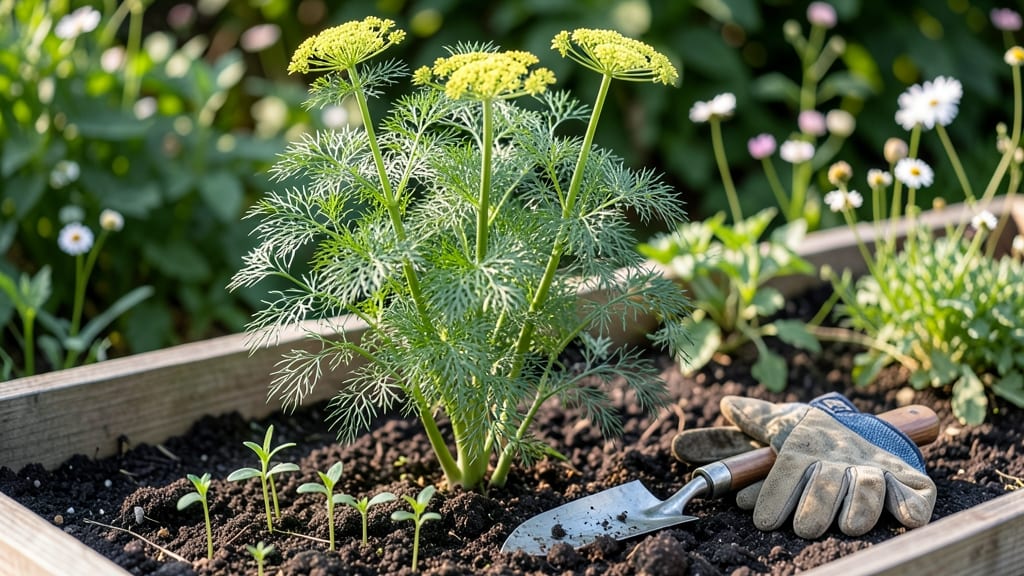
If you’ve ever planted dill in Florida only to watch it bolt into flower weeks before harvest, you’re not alone. The key to growing lush, flavorful 🌿 dill year-round lies in timing—especially in Florida’s frost-free, high-heat climate where seasons blur.
Plant too early, and summer’s relentless sun sends your dill racing to seed; too late, and pests or heat stress cut your harvest short. But here’s the good news: with the right monthly schedule, you can enjoy fresh dill leaves for 60-75 days of continuous growth.
Florida’s 9a-11 zones let you sow dill almost anytime, but the sweet spot is fall and winter—when temperatures dip just enough to slow bolting. That means September through November for fall crops and February through March for spring starts.
These windows align perfectly with Florida’s microclimates, whether you’re gardening in coastal humidity or inland heat. The trick? Start seeds indoors or use shade cloth to buy time against summer’s intensity.
Why does timing matter so much? Dill is a cool-season herb at heart, and Florida’s heat throws it off balance. The right planting schedule ensures you harvest before the summer solstice hits, when even shade-loving dill struggles.
Plus, spacing seeds properly—12-18 inches apart—gives your plants room to thrive without competing for resources. Ready to unlock the secrets to bolt-proof dill? Let’s dive into the exact months that work best for your Florida garden.
From soil prep to pest prevention, we’ll cover everything you need to grow dill that’s bushier, greener, and ready to harvest when you are.
Whether you’re a seasoned gardener or a beginner, these Florida-specific tips will help you avoid the most common mistakes—and enjoy homegrown dill that rivals anything you’d buy at the store. Let’s get started!
Best months to plant dill in Florida for maximum yield
Florida’s frost-free climate means you can grow dill year-round, but timing matters to avoid bolting or heat stress. The ideal windows are September–October for fall and February–March for spring, aligning with Florida’s Zone 9–11 conditions. These months give dill 60+ days of growth before summer’s peak heat arrives.
Why these months? Fall planting lets dill mature before winter’s mild chill, while spring planting avoids the brutal June–August heat. In coastal Florida, humidity is higher, so plant 1–2 weeks earlier than inland areas to prevent fungal issues.
For container gardening, adjust timing by 2 weeks—containers heat up faster.
Here’s a quick reference for Florida’s two best planting seasons and their benefits:
| Season | Best Months | Growth Window | Key Advantage |
|---|---|---|---|
| Fall | September–October | 60–75 days | Cooler temps delay bolting |
| Spring | February–March | 60–70 days | Avoids summer heat stress |
| Late Summer | July–August | 45–60 days | Partial shade required |
🌿 Pro Tip: For continuous harvests, stagger plantings every 2–3 weeks within these windows.
If you’re planting in summer (June–August), expect bolting within 30–45 days due to heat. To mitigate this, use 30% shade cloth and deep watering daily. Mammoth dill handles heat slightly better than Bouquet dill, but neither thrives without shade.
For coastal Florida (e.g., Miami, Tampa), plant 1–2 weeks earlier than inland areas like Orlando or Gainesville. Coastal humidity speeds up growth but also increases powdery mildew risk. Increase airflow by spacing plants 12–18 inches apart and mulch with straw to retain moisture.
In North Florida (e.g., Jacksonville, Tallahassee), where nights dip into the 50s°F in winter, plant dill in late winter (March) for a spring harvest before summer arrives. Use row covers for early starts to protect from unexpected cold snaps (rare but possible).
Container growers in urban Florida (e.g., Miami condos, Orlando apartments) should plant February–March or September–October in 5-gallon pots with well-draining soil. Containers dry out faster, so water daily in summer and move pots to partial shade by 11 AM to prevent wilting.
To test your soil before planting, grab a handful and squeeze it. If it crumbles easily, it’s well-draining—ideal for dill. If it stays clumpy, amend with compost or perlite to improve drainage.
Dill hates soggy roots, which is why raised beds work well in Florida’s heavy clay soils.
After planting, water deeply (1–2 inches per week) and avoid overhead watering to prevent fungal diseases. In summer, mulch with straw or pine needles to keep roots cool. With the right timing, you’ll enjoy fresh dill for pickles, soups, and salads all year—no bolting in sight!
Best months to plant dill in Florida for maximum yield
Florida’s frost-free climate means you can grow dill year-round, but the best planting windows are September–October for fall and February–March for spring. These months give your dill 60+ days of cool weather before summer’s extreme heat triggers bolting.
Inland areas like Tallahassee can push planting to November, while coastal zones like Miami may start as early as January.
Dill’s ideal growing temperature is 60–75°F, so summer planting (June–August) risks heat stress and rapid bolting. However, with shade and extra water, you can extend the season into late spring or early fall.
The key is aligning your planting schedule with Florida’s microclimates—coastal areas stay milder longer than inland regions.
| Season | Best Planting Months | Key Considerations |
|---|---|---|
| Fall | September–October | Avoids summer heat; harvest before winter chill. |
| Spring | February–March | Cooler temps prevent bolting; ideal for containers. |
| Summer (Risky) | June–August | Use shade cloth; water daily at soil level. |
| Winter | December–January | Slow growth; protect from cold snaps with mulch. |
For container gardening, Florida’s urban growers can start dill indoors in January and transplant outdoors by March. This gives you an early harvest before summer’s intensity peaks. If you’re in North Florida (Zone 8a), aim for late February plantings to avoid early spring heat waves.
Pro tip: Direct sow seeds ¼ inch deep in well-draining soil with a pH of 6.0–7.0. Florida’s sandy soils often need compost or peat moss to retain moisture. Space seeds 12–18 inches apart—dill spreads quickly, and overcrowding invites powdery mildew in humid conditions.
Monitor your dill’s growth rate—if it reaches 12 inches tall in 30 days, it’s ready for first harvests. In Florida’s heat, this can happen faster, so harvest leaves frequently to encourage bushier regrowth. Save seeds by letting 1–2 stems flower and dry on the plant.
Remember: Dill is an annual in Florida, so replant every season for continuous harvests. With the right timing, you’ll enjoy fresh dill for pickling, soups, and garnishes year-round—without the frustration of bolting or pests. 🌿