
Plants
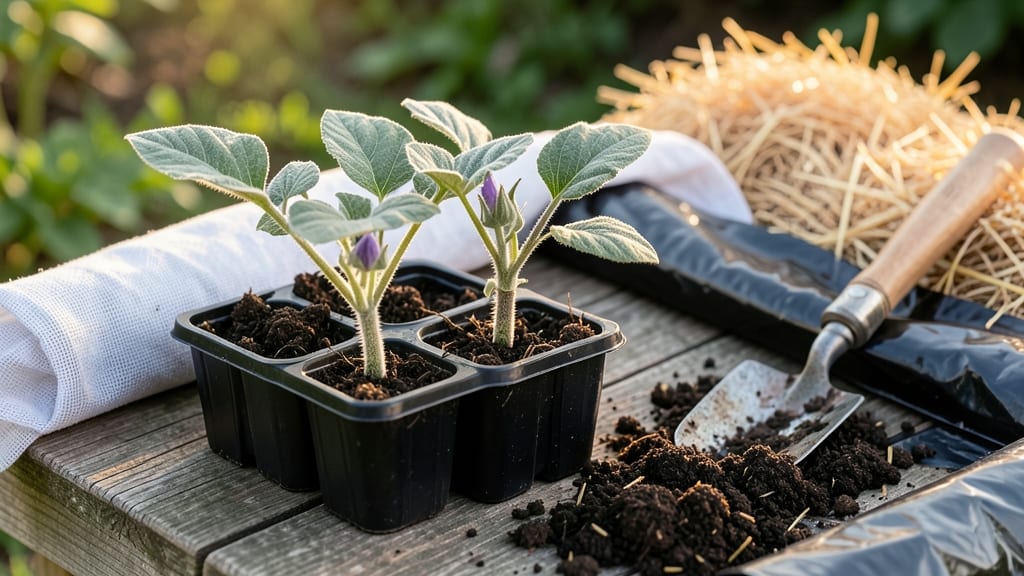
Knowing when to plant eggplant in NC can mean the difference between a thriving garden and a sad, frost-nipped failure. This heat-loving 🍆 plant refuses to grow in cool soil, so timing your North Carolina planting window is absolutely critical for success.
Most gardeners in zones 7a-8b wait until after the last frost—typically mid-April through mid-June—but that’s just the starting point. The real secret lies in soil temperature: eggplants won’t sprout until the ground reaches at least 70°F, and even then, they need consistent warmth to flourish.
In this guide, I’ll break down the exact planting schedule for your region—whether you’re in the Piedmont’s rolling hills or the Coastal Plain’s humid lowlands—plus how to adjust for microclimates that can shift your ideal window by weeks.
You’ll also discover why starting seeds indoors gives you a 2-week head start, how black plastic mulch can trick your soil into warming faster, and the one common mistake that wipes out more NC eggplant gardens than frost ever could.
Best planting times for eggplant in North Carolina’s climate zones
North Carolina’s diverse climate—from the Coastal Plain to the Mountains—means eggplant planting times vary by USDA zones 7a-8b. The key is waiting until soil temperatures hit at least 70°F and all frost risk has passed.
For most of NC, this falls between mid-April and mid-June, but mountain regions may need to wait until late May or early June.
Eggplants are heat-loving annuals that despise cold. Even a light frost can kill young plants, so checking your local last frost date is critical. The NC State Climate Office provides county-specific frost data—bookmark their maps before planting!
In western NC (zone 7a), aim for May 15-June 1, while eastern regions (zone 8a) can start as early as April 15.
For gardeners in Piedmont NC, a transitional zone, I recommend waiting until May 1 to balance frost risk with the plant’s need for warmth. The Outer Banks and coastal areas can plant slightly earlier (late April), but monitor nighttime temperatures—eggplants struggle below 55°F.
Here’s my pro tip: Use a soil thermometer ($10 at garden centers) to confirm readiness. Eggplants won’t germinate well in cold soil, and even if they do, growth will be stunted. Black plastic mulch can warm soil by 5-10°F, giving you a 2-week head start in cooler zones.
| NC Region | USDA Zone | Last Frost Date | Ideal Planting Window | Soil Temp Threshold |
|---|---|---|---|---|
| Coastal Plain | 8a | March 15-April 1 | April 15-May 15 | 70°F+ |
| Piedmont | 7b | March 20-April 10 | May 1-May 30 | 70°F+ |
| Mountains | 7a | April 15-May 1 | May 15-June 1 | 70°F+ |
🌡️ Pro Tip: Mountain gardeners—consider container growing for earlier starts!
If you’re starting eggplant seeds indoors, begin 8-10 weeks before your target outdoor planting date. Seedlings need warmth (75-85°F) and bright light to thrive. Use a heat mat under seed trays if your home is chilly. Harden off seedlings for 7-10 days before transplanting to avoid shock.
For direct sowing (skipping the indoor stage), wait until soil is consistently 70°F+ and plant seeds ½ inch deep, spacing them 12-18 inches apart.
Germination takes 7-14 days in warm soil. Thin seedlings to 12-18 inches apart when they’re 3-4 inches tall—this prevents overcrowding and fungal diseases.
One common mistake is planting too early in hopes of a longer harvest. Eggplants grown in cool soil develop weak stems and small fruit. I’ve seen gardeners in Raleigh rush planting in early April only to lose their crop to late frosts in May.
Play it safe: Wait for warmth, and your eggplants will reward you with juicy, glossy fruit all summer long.
For a second harvest, try planting heat-tolerant varieties like ‘Black Beauty’ or ‘Ichiban’ in late June. These can produce fruit even as temperatures climb toward 90°F+. Just keep them well-watered and mulched to retain moisture.
Remember: Eggplants are short-season crops in NC. Most varieties need 75-100 days to mature, so late plantings may not yield much before frost. Plan accordingly—aim for July-October harvests for the best results.
How to extend eggplant’s growing season in North Carolina
North Carolina’s unpredictable spring frosts can turn your eggplant seedlings into sad, wilted memories if you’re not prepared. Even after the last frost date, late cold snaps—especially in the Piedmont and Mountain regions—can delay your harvest by weeks.
The key to beating this is proactively extending your growing season with simple but effective strategies.
One of the easiest ways to protect young eggplants is by using row covers or frost blankets. These lightweight fabrics trap heat and shield plants from temperatures as low as 28°F.
I’ve had great success with floating row covers (like Agribon) in early May, especially in USDA Zone 7a areas like Asheville. Just secure them with stakes or weights to prevent wind damage.
🚨 CRITICAL WARNING: Never leave row covers on during the day when temperatures rise above 80°F. Eggplants can overheat and suffer from heat stress, which stunts growth. Ventilate by rolling up the sides or using hoops with adjustable flaps.
If your area has a history of late May frosts (like the Coastal Plain), delay planting until June 1 or use cold frames for an earlier start.
For gardeners in Zone 7a or higher elevations, a cold frame is a game-changer. These low, glass-covered boxes create a microclimate 10-15°F warmer than outside. I’ve started eggplant seeds in cold frames as early as late March in the Mountains, giving me a 6-week head start on the season. Just
Another trick I swear by is black plastic mulch. This isn’t just for warming soil—it also suppresses weeds and keeps moisture locked in. Lay it down 2-3 weeks before planting to raise soil temperatures by 5-10°F. Pair it with drip irrigation to avoid wetting the leaves (which invites fungal diseases like early blight).
If you’re in a humid area like the Coastal Plain, prioritize airflow to prevent disease. Space plants 18-24 inches apart and prune lower leaves to improve circulation. I’ve also had success with tall cages or stakes to keep foliage off the ground, reducing splashing water during rains.
Finally, don’t overlook succession planting. Instead of betting everything on one batch, sow a second round 2-3 weeks later. This ensures a continuous harvest even if the first planting gets nipped by an unexpected frost.
In Zone 8a, I’ve extended my harvest into early November using this method.