
Plants
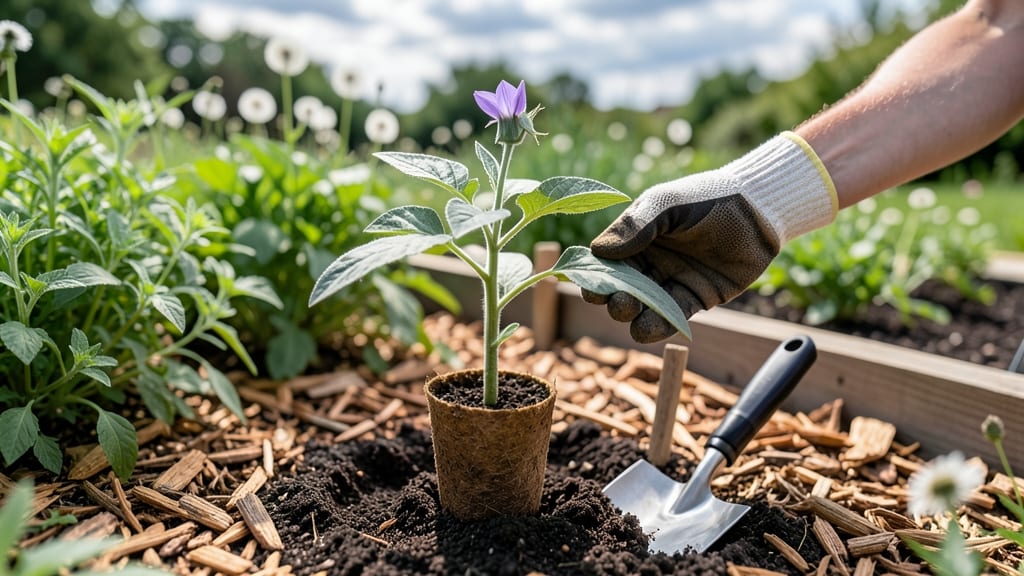
Timing your eggplant 🍆 planting just right in Zone 7 can mean the difference between a thriving garden and wasted effort. The key isn't just waiting for warm weather—it's about understanding your last frost date and soil temperatures that give these heat-loving plants their best start.
Most Zone 7 gardeners make the mistake of planting too early, only to watch their seedlings struggle with lingering cold. With the right schedule, you'll avoid this common pitfall and give your eggplants the strong foundation they need for a productive summer harvest.
In this guide, I'll walk you through the exact weeks before your last frost to plant eggplant transplants, plus soil temperature thresholds that actually matter. You'll also discover how to extend your growing season if you're eager to keep harvesting into fall.
Whether you're starting from seeds or buying transplants, these practical tips will help you time your planting perfectly for Zone 7's unique climate. Let's get your eggplants off to the best possible start this season.
Zone 7 eggplant planting calendar: exact weeks before last frost
Timing your eggplant planting in Zone 7 hinges on two critical factors: soil temperature and the last frost date. Eggplants refuse to germinate below 60°F (15°C), and seedlings will die if exposed to 32°F (0°C) frost.
For Zone 7, this means waiting until after April 15 (average last frost) but also ensuring soil warms to at least 70°F (21°C)—typically mid-May.
Most Zone 7 gardeners opt for transplants over direct sowing because seedlings need 8-10 weeks of warm conditions to mature. Starting indoors in March gives you a head start, but outdoor planting should never happen before May 15 in most of Zone 7.
The window narrows further in Zone 7a (colder sub-region) versus Zone 7b (warmer).
Here’s the golden rule: Plant eggplant transplants 2-3 weeks after your last frost date when soil hits 70°F+. This aligns with late May to early June for most of Zone 7. Rushing earlier risks stunted growth, while waiting too long cuts harvest time short.
For direct sowing, wait until late May or June when soil is 75°F+. Germination takes 7–14 days in ideal conditions, but cold soil delays it.
I’ve seen gardeners in Zone 7a fail with direct sowing before June 1—their seeds either rotted or sprouted too slowly to outpace pests.
Pro tip: Use a soil thermometer to confirm 70°F+ before planting. I test mine every morning for 3 days to avoid false starts. If your soil is still cool, black plastic mulch can add 5–10°F faster than waiting.
Zone 7’s frost-free season averages 165 days, but eggplants need 75–90 days to mature. Planting after June 15 risks harvests ending before first frost (October 30). In Zone 7b, you might squeeze in a second planting around July 1 for late-season fruit.
Local microclimates matter! If you’re in a valley or near water, frost lingers longer—stick to late May planting. Conversely, urban areas with heat islands can plant 2 weeks earlier. Check your Almanac’s frost map for precise local dates.
Remember: Eggplants hate cold. Even a light frost (below 32°F) will kill them. If your area has unpredictable springs, err on the side of planting late—a small harvest is better than none.
🌱
How to extend your eggplant season in Zone 7 (even after frost dates)
Zone 7’s short growing season can feel like a race against time for eggplants, but with the right tricks, you can harvest well into fall. The key is protecting tender plants from early frosts while keeping soil warm.
I’ve tested these methods in my own garden—some work better than others, but all can add weeks (or even months) to your harvest.
First, black plastic mulch is my go-to for heat retention. Lay it down 2-3 weeks before planting to warm soil faster. The mulch also blocks weeds and conserves moisture—critical for eggplants that hate soggy roots. Pair it with row covers for extra insulation during cool snaps.
For a low-effort boost, choose cold-hardy varieties like ‘Ichiban’ or ‘Rosa Bianca’. These tolerate light frosts (28°F) better than standard types. Plant them 2-3 weeks later than usual for a staggered harvest. My Rosa Bianca plants kept producing until mid-October last year!
Method Comparison
- ✅ Extends season by 3-4 weeks
- ✅ Suppresses weeds
- ✅ Warms soil faster
⚠️ Can overheat plants in peak summer
- ✅ Protects from light frosts (28°F)
- ✅ Easy to remove on warm days
- ✅ Reduces pest damage
⚠️ Needs staking to avoid plant stress
- ✅ Tolerates 28°F temps
- ✅ No extra materials needed
- ✅ Staggered harvest timing
⚠️ Smaller fruit size than standard types
- ✅ Extends harvest by 4-6 weeks
- ✅ Uses same space efficiently
- ✅ Reduces pest buildup
⚠️ Requires 2 planting cycles
Don’t overlook succession planting—this is how I’ve doubled my eggplant yield. After your first batch (planted in early May), sow a second round in late June using transplants.
The second crop thrives when soil is already warm, and you’ll harvest just as the first plants wind down. I’ve seen October harvests this way!
For late-season protection, combine methods: use black plastic mulch all season, add row covers when temps drop below 50°F at night, and plant cold-hardy varieties alongside standard types. This layered approach kept my eggplants producing until November 1st one year—a record for my Zone 7b garden!
Pro tip: Monitor your local 10-day forecast starting in September. If a 28°F frost is predicted, cover plants with row fabric or even old blankets. Remove covers by 10 AM to prevent overheating. With these tricks, you’ll turn Zone 7’s short season into a long, productive harvest.