
Plants
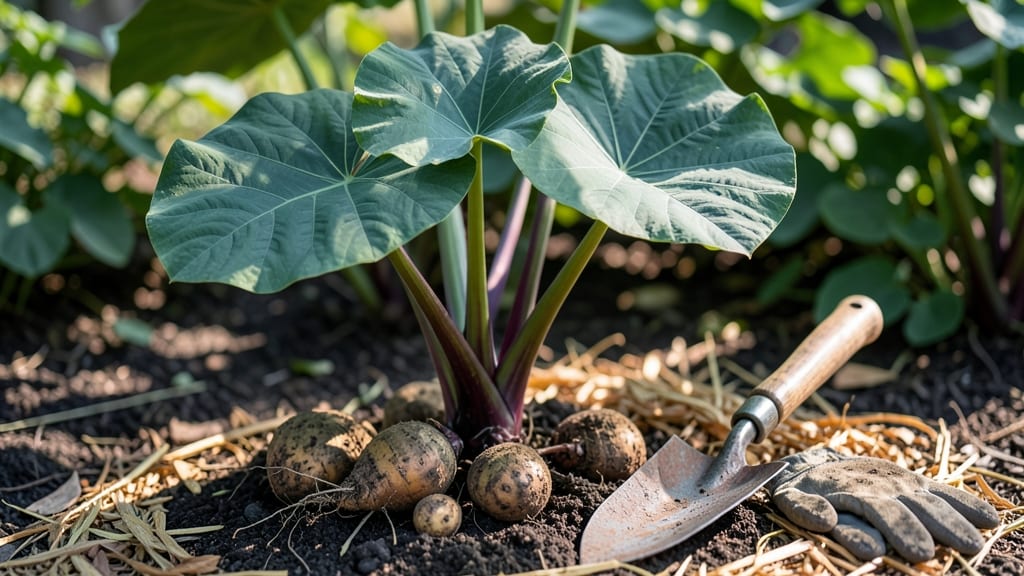
If you’ve ever watched your Elephant Ear 🌿 bulbs wilt under Georgia’s unpredictable spring weather, you’re not alone—but knowing when to plant elephant ear bulbs in Georgia can make all the difference.
The difference between stunning summer foliage and a failed planting often comes down to timing—especially in Zones 8A/8B, where frost can linger into March and summer heat arrives early.
Planting too soon risks frost damage, while waiting too long may leave your tubers struggling to establish before the heat sets in. The sweet spot? After your last frost date—typically mid-March to early April—when soil temperatures hit 60°F and stay there.
But here’s the catch: Georgia’s microclimates vary wildly, from coastal Savannah’s milder springs to inland Atlanta’s slower warming soil.
I’ll break down the exact window for your area, plus 3 pro tips to give your Elephant Ear bulbs the best start—whether you’re in the mountains or near the coast. No more guessing, just lush, drama-worthy leaves by summer.
Ready to transform your garden? Let’s get those tubers in the ground at the perfect moment.
Optimal planting windows for Georgia’s zone 8A/8B climate
Georgia’s Zone 8A/8B climate gives you a 215-day frost-free window, but timing matters for elephant ear bulbs. Plant too early, and frost will kill emerging shoots; too late, and they’ll struggle in summer heat.
The sweet spot? After your last frost date—typically mid-March to early April—when soil warms to 60°F+. This ensures strong root growth before Georgia’s 90°F+ summers hit.
In Atlanta (Zone 8A), last frost averages March 15, while Savannah (Zone 8B) sees it 2 weeks earlier. Use these dates as guides, but monitor soil temps—a soil thermometer is your best friend.
If nights dip below 50°F, protect young plants with frost cloth until they’re established.
For maximum foliage, aim for late March to early April planting. This gives roots 6-8 weeks to establish before summer’s intense heat. If you miss this window, you can still plant in May, but expect slower growth and smaller leaves by summer’s end.
Pro tip: Soak bulbs overnight before planting to jumpstart root growth. Place them in a bucket of lukewarm water for 4-6 hours—this mimics Georgia’s spring rains and helps bulbs swell faster. After soaking, plant 2-3 inches deep in well-draining soil mixed with compost for nutrients.
If you’re in coastal Georgia (Zone 8B), you can push planting to early February—warmer microclimates mean earlier soil warming. But inland areas like Augusta or Macon should wait until mid-April to avoid late frost risks. Always check your local extension service for hyper-local frost data.
For container gardening, plant 2 weeks earlier than ground planting—pots warm up faster in spring sun. Use black containers to absorb heat and speed up soil warming. Just ensure pots have drainage holes to prevent root rot in Georgia’s humid summers.
Once planted, mulch heavily with straw or pine needles to retain moisture and regulate soil temp. In Zone 8A, mulch also protects roots from late spring frosts. Remove mulch in late summer to prevent fungal issues as temps rise.
Remember: Elephant ears are tropical—they hate cold but love heat. In Georgia, they’ll go dormant in winter, but with proper fall care, you can replant the same bulbs year after year. More on that in our next section!
Optimal planting windows for Georgia’s zone 8A/8B climate
Georgia’s Zone 8A/8B climate creates a tight window for planting Elephant Ear bulbs—typically between mid-March and early April. This aligns with the average last frost date of March 15, but soil temperature matters more than calendar dates.
Your bulbs need 60°F+ soil to sprout reliably, which often means waiting until late March or early April, especially in inland areas like Atlanta.
Coastal regions like Savannah and Brunswick can plant as early as February 20–March 1 thanks to milder winters, while higher elevations near Blue Ridge may need to wait until April 1–15. Use a soil thermometer to confirm readiness—this simple tool prevents costly mistakes from planting too soon.
Here’s the frost-free planting timeline tailored to Georgia’s microclimates:
| Region | Last Frost Date | Ideal Planting Window | Soil Temp Threshold |
|---|---|---|---|
| Coastal (Savannah, Brunswick) | Feb 20–Mar 1 | Feb 20–Mar 15 | 60°F+ (earlier possible) |
| Central (Atlanta, Macon) | Mar 15–20 | Mar 20–Apr 5 | 60°F+ (wait for consistency) |
| Northwest (Blue Ridge) | Apr 1–15 | Apr 1–15 | 60°F+ (soil warms slower) |
For extra insurance, consider a late-March planting if your area experiences late frosts. Elephant Ear bulbs are tender perennials—they’ll die back to the ground in winter but regrow from the same tubers if planted correctly.
In Zone 8A, you can push the envelope slightly earlier, but Zone 8B gardeners should err on the side of caution due to hotter summers.
Pro tip: Soak bulbs for 24 hours before planting to jumpstart growth. Place them in lukewarm water with a pinch of horticultural fungicide to prevent rot. This step is especially critical if you’re planting in heavy clay soil, common in Georgia’s Piedmont region.
Once planted, mulch heavily with straw or pine needles to retain moisture and regulate soil temperature. This helps your Elephant Ear bulbs establish roots faster, giving them a head start against Georgia’s summer heat and occasional droughts.