
Plants
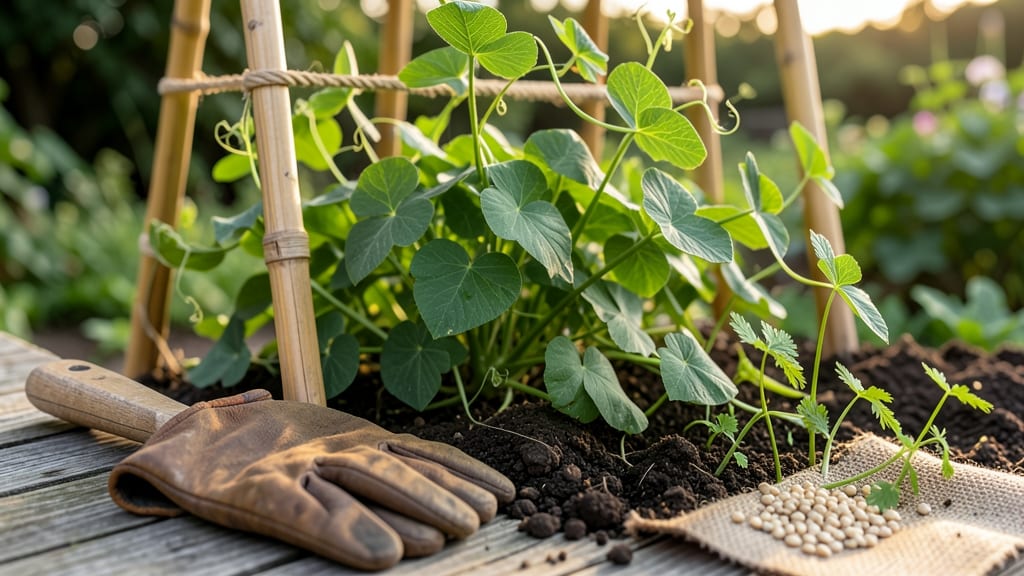
When to plant English peas in Zone 8 is the secret to unlocking a garden bursting with sweet, tender pods instead of bitter, tough ones. These cool-weather lovers 🌱 demand precision—plant too early, and frost will strike; too late, and summer heat will turn them woody. But with the right timing, you'll enjoy fresh peas from spring through fall, a rare treat in warmer climates.
Most gardeners in Zone 8 swear by two planting windows: late winter to early spring (February-March) for that first sweet harvest, and fall (September-October) to beat the heat. The key? Soil temperatures between 40°F and 85°F—any hotter, and your peas will bolt before you even get a taste.
I’ll show you exactly how to time it right, whether you’re a first-time grower or a seasoned pro looking to maximize your yield.
Don’t let common mistakes ruin your harvest—like planting too close to the last frost or ignoring soil prep. We’ll cover everything from seed soaking tricks to adjusting for microclimates (coastal vs. inland Zone 8).
By the end, you’ll know not just when to plant, but how to set your peas up for success from day one.
Ready to turn your garden into a pea powerhouse? Let’s dive into the exact dates, soil secrets, and pro tips that’ll have you picking fresh pods in just 60 days. Your taste buds will thank you.
Best planting windows for English peas in Zone 8 (fall & spring guide)
In Zone 8, where winters are mild but summers can be scorching, timing your English pea planting is critical. These cool-weather lovers perform best when soil temperatures stay below 75°F, making early spring and late fall the ideal windows.
Miss these windows, and you risk bitter-tasting peas or poor yields due to heat stress.
For most of Zone 8, the last frost date typically falls around February 15, while the first frost arrives by November 15. This gives you two prime planting opportunities: late winter/early spring (February–March) and fall (September–October). Let’s break down the best strategies for each.
🌱 Did You Know? English peas can actually be planted 3 times in Zone 8 if you use succession planting! Start with early varieties in February, mid-season in April, and late varieties in September for a continuous harvest.
| Planting Window | Best Months | Soil Temp | Key Notes |
|---|---|---|---|
| Early Spring | February–March | 45–60°F | Plant 4–6 weeks before last frost. Use cold-hardy varieties like 'Lincoln' or 'Wando'. |
| Late Spring | April | 50–65°F | For succession planting, sow seeds every 2 weeks until May. Avoid planting after May 15 to prevent heat stress. |
| Fall | September–October | 55–70°F | Choose late-maturing varieties like 'Oregon Sugar Pod' or 'Tom Thumb'. Plant 8–10 weeks before first frost. |
Spring planting in Zone 8 should start as soon as soil is workable, usually by February. Aim to have peas established and climbing by March, when temperatures rise but haven’t yet hit the 75°F threshold that stresses them.
For fall crops, focus on September sowings—this gives peas enough time to mature before winter sets in.
If you’re in a warmer microclimate within Zone 8 (like inland valleys), shift your spring planting to January–February to avoid the heat. Conversely, coastal areas with cooler summers can extend spring planting into early April. Always check your local frost dates for precision.
Another pro tip: Soak your pea seeds overnight before planting. This speeds up germination, especially in cooler Zone 8 soils. Just place seeds in a bowl of water for 8–12 hours, then plant them 1 inch deep and 2–3 inches apart in rows 18 inches apart.
For fall harvests, prioritize varieties labeled for cool seasons. These tolerate light frosts and produce sweeter peas even as temperatures dip. After planting, use row covers if nights turn chilly to protect tender vines and extend your harvest window.
Harvest your peas when pods are plump but still tender, usually 60–70 days after sowing. In Zone 8, this means April–June for spring plantings and November–January for fall crops. Regular picking encourages more production—don’t let pods linger on the vine!
🌿 Remember: Peas hate heat. If temperatures climb above 80°F, your plants may bolt (flower prematurely) or produce woody, bitter pods. Shade cloth can help, but timing is your best defense.
Best planting windows for English peas in Zone 8 (fall & spring guide)
In Zone 8, English peas (Pisum sativum) need precise timing to avoid heat stress or frost damage. The ideal planting window spans from late winter to early spring and again in fall, ensuring cool soil temperatures (40-70°F) for optimal germination and growth.
Let’s break down the best times and strategies for both seasons.
For spring planting, aim to sow seeds 4-6 weeks before your last frost date, typically between mid-February and early March. This gives peas enough time to mature before summer heat sets in.
In Zone 8, this usually means planting by late February for an early harvest in April or May.
Fall planting is also a great option, especially for late-season varieties. Sow seeds 8-10 weeks before your first frost, usually in September. This allows peas to mature before winter arrives, with harvests stretching into November or December.
Avoid planting too late, as cold soil can stunt growth.
Here’s a quick reference for your planting schedule in Zone 8:
| Season | Planting Window | Soil Temp | Harvest Time |
|---|---|---|---|
| Spring | Mid-February to Early March | 40-70°F | April-June |
| Fall | Late August to Early September | 50-65°F | November-December |
To maximize your harvest, consider succession planting every 2-3 weeks during the spring window. This ensures a continuous supply of fresh peas. For fall plantings, choose heat-tolerant varieties like ‘Sugar Snap’ or ‘Wando', which handle slightly warmer soils better than traditional types.
Always prepare your soil by adding compost or aged manure to improve drainage and fertility. Peas thrive in well-draining, slightly acidic soil (pH 6.0-7.0). If your soil is heavy clay, mix in sand or peat moss to lighten it up.
Avoid planting peas in the same spot year after year, as they are susceptible to root rot and other soil-borne diseases.
With the right timing and care, your Zone 8 garden can yield sweet, tender peas for months. Start early, stay consistent, and enjoy the rewards of a well-timed harvest! 🌱