
Plants
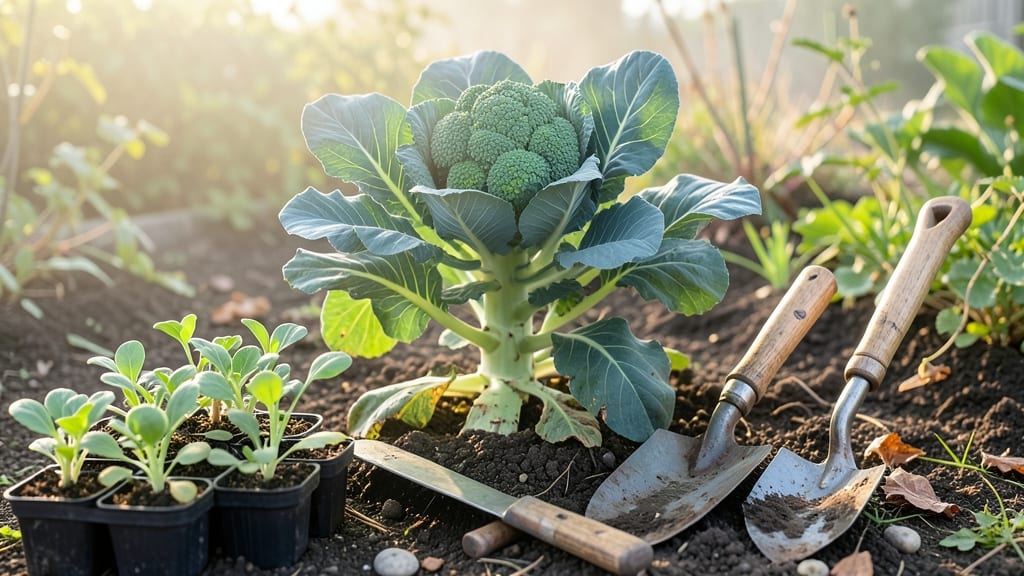
Planting fall broccoli 🥦 in Zone 7 isn't just about throwing seeds in the dirt—it's about nailing the exact timing to avoid bitter, bolted heads before frost. Get this wrong, and you'll end up with frustration instead of homegrown harvests.
The key? Starting 4-6 weeks before your first frost date, which in Zone 7 typically lands between early August and mid-September.
I've learned the hard way that broccoli is finicky about temperature swings. Plant too early, and your plants will stretch toward the sun like they're auditioning for a ballet—only to bolt before you can harvest.
Too late, and you'll miss the sweet spot where your 🥦 develops tight, flavorful heads before winter sets in.
What if I told you there's a science-backed window that guarantees zero-bolt broccoli in Zone 7? It's all about calculating frost dates, soil temps, and variety selection.
Whether you're in Virginia, North Carolina, or another Zone 7 region, these exact weeks before frost will help you grow broccoli that's crisp, flavorful, and ready to harvest from October through December.
Ready to stop guessing and start growing? I'll walk you through the precise planting schedule, soil prep tricks, and even how to adjust for cooler microclimates. Let's turn your garden into a broccoli powerhouse this fall.
Exact weeks before frost to plant fall broccoli in Zone 7
In Zone 7, the first frost typically arrives around November 1, but your exact planting window depends on your local microclimate and the variety you choose.
To avoid bolting (when broccoli flowers prematurely), aim to plant 4-6 weeks before frost, which translates to mid-August to early September for most of Zone 7. This timing ensures your broccoli has 60-80 days to mature before cold temperatures set in.
For example, if your first frost is October 20, start planting by September 10 to guarantee a full harvest. If you’re in a cooler microclimate (like the Blue Ridge Mountains), push planting to late August to account for earlier frosts.
Conversely, in warmer areas (like North Carolina’s Piedmont), you might extend planting until mid-September.
Here’s the science-backed breakdown of your planting windows, including soil temperature and frost-free days to maximize yield:
| Planting Window | Weeks Before Frost | Soil Temp (°F) | Frost-Free Days | Best For |
|---|---|---|---|---|
| Early Planting | 6 weeks | 50-60°F | 70-80 days | Cooler microclimates |
| Mid-Season Planting | 5 weeks | 55-65°F | 60-70 days | Average Zone 7 |
| Late Planting | 4 weeks | 60-70°F | 50-60 days | Warmer microclimates |
If you’re unsure about your frost date, check your local USDA Plant Hardiness Zone Map or use a frost calendar from your Cooperative Extension Service. For example, Virginia Tech’s Extension provides frost date averages for specific counties in Zone 7.
Pro tip: Use a frost watch app like PlantNet to track real-time updates.
For succession planting, sow seeds every 2 weeks from mid-August to early September. This staggered approach ensures a continuous harvest through October and November. Just remember: the last planting should be 6 weeks before frost to avoid immature heads.
If you’re in a warmer pocket of Zone 7 (like Raleigh, NC), you might even squeeze in a late-September planting for a December harvest.
One common mistake is planting too early in July, which can lead to bolting as days shorten. To prevent this, choose bolt-resistant varieties like ‘Waltham 29’ or ‘De Cicco’, which tolerate cooler temperatures better.
If you’re transplanting seedlings, opt for 6-week-old plants to give them a head start in the shorter fall season.
Soil temperature is just as critical as air temperature. Broccoli seeds need soil temps above 40°F to germinate, but ideal temps for growth are 50-65°F. Use a soil thermometer to monitor conditions.
If your soil is too cold (below 50°F), delay planting or use black plastic mulch to warm the soil faster. Conversely, if temps rise above 80°F, broccoli may bolt prematurely—so shade cloth can help in late summer.
For container gardening, plant broccoli in 5-gallon pots and place them in a sunny spot. Containers warm up faster, so you can start 1-2 weeks earlier than in-ground plantings. Just ensure pots have drainage holes to prevent root rot, which is a common issue in fall’s damp conditions.
Water containers daily in September to keep soil moist but not soggy.
Finally, don’t forget to harden off seedlings if you’re transplanting. Acclimate them to outdoor conditions for 7-10 days before planting to reduce transplant shock. This is especially important in Zone 7’s variable fall weather, where mornings can be chilly while afternoons stay warm.
A row cover can protect young plants from unexpected light frosts in October.
Exact weeks before frost to plant fall broccoli in Zone 7
In Zone 7, the first frost date typically arrives around November 1, but your exact timing depends on elevation and microclimates. To grow broccoli that matures before frost, aim to plant 4-6 weeks before that date.
That means late August to mid-September is your sweet spot for direct seeding, while transplants can go in 2-3 weeks earlier for a head start.
For example, if your frost date is October 25, count back 6 weeks to September 7 for direct sowing. This gives your broccoli 60-80 days to mature—just enough to develop tight, flavorful heads before winter sets in.
Miss this window, and you risk bitter, woody stalks or plants that bolt too early.
🌱 Pro Tip: Use a frost calculator (like the Old Farmer’s Almanac) to pinpoint your exact date, then adjust for your garden’s sun exposure and soil warmth. South-facing beds warm up faster, so you can plant 1-2 weeks earlier there.
| Planting Window | Action | Days to Maturity | Harvest Window |
|---|---|---|---|
| Late August | Direct sow seeds | 70-80 days | Mid-October - Early November |
| Early September | Transplant seedlings | 60-70 days | Late October - December |
| Mid-September | Succession sow (for late harvest) | 50-60 days | November (smaller heads) |
🌡️ Note: Adjust for cooler microclimates by planting 1-2 weeks later.
If you’re in a cooler microclimate (like higher elevations in Zone 7), push your planting date 1-2 weeks later to avoid slow germination in chilly soil. Test soil temps with a soil thermometer—broccoli seeds need 45°F+ to sprout reliably.
If your soil is cooler, wait until it warms up or use black plastic mulch to speed things along.
For succession planting, sow a second batch in mid-September for a late-November harvest. These plants will mature faster (50-60 days) but produce smaller heads.
It’s a trade-off, but it extends your harvest window and reduces waste. Just be ready to cover plants with frost cloth if temperatures dip below 25°F.
🌿 Key Takeaway: Zone 7’s fall broccoli success hinges on two critical dates: your first frost and the 60-80 day maturity window. Master these, and you’ll enjoy crisp, homegrown broccoli from October through December—no bitter surprises included.