
Plants
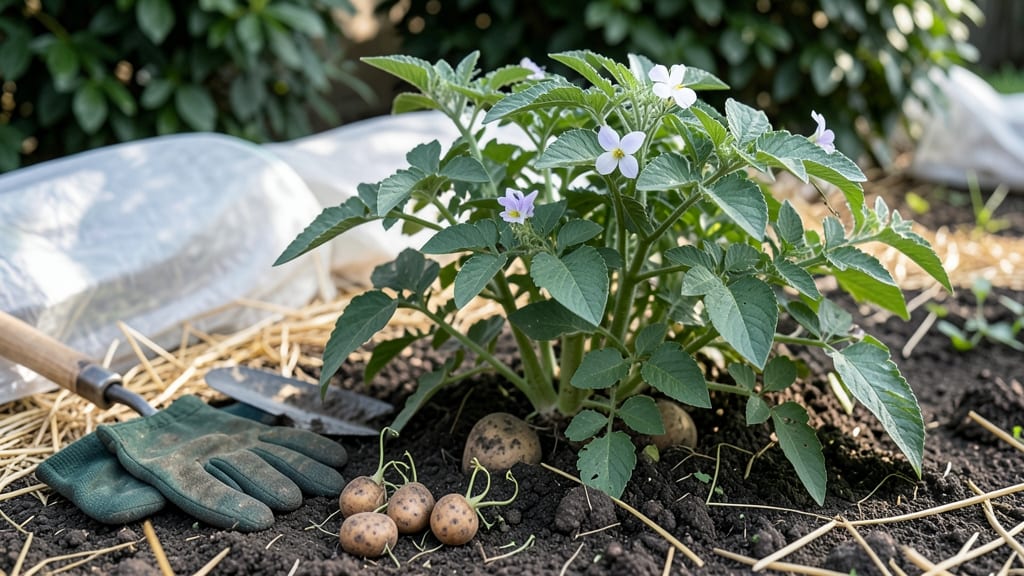
Planting fall potatoes in Oklahoma isn't just a gardening task—it's your chance to beat the heat and harvest golden tubers when summer's over.
The key window between mid-August and mid-September gives your 🥔 time to mature before frost, but miss it, and you're left with either rotten tubers or a failed crop.
I've learned the hard way that timing matters more than most gardeners realize. Too early, and your potatoes won't have enough growing days; too late, and a sudden freeze can ruin everything.
Oklahoma's USDA zones 6b-7a create a unique challenge, but with the right strategy, you can consistently grow a thriving fall crop.
In this guide, I'll walk you through exactly when to plant based on your specific location in the state, how to prepare your soil for optimal growth, and which potato varieties perform best in Oklahoma's climate.
We'll also cover the critical mistakes to avoid that could mean the difference between a bountiful harvest and wasted effort.
Whether you're a seasoned gardener or just starting, these insights will help you grow potatoes that are ready to harvest just as the weather starts to cool. Let's get your fall planting plan right so you can enjoy fresh potatoes all season long.
Oklahoma fall potato planting timeline: soil temps & frost dates
Timing your fall potato planting in Oklahoma hinges on two critical factors: soil temperature and frost dates. Potatoes thrive when soil stays between 50-65°F, and you must plant 4-6 weeks before the first frost.
In Oklahoma’s USDA Zones 6b-7a, this window typically opens in mid-August and closes by mid-September.
Oklahoma City’s average first frost arrives around November 15, while rural areas may see frost 1-2 weeks earlier. Tulsa’s timeline is similar but slightly later due to its slightly warmer microclimate.
Always check your local USDA frost map—even a 2-week delay can mean the difference between a thriving harvest and rotting tubers.
Here’s how to calculate your exact planting window: Subtract 90 days (for most varieties) from your first frost date. For example, if frost hits November 1, plant by August 1.
Use Oklahoma Mesonet’s historical frost data for precision, especially if you’re in a higher-elevation area like the Ozark foothills.
Soil temperature is just as critical as frost dates. Use a soil thermometer to confirm temps are above 50°F before planting. In Oklahoma’s clay-heavy soils, warmth lingers longer than in sandy areas—so rural gardeners often have a 2-week advantage over urban plantings.
🌱 Oklahoma Fall Potato Planting Summary
| Stage | Action | Oklahoma Timeline |
|---|---|---|
| Soil Prep | Test pH (5.0-6.5), amend with compost | Mid-July to early August |
| Planting Window | 4-6 weeks before frost | Mid-August to mid-September |
| Ideal Soil Temp | 50-65°F for sprouting | Verify with thermometer |
| Harvest Ready | Foliage yellows, tubers 2-3" | October to November |
| Last Harvest | Before hard freeze | By November 30 |
⏰ Pro Tip: Rural areas (e.g., Altus) can plant 2 weeks later than Oklahoma City.
Oklahoma’s microclimates create regional variations. For example, Tulsa’s slightly warmer fall means you can push planting to early September, while Lawton’s higher elevation may require starting by late August. Use the Oklahoma State University Extension’s frost calculator to input your zip code for hyper-local advice.
Don’t rely solely on calendar dates—soil conditions matter more. If a heatwave delays planting, wait for soil to cool below 70°F to prevent seed potatoes from sprouting too quickly. In 2023’s record heat, many Oklahoma gardeners saw their early August plantings fail due to overheated soil.
For storage varieties like Kennebec, extend your window by planting late August and harvesting after frost. These potatoes can tolerate light freezes (down to 28°F) if mulched heavily. Always cure harvested potatoes in a dark, 50-60°F space for 1-2 weeks to develop skin and improve storage life.
If you miss the ideal window, consider container growing. Pots warm up faster in fall, letting you plant up to 3 weeks later than in-ground plantings. Just ensure containers have drainage holes and use lightweight potting mix—Oklahoma’s clay is too dense for containers.
Track your progress with a planting journal. Note your local frost date, soil temp on planting day, and variety used. Over time, you’ll refine your Oklahoma-specific schedule—perhaps discovering early September works better in your yard than the "official" timeline.
Oklahoma fall potato planting timeline: soil temps & frost dates
Understanding Oklahoma's unique climate is the first step to successful fall potato planting. The state's USDA zones 6b-7a create a narrow window where potatoes can mature before frost—typically between mid-August and mid-September.
This timeline ensures your potatoes have 90-120 growing days before the first frost, which usually hits around November 15.
I've found that soil temperature is more critical than air temperature for potato growth. Your potatoes need soil that's 50-65°F at planting time. In Oklahoma, soil temperatures naturally drop below this threshold by late September, which is why timing is everything.
Use a soil thermometer to check—this small investment can save your entire crop.
Here's the key timeline for Oklahoma gardeners: Plant your seed potatoes 4-6 weeks before your first expected frost date. For most of Oklahoma, this means early to mid-September is ideal.
However, southern Oklahoma (like Lawton or Altus) can push planting slightly later, while northern areas (like Oklahoma City or Tulsa) should plant earlier to account for earlier frosts.
| Region | Ideal Planting Window | Soil Temp Requirement | Frost-Free Days After Planting |
|---|---|---|---|
| Northern OK (Oklahoma City, Tulsa) | Mid-August to early September | 50-65°F | 90-100 days |
| Central OK (Stillwater, Norman) | Late August to mid-September | 50-65°F | 100-110 days |
| Southern OK (Lawton, Altus) | Early September to early October | 50-65°F | 110-120 days |
To determine your exact frost date, check the USDA Plant Hardiness Zone Map for your specific location. Most Oklahoma gardeners fall into zones 6b-7a, but microclimates can vary significantly even within cities.
I recommend using the National Weather Service's frost prediction tool or local agricultural extension service data for the most accurate information.
One trick I've learned is to plant early-maturing varieties if you're in northern Oklahoma, where frosts come earlier. These varieties can reach maturity in 60-70 days, giving you a safety net if temperatures drop unexpectedly.
For southern Oklahoma, you can afford to plant slightly later and choose varieties that take 90-120 days to mature.
Remember that Oklahoma's clay-heavy soils can retain heat longer than sandy soils. If you're in a particularly hot microclimate, you might even extend your planting window slightly later than the general guidelines. Always monitor your soil temperature and be ready to adjust your planting schedule accordingly.
Finally, don't forget that black plastic mulch can extend your growing season by several weeks. This technique raises soil temperatures and delays frost damage, giving your potatoes that extra time they need to mature. It's especially useful if you're planting near the later end of your window.