
Plants
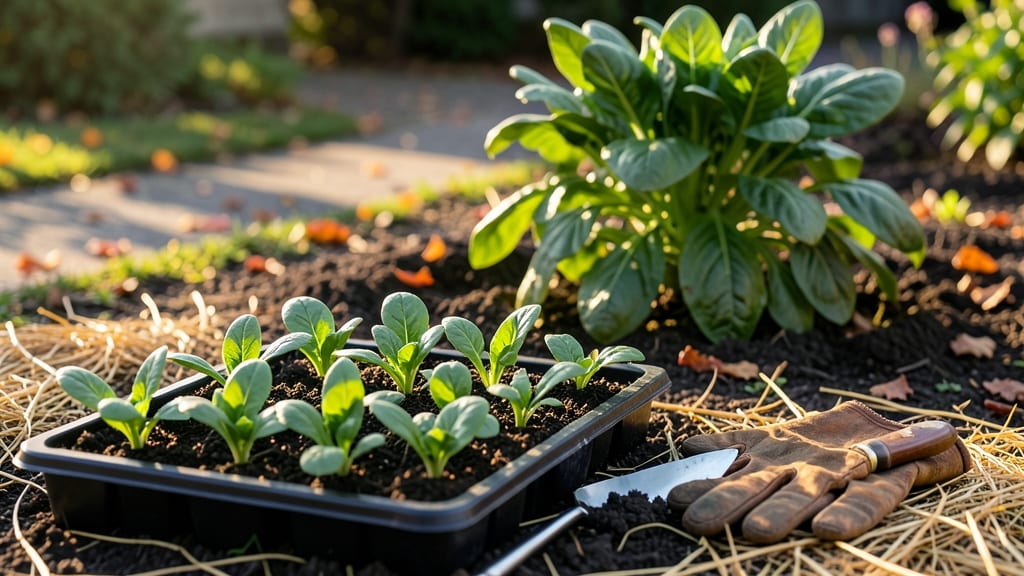
If you’ve ever planted fall spinach in Zone 6 only to watch it bolt into bitter leaves before frost, you’re not alone. The key to sweet, tender harvests lies in timing—specifically, those 4-6 weeks before the first frost that make all the difference.
Zone 6’s climate means your spinach (🌱) thrives in cooler weather, but planting too early in summer’s heat stresses the plants, while waiting too long risks a short harvest. I’ll break down the exact window—mid-to-late summer to early fall—so you can align your schedule with spinach’s cool-season needs.
Beyond dates, we’ll cover soil prep, spacing, and succession planting tricks to extend your harvest through late fall. Whether you’re a first-timer or a seasoned gardener, these insights will help you avoid common pitfalls and enjoy a steady supply of fresh greens.
Ready to transform your garden into a spinach powerhouse? Let’s dive into the science-backed steps that guarantee success—no guessing required.
Optimal planting dates for fall spinach in Zone 6 (with frost deadline)
In Zone 6, timing your fall spinach planting is critical to avoid bitter leaves or wasted seeds. The sweet spot? Plant 4–6 weeks before your first frost date—typically between mid-August and early September for most Zone 6 regions. This window ensures spinach matures before winter’s chill sets in.
For Zone 6a (colder end of the zone), aim for late August to give spinach enough time to grow before the October 15 frost deadline. In Zone 6b (warmer), you can stretch planting until early September for a later harvest.
Spinach thrives in cool temperatures (50–75°F), so planting too early in hot summer months causes bolting (premature flowering). Wait until soil temperatures drop below 80°F—usually after mid-August—for ideal germination and growth.
Here’s the exact planting timeline for Zone 6, broken down by frost dates and harvest goals:
| Planting Window | Weeks Before Frost | Harvest Timeframe | Notes |
|---|---|---|---|
| Mid-August | 6–7 weeks | Late September–October | Best for early harvests; avoid summer heat. |
| Early September | 4–5 weeks | October–November | Ideal for main harvest; tolerates light frosts. |
| Late September | 2–3 weeks | November–December | Risk of bolting; use cold-hardy varieties. |
For a two-harvest strategy, sow a second batch in early September (4 weeks before frost) to extend your harvest into November or December. Choose cold-hardy varieties like 'Winter Bloomsdale' or 'Tyee' for these later plantings—they tolerate light frosts (20–25°F) without turning bitter.
Pro tip: Use a frost calendar for your specific Zone 6 location (e.g., St. Louis vs. Chicago)—frost dates can vary by 1–2 weeks even within the same zone. Check your local USDA Plant Hardiness Zone map for precision.
Direct sowing is easiest for spinach, but if you’re transplanting 6-week-old seedlings, adjust your timeline by 2–3 weeks earlier. Seedlings need time to establish roots before cooler weather arrives. Mulch with straw or leaves after planting to protect young plants from temperature swings.
Monitor your spinach’s growth rate—if leaves reach 4–6 inches in 30–45 days, you’re on track. If growth stalls, check for pests (aphids, flea beetles) or nutrient deficiencies (yellowing leaves = nitrogen need). A light 5-10-10 fertilizer can give a mid-season boost if needed.
Remember: Spinach is a cool-season crop, so don’t rush planting. The first frost is your deadline—harvest before hard freezes (below 20°F) to preserve tenderness. With the right timing, you’ll enjoy sweet, crisp spinach straight from your garden until winter’s grip tightens.
How to extend spinach harvests in Zone 6 using succession planting
Succession planting is your secret weapon for nonstop spinach harvests in Zone 6. Instead of one big planting, stagger your sowings every 2–3 weeks to ensure a steady supply of tender leaves from late September through December.
This method works because spinach grows quickly in cool weather—30–45 days to maturity—so you can fit multiple batches before frost.
Start your first planting in mid-August (6–7 weeks before frost) for an early harvest. Then, sow a second batch in early September (4–5 weeks before frost) and a third in mid-September (2–3 weeks before frost).
Each batch will mature just as the previous one nears the end of its harvest window, creating a rolling buffet of fresh greens.
For Zone 6a (colder microclimates), focus on two plantings: mid-August and early September. In Zone 6b (warmer), you can add a third planting in late September, but choose cold-hardy varieties like 'Tyee' or 'Corvair' to survive light frosts without bolting.
- Step 1
- Step 2
- Step 3
- Step 4
To maximize success, prep your soil before the first planting. Amend with compost or aged manure to boost nitrogen—spinach is a heavy feeder and needs rich soil to thrive.
Avoid fresh manure, which can burn young seedlings. Mulch with straw or shredded leaves after sowing to retain moisture and suppress weeds.
Watch for day-length sensitivity: Spinach bolts (goes to seed) when days shorten in late fall. If your third planting starts flowering before harvest, switch to 'Bloomsdale Long Standing', a variety bred to tolerate shorter days.
Thin seedlings aggressively to 6–8 inches apart—crowded plants bolt faster due to competition.
Pro tip: Use shade cloth (30–50%) over young seedlings in hot August afternoons to prevent stress. Even a 10–15°F temperature drop can improve germination rates. With this staggered approach, you’ll enjoy fresh spinach for 8–10 weeks—far longer than a single planting.