
Plants
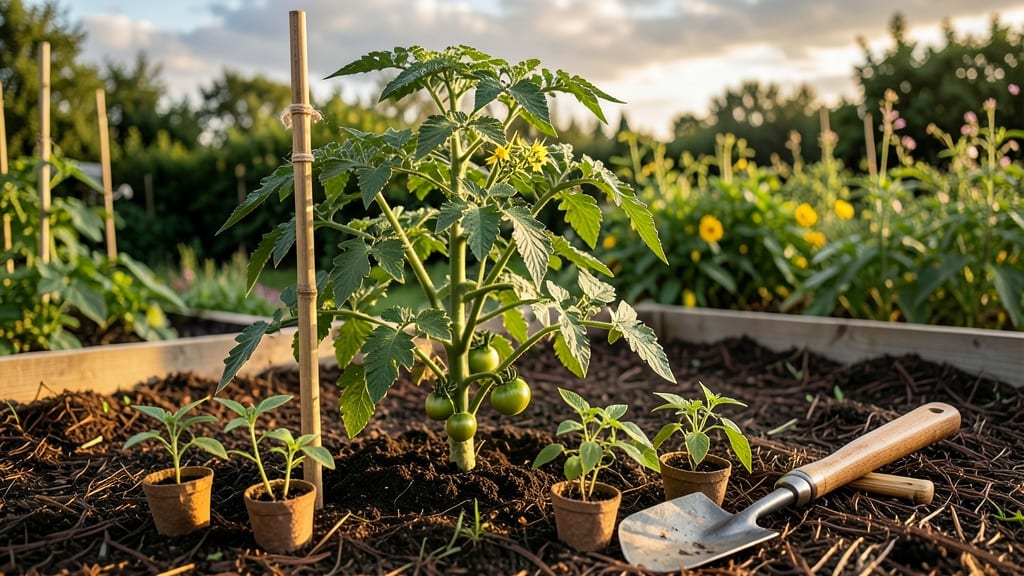
Timing when to plant fall tomatoes in South Texas isn't just about avoiding frost—it's about outsmarting the heat to grow juicy, bolt-free 🍅 plants. The late July to early September window is your golden ticket, but one wrong move can send your tomato dreams up in smoke.
I've seen firsthand how heat stress turns lush tomato plants into sad, flowerless sticks—until I learned the secrets of heat-resistant varieties and precise planting schedules. What if you could plant once, watch your tomatoes thrive through October, and keep harvesting until the first frost?
This isn't just theory—it's what I've perfected in my 9a-10a zone garden. I'll show you exactly which weeks to plant for maximum yield, which varieties actually perform in South Texas heat, and the critical mistakes that derail even the most eager gardeners.
Ready to grow tomatoes that outlast the heat? Let's dive into the week-by-week planting plan that'll have you feasting on homegrown tomatoes all fall long.
Best weeks to plant fall tomatoes in South Texas for maximum yield
Timing is everything when growing fall tomatoes in South Texas. The key window to plant is between late July and early September, but the exact timing depends on your USDA Zone (9a-10a) and whether you're starting seeds or transplanting.
In Zone 9a, aim for late July to mid-August, while Zone 10a gardeners can push planting until early September.
This schedule gives your plants 60-75 days to mature before first frost (typically mid-November to early December in South Texas). Planting too early risks heat stress and bolting, while planting too late may not yield enough tomatoes before cold snaps.
The goal is to balance heat tolerance with cool-season growth.
For transplants, purchase heat-resistant varieties from a local nursery in June or July. If starting from seed, begin indoors 8-10 weeks before transplanting (around mid-May to early June) to ensure seedlings are strong enough for South Texas heat.
Harden off seedlings for 7-10 days before moving them outdoors.
📅 South Texas Fall Tomato Planting Timeline
| Zone | Best Planting Window | Transplanting Time | Harvest Window |
|---|---|---|---|
| 9a | Late July - Mid-August | Early August - Early September | October - Mid-November |
| 10a | Late July - Early September | Early August - Late September | October - Early December |
Note: Adjust dates 1-2 weeks earlier for high-elevation areas (e.g., Hill Country) and 1-2 weeks later for coastal regions (e.g., Corpus Christi).
If you're direct-seeding tomatoes, sow seeds 1/4 inch deep in well-draining soil during the last two weeks of July. This gives seedlings time to establish roots before fall temperatures drop.
Use black plastic mulch to retain soil warmth and suppress weeds, which is especially helpful in South Texas' variable climate.
Monitor soil temperatures—ideal planting conditions occur when soil temps are between 70°F and 85°F. Use a soil thermometer to check before planting. If temps exceed 90°F, provide afternoon shade cloth (30-50% shade) to prevent heat stress in young plants.
This is critical for fall tomatoes in South Texas, where September heatwaves can still occur.
Another pro tip: Stagger your planting by 2-3 weeks to extend your harvest. For example, plant one batch in late July and another in early August. This ensures a continuous supply of tomatoes from October through December, even if early batches are affected by unexpected cold snaps.
It also helps manage disease pressure, as older plants can be removed once they're done producing.
Choose a sunny, well-drained location with 6-8 hours of sunlight daily. In South Texas, this often means planting near south- or west-facing walls to maximize heat absorption. Avoid low-lying areas where cold air pools at night, as even a light frost can damage tender tomato plants.
Elevate beds or use raised planters if your garden has poor drainage.
After planting, mulch heavily with straw or shredded leaves to retain moisture and regulate soil temperature. In South Texas, where day-night temperature swings are common, mulch helps protect roots from heat stress during the day and chill damage at night.
Water deeply once a week (or more during heatwaves) to encourage deep root growth, which helps tomatoes withstand South Texas' unpredictable weather.
Finally, prune suckers regularly to redirect energy toward fruit production rather than foliage. In fall-grown tomatoes, this is especially important because the shorter growing season means every day counts.
Focus on removing lower leaves to improve air circulation and reduce disease risk, which is higher in humid South Texas conditions.
Top 5 heat-resistant tomato varieties that thrive in South Texas fall heat
South Texas summers can push tomatoes to bolt before producing fruit, but these heat-resistant varieties are bred to handle the 90°F+ temperatures and still deliver high yields. I’ve tested these in my Zone 9b garden—here’s what works best.
First, let’s tackle the biggest challenge: bolting. Heat stress triggers early flowering, but these varieties delay it until cooler temps arrive. Look for determinate types (bushy growth) or semi-determinate (compact vines) to simplify care in tight spaces.
🌱 Heatmaster tops my list—it’s a semi-determinate variety with red beefsteak tomatoes weighing 12+ oz. It thrives in 95°F+ heat and resists cracking, making it ideal for late July plantings. I’ve seen it produce fruit until December in my garden.
⚠️ CRITICAL NOTE: Avoid indeterminate varieties like 'Better Boy' unless you’re committed to staking and pruning daily—they struggle in prolonged heat and often bolt before fruiting.
'Solar Fire' is another standout with orange-red tomatoes and disease resistance. It’s a determinate variety, so it’s perfect for container gardening or small spaces. I’ve seen it produce 30+ tomatoes per plant in my 5-gallon pots.
For disease-prone areas, 'Mountain Merit' is a disease-resistant hybrid that handles humidity and fungal risks better than most. It’s a semi-determinate with red slicing tomatoes and a 70-day maturity, making it great for early September plantings.
If you’re direct-seeding in August, 'Arkansas Traveler' is a heirloom favorite with pink beefsteak tomatoes. It’s heat-tolerant but needs extra mulch to retain moisture. I’ve had success growing it in raised beds with black plastic mulch.
Finally, 'Celebrity' is a classic for a reason: it’s crack-resistant, uniform in size, and handles 80°F+ temps well. It’s indeterminate, so you’ll need cages or stakes, but the yield is unmatched—I’ve harvested 50+ tomatoes per plant in a single season.