
Plants
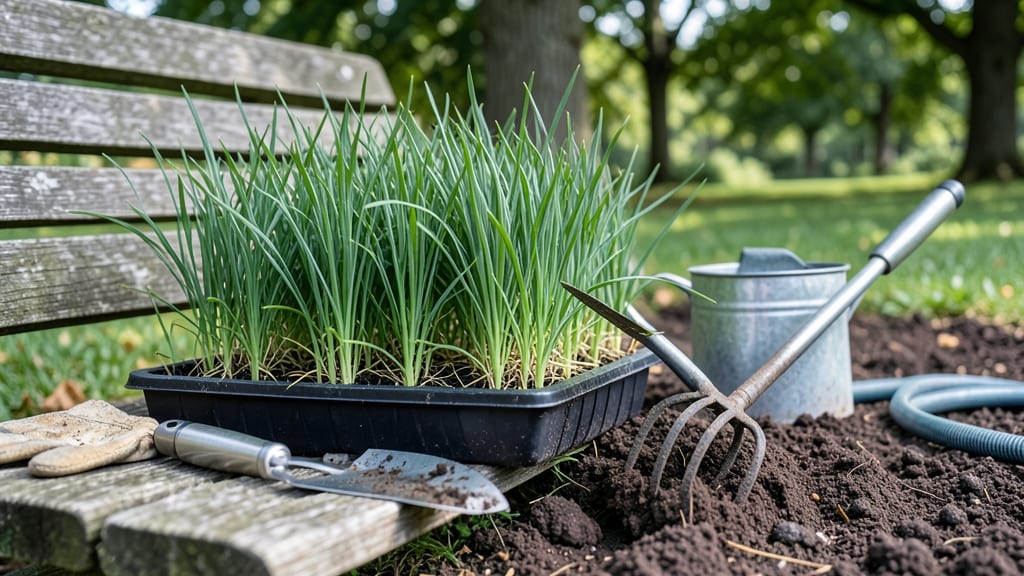
Planting fescue in North Texas at the wrong time can mean the difference between a lush, green lawn and a patchy, struggling yard.
The key to success lies in timing—specifically, late summer to early fall—when temperatures start cooling and your grass has the best chance to establish strong roots before winter sets in.
If you’ve ever watched your fescue seeds struggle under North Texas’ scorching summer heat or freeze too early in the season, you know how critical this window is.
The ideal months—August through October—align perfectly with USDA Zone 8a’s climate, giving your grass the 4-6 weeks it needs to take hold before the first frost hits around mid-November.
But here’s the thing: not all planting windows are created equal. Plant too early, and the summer heat will dry out your soil before roots can form. Too late, and your fescue might not have enough time to recover before winter dormancy kicks in.
I’ll break down exactly how to time your planting for maximum success—plus, how to adjust for microclimates like Dallas’ urban heat islands or the cooler hills of Wichita Falls.
Ready to transform your lawn? Let’s dive into the best months to plant fescue in North Texas, along with soil prep tips and care strategies that actually work for our region’s unique challenges. Your perfect green lawn starts with the right timing—and this is how you get it right.
Best planting months for fescue in North Texas: avoid these critical mistakes
North Texas’ hot summers and cool winters create a tight window for planting fescue. Miss the mark, and your grass may struggle to establish before extreme heat or frost sets in.
The ideal planting window is late summer to early fall, specifically September through October, when soil temperatures drop below 80°F but stay above 50°F.
This timing aligns with North Texas’ USDA Zone 8a, where the first frost typically arrives around November 15. Planting 4-6 weeks before frost gives fescue seeds enough time to germinate and develop a strong root system before winter dormancy.
For example, seeding in early September ensures roots establish before the first frost.
Here’s why timing matters: Planting in late spring or summer exposes fescue to intense heat stress, causing seeds to dry out or sprout weakly. Conversely, planting in late fall or winter risks frost damage before roots take hold.
Microclimates like Dallas’ urban heat or Wichita Falls’ cooler nights can shift this window by 1-2 weeks.
Soil temperature is your best guide. Use a soil thermometer to confirm readings between 60°F and 75°F—the sweet spot for fescue germination. In North Texas’ DFW area, this usually occurs in late August to early October, but always check local forecasts for heatwaves or early frosts.
If you’re in a shadier microclimate (e.g., under trees), you can push planting to early November, as cooler temperatures slow seedling stress. However, avoid planting after November 15, as frost can kill young seedlings before they establish.
| Timing | Soil Temp | Risk Level | Action |
|---|---|---|---|
| Late August | 70-80°F | Low (heat stress) | Best for early starters |
| September | 65-75°F | Optimal | Ideal planting window |
| October | 55-65°F | Low (frost risk) | Last chance for establishment |
| November | Below 50°F | High (frost damage) | Avoid planting |
For tall fescue varieties like ‘Titan’ or ‘Kentucky 31’, which are popular in North Texas, the September window is critical. These types need 60-70 days to establish before winter, so planting in mid-to-late September ensures they’re ready by November 15.
Fine fescue, like ‘Creeping Red’, can handle slightly cooler soils but still benefits from September planting.
If you miss the fall window, your only option is late winter planting (February), but this is risky. Seedlings may struggle with spring heat spikes or drought stress. Always prioritize fall planting for the best results in North Texas’ climate.
Pro tip: If your lawn has bare patches, overseed in September to fill gaps before winter. Use a slit seeder to ensure seeds make contact with soil, and water lightly twice daily until germination (about 10-14 days).
Remember, consistent moisture is key during establishment. Fescue seeds need 1-1.5 inches of water per week to germinate properly. In North Texas’ dry air, morning watering reduces evaporation and fungal risks.
Best planting months for fescue in North Texas: avoid these critical mistakes
North Texas’ USDA Zone 8a climate creates a narrow but critical window for planting fescue. The ideal months are late August through October, when daytime temperatures dip below 85°F and nighttime lows stay above 50°F.
This range gives your grass 4-6 weeks to establish roots before the first frost hits around mid-November.
Planting outside this window risks heat stress (early summer) or winter dormancy (late fall). For example, fescue planted in June or July often struggles to germinate in 100°F+ soil, while seeds sown in November may not survive freezing nights.
The key is aligning with cooler temperatures and consistent moisture—both hallmarks of North Texas’ fall season.
| Month | Soil Temp (°F) | Germination Risk | Best For |
|---|---|---|---|
| June | 90-100°F | High (heat stress) | Emergency repairs only |
| July | 95-105°F | Very High (dormancy) | Avoid |
| August | 85-90°F | Moderate (manageable) | Ideal start |
| September | 75-85°F | Low (optimal) | Best window |
| October | 65-75°F | Low (root growth) | Last chance |
| November | 50-60°F | High (frost risk) | Avoid |
Microclimates in North Texas—like Dallas’ urban heat islands or Wichita Falls’ cooler hills—can shift your ideal window by 1-2 weeks.
For example, if you’re in Dallas (Zone 8b), aim for late August to early October, while Lubbock (Zone 8a) gardeners should plant by mid-September to avoid early frosts. Always check your local first frost date and plant 4-6 weeks prior.
Another critical factor is soil moisture. Fescue seeds need consistent dampness to germinate, so avoid planting during drought conditions (common in September). If your area experiences extended dry spells, consider pre-watering your lawn 24 hours before seeding or using a light mulch layer to retain moisture.
Finally, don’t overlook seed variety. Tall fescue (e.g., ‘Kentucky 31’) tolerates slightly warmer soils than fine fescue, making it a better choice for late August plantings. If you’re in a shadier yard, opt for creeping red fescue, which establishes faster in cooler fall temperatures.
Your choice directly impacts how quickly your lawn fills in.
Timing your fescue planting right isn’t just about the calendar—it’s about reading your local climate cues. By aligning with fall’s cooler temps, consistent moisture, and microclimate adjustments, you’ll give your grass the best shot at thriving year-round.
Ready to prep your lawn? Let’s walk through the step-by-step guide next to ensure your fescue takes root like a pro. 🌱