
Plants
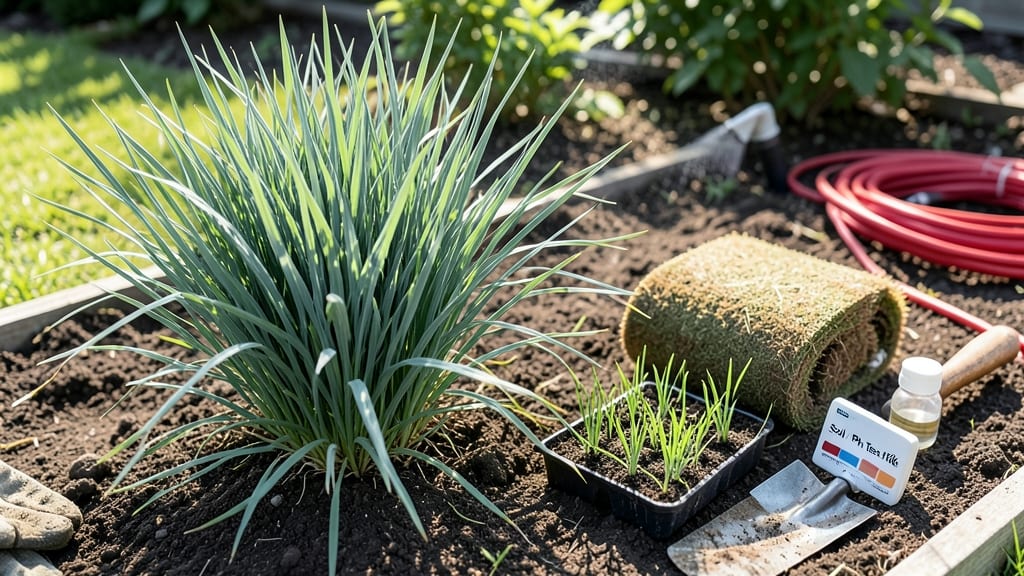
Timing your fescue planting in South Carolina isn’t just about picking a month—it’s about beating the heat and humidity to give your grass the best shot at thriving.
With USDA zones 7b-8a and summers that can feel like an oven, planting too early risks stressing young roots, while waiting too long means winter frost might cut growth short.
Most gardeners swear by late summer to early fall (August-October) as the sweet spot, but even then, coastal areas and the Piedmont have different rules. I’ll break down exactly when to plant based on your microclimate, so you can avoid common mistakes like patchy lawns or wasted seed.
Whether you’re seeding a new yard or overseeding an existing one, getting this right saves time, money, and frustration. Let’s dive into the best planting windows—and why fall is your secret weapon for lush, low-maintenance grass in SC’s climate.
You’ll also discover how tall fescue and fine fescue varieties handle heat differently, plus soil prep tips to ensure your new grass takes root before winter sets in. Ready to transform your lawn? Let’s get started.
Best planting months for fescue in South Carolina by region
South Carolina’s humid subtropical climate creates three distinct regions—Upstate, Piedmont, and Coastal—each with unique planting windows for fescue. The ideal time balances soil warmth, rainfall, and avoiding summer heat stress. For most of SC, late summer to early fall (August–October) is perfect, but microclimates shift these timelines slightly.
In the Upstate (USDA Zone 7b), cooler temperatures arrive earlier. Plant fine fescue as early as late July to take advantage of 60–70°F soil temps before summer’s last heatwave.
The Piedmont (Zone 8a) has a slightly longer window—mid-August to early October—where humidity drops and evening dew supports seed germination.
The Coastal Plain (Zone 8a) demands precision: plant tall fescue between August 15 and September 15 to avoid hurricane season’s late rains or winter’s salt spray near the shore. Coastal areas also face higher fungal risks if planted too late, so prioritize well-draining soil and aeration.
| Region | USDA Zone | Ideal Planting Window | Key Considerations |
|---|---|---|---|
| Upstate | 7b | Late July–Early September | Cooler soils, lower humidity |
| Piedmont | 8a | Mid-August–Early October | Moderate rainfall, less fungal risk |
| Coastal Plain | 8a | August 15–September 15 | Avoid hurricanes, salt spray |
Soil temperature is your biggest indicator for success. Use a soil thermometer to confirm 60–70°F at 4-inch depth—this is when fescue seeds germinate fastest. In Upstate SC, this often aligns with mid-August, while Coastal areas may need to wait until early September to avoid heat stress.
Rainfall patterns also play a role. The Piedmont’s September is ideal because hurricane season’s heavy rains have passed, but coastal areas should plant before October’s increased humidity, which can promote fungal diseases like brown patch. Aim for 1–1.5 inches of rain weekly post-planting to keep seeds moist without waterlogging.
If you’re overseeding existing lawns, the Piedmont’s late August is your best bet. This timing lets new fescue blades establish before winter dormancy sets in. For new lawns, spread seed in early September across all regions to allow 4–6 weeks of growth before first frost (mid-November).
Pro tip: Test your soil’s pH (ideal range: 6.0–7.0) before planting. Coastal soils often test slightly acidic due to saltwater influence, so amend with lime if needed. In the Upstate, clay-heavy soils benefit from compost mixing to improve drainage.
Miss the optimal window? Don’t panic. Spring planting (March–April) is possible but riskier—summer heat can scorch young seedlings. If you must plant late, choose heat-tolerant varieties like ‘Turf Type Tall Fescue’ and water deeply twice weekly to support root growth.
For year-round green lawns, consider overseeding in fall and spring, but prioritize fall for deep root establishment. Fine fescue handles Coastal shade better, while tall fescue thrives in Piedmont sun—pick your variety based on your yard’s light conditions.
Best planting months for fescue in South Carolina by region
South Carolina’s three distinct regions—Upstate, Piedmont, and Coastal—each demand different fescue planting windows due to temperature variations and rainfall patterns. The Upstate’s cooler nights and milder summers allow for slightly earlier seeding, while Coastal areas’ higher humidity and heat require precise timing to avoid fungal issues.
Let’s break it down by region so you can plant with confidence.
In the Upstate (USDA Zone 7b), aim for late August to early September. This gives seeds time to germinate before temperatures dip below 60°F at night, which is critical for root development.
The Piedmont (Zone 8a) follows a similar window but extends slightly into mid-October due to its warmer microclimates. Coastal SC (Zone 8a) demands the tightest window: early September to early October.
Why the difference? Coastal areas retain heat longer, and humidity spikes in late summer can smother young seedlings. Planting too early risks heat stress or fungal diseases, while waiting too late leaves grass vulnerable to winter dieback before roots establish.
Always check your local first frost date—most of SC sees frost by mid-November, so aim to plant 4-6 weeks before.
| Region | Ideal Planting Window | Key Considerations | Soil Temp Goal |
|---|---|---|---|
| Upstate (Zone 7b) | Late August - Early September | Cooler nights, lower humidity | 60-75°F |
| Piedmont (Zone 8a) | Late August - Mid-October | Warmer microclimates, moderate rain | 65-78°F |
| Coastal (Zone 8a) | Early September - Early October | High humidity, heat retention | 60-72°F |
Pro tip: Test your soil temperature before planting—use a soil thermometer to ensure it’s above 55°F at a 2-inch depth. Cool soil slows germination, and SC’s unpredictable September weather can swing from 90°F to 60°F in days.
If your soil is too cool, wait a week or two for consistent warmth.
For overseeding existing lawns, follow the same regional rules but add a light raking to loosen soil and improve seed-to-soil contact. Coastal areas benefit from a pre-emergent fungicide applied 2 weeks before seeding to combat brown patch disease, common in humid conditions.
Always water deeply after planting to encourage root penetration.
Remember: Fall planting is your best bet for deep root establishment before winter dormancy. By planting in the optimal window, you’ll skip the summer stress that plagues spring-seeded lawns and enjoy a thicker, greener lawn by next spring. 🌱