
Trees
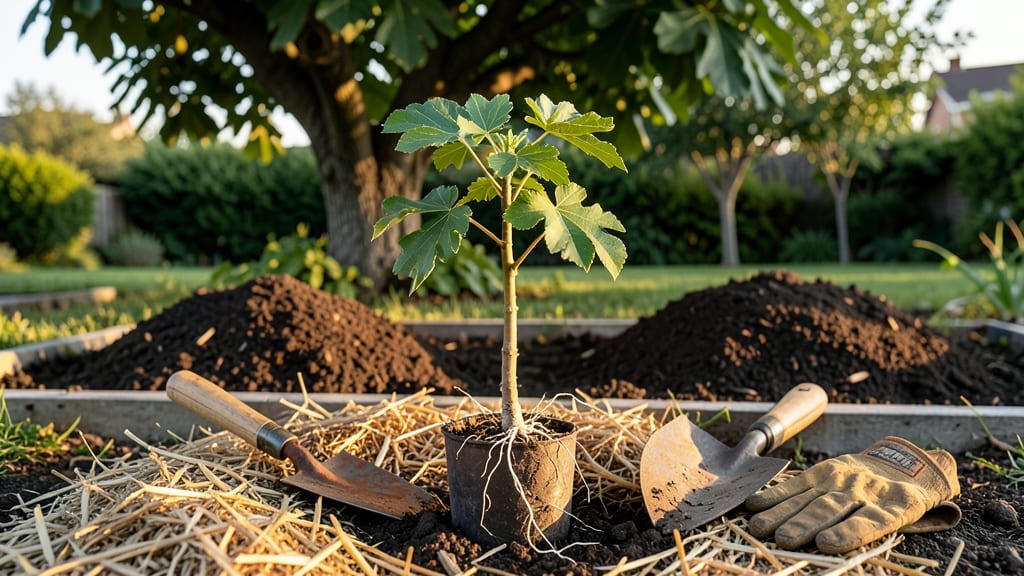
If you're dreaming of planting fig trees in North Carolina to harvest sweet, sun-ripened figs 🍈, getting the timing right is the key to success. Planting your fig tree at the wrong time could mean frost damage or stunted growth, especially with NC's unpredictable climate swings between zones 7a-8b.
Most gardeners assume spring is the only window, but fall planting actually gives fig trees a head start in warmer months. The secret lies in understanding your specific region's last frost dates—whether you're in Raleigh's coastal plains or Asheville's mountain climate—and how that affects your planting schedule.
I'll show you exactly when to plant for maximum growth, whether you're working with containers or in-ground planting. With the right timing, you could be enjoying your first harvest as early as August—and that's a reward worth waiting for.
Ready to turn your fig tree dreams into reality? Let's dive into the perfect planting windows that work with NC's unique growing seasons, not against them.
North Carolina’s fig planting zones: when frost risk drops to zero
North Carolina’s diverse climate means fig trees thrive in some regions but struggle in others—it all comes down to USDA zones and last-frost dates.
The state spans USDA zones 6b to 8b, with coastal areas (zone 8a) enjoying zero frost risk by March 1, while mountain regions (zone 6b) may face late frosts until April 15. Understanding these zones helps you avoid planting too early and risking frost damage.
Fig trees are tender perennials that despise cold snaps, so timing your planting after the average last frost date is critical. In Raleigh (zone 7b), the last frost typically occurs around March 15, while Asheville (zone 7a) often waits until April 1.
Coastal cities like Wilmington (zone 8a) can plant as early as February 15, giving them a longer growing season for fruit production.
Here’s the key rule: Plant fig trees after soil temperatures consistently stay above 60°F (15°C)—this ensures roots establish without shock. Use a soil thermometer to check, especially in cooler microclimates like valleys or shaded areas.
If you’re in zone 7a or colder, wait until mid-April to be safe.
North Carolina’s microclimates add another layer of complexity. For example, Charlotte (zone 7b) may see warmer pockets in urban areas, while nearby rural spots could still experience late frosts. Always monitor local weather forecasts and use historical frost data from your county extension office for precision planting.
For container-grown figs, you have more flexibility—you can plant 2-4 weeks earlier than in-ground trees because pots warm up faster.
However, hardy varieties like ‘Celeste’ or ‘Brown Turkey’ can tolerate brief cold snaps down to 20°F (-7°C) with proper protection, making them ideal for earlier planting in zones 7a-7b.
If you’re planting in fall (September-October), aim to do so 6-8 weeks before the first frost to allow roots to establish. In zone 8a, this might mean planting by late September, while zone 7a gardeners should wait until early October.
Fall planting gives fig trees a head start on root growth before winter dormancy.
| Region | USDA Zone | Avg. Last Frost | Ideal Planting Window | Notes |
|---|---|---|---|---|
| Coastal (Wilmington, Morehead City) | 8a | Feb 15 - Mar 1 | Feb 20 - Apr 15 | Longest growing season; minimal frost risk |
| Piedmont (Raleigh, Durham) | 7b | Mar 15 | Mar 20 - Apr 30 | Moderate frost risk; use cold-hardy varieties |
| Mountains (Asheville, Boone) | 7a | Apr 1 | Apr 15 - May 15 | Late frosts common; plant in containers for flexibility |
| Sandhills (Fayetteville) | 7b-8a | Mar 1 - Mar 15 | Mar 10 - Apr 10 | Dry climate; amend soil with organic matter |
| Charlotte Metro | 7b | Mar 10 | Mar 15 - Apr 20 | Urban heat islands may allow earlier planting |
To maximize success, pair your planting timeline with soil preparation. Figs thrive in well-draining soil with a pH of
Best months to plant fig trees in NC: container vs. ground planting
North Carolina’s spring and fall seasons offer the best windows for planting fig trees 🍈, but the approach differs dramatically between container gardening and in-ground planting. While in-ground figs need soil temperatures above 60°F to thrive, container-grown figs give you more flexibility to plant earlier or later.
For in-ground planting, aim for March through April after your region’s last frost date. Soil temperatures must stay consistently above 60°F for roots to establish properly. In coastal NC, this often means late March, while mountain regions like Asheville may wait until early April.
If you prefer fall planting, September through October works beautifully. Figs planted in fall have time to develop roots before winter dormancy, giving them a head start in spring. Just avoid planting after mid-October, as young roots won’t have enough time to harden off before frost.
| Planting Method | Best Months | Soil Temp Requirement | Key Consideration |
|---|---|---|---|
| In-Ground | March-April or September-October | Above 60°F | Wait for last frost; amend soil with compost. |
| Container | February-April or August-October | Above 50°F (flexible) | Move pots indoors if frost threatens; use larger pots for stability. |
| Bare-Root | Late March-April | Soil thawed | Plant immediately after purchase; soak roots before transplanting. |
Container-grown figs are far more adaptable. You can plant them as early as February in pots and move them outdoors once temperatures stabilize. This flexibility lets you beat the rush of spring planting and avoid competition with other gardeners.
Just ensure your containers have drainage holes and use a well-draining potting mix to prevent root rot.
For bare-root fig trees, timing is critical. These must be planted immediately after purchase, ideally in late March or April, when the ground is workable but not waterlogged.
Soak the roots for 1-2 hours before planting to kickstart growth. Avoid planting bare-root figs in fall, as they lack the energy reserves to survive winter dormancy.
No matter your method, always choose a sunny, sheltered spot—figs hate cold winds and need 6-8 hours of sunlight daily. With the right timing and care, your fig tree could be bearing fruit by next summer! 🌿