
Flowers
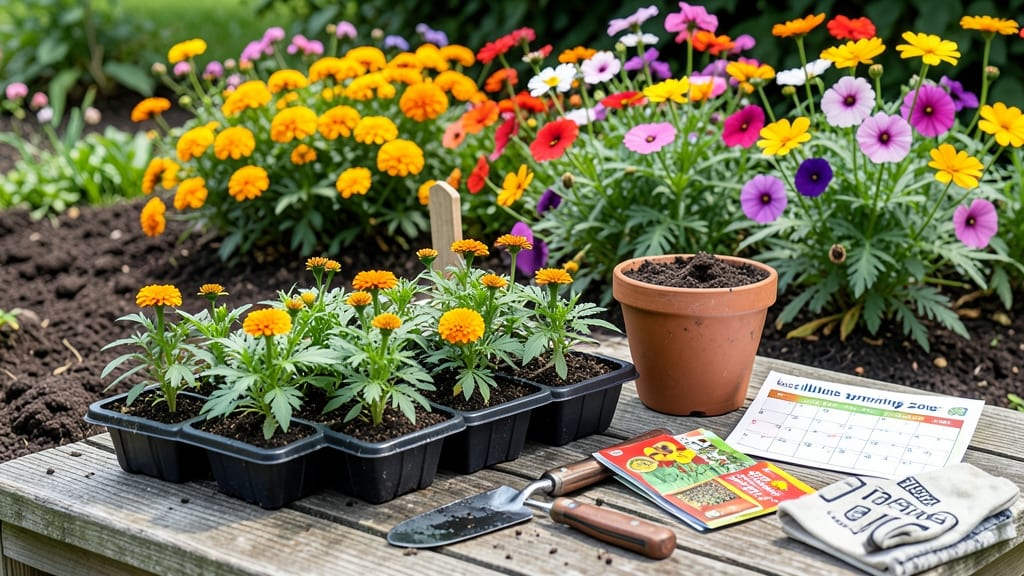
Timing your flower seeds planting in Illinois isn't just about following a calendar—it's about unlocking the full potential of your garden.
With Zone 5-6 frost dates ranging from mid-April to mid-October, getting those seeds in the ground at the right moment can make the difference between a vibrant summer display and a season of disappointment.
I've spent years watching gardens thrive (and sometimes struggle) in Illinois' unpredictable climate, and the key is understanding when to start.
Whether you're dreaming of bright petunias in June or hardy pansies braving early spring, knowing the exact windows for planting—like March to May for most annuals—sets you up for success.
But here's the thing: Illinois isn't one-size-fits-all. Northern areas might need to wait until late May, while southern regions can start earlier.
We'll break down the perfect planting months for every type of flower, plus how to adjust for late frosts or heatwaves that can throw off even the best-laid plans.
Ready to transform your garden into a year-round blooming paradise? Let's dive into the exact calendar and tips that'll have your 🌸 flower seeds growing strong, no matter where in Illinois you're planting.
Illinois flower seed planting calendar: exact months by flower type
Illinois' Zone 5-6 climate creates a unique growing window for flower seeds, where timing can make or break your blooms. The last average frost date typically falls around mid-April in northern Illinois and early April in southern regions, while the first frost arrives in mid-October.
This gives you roughly 165 frost-free days—perfect for both spring and fall planting.
For annual flowers like marigolds and petunias, the ideal planting window is April to early May, once soil temperatures hit 60°F (15°C). Perennial seeds, such as coneflowers and black-eyed Susans, should go in the ground 4-6 weeks before the last frost (around March to early April) for established roots before summer heat arrives.
Don't overlook fall planting! Many cold-hardy annuals like pansies and snapdragons thrive when sown in August to early September. These flowers germinate in cool soil and bloom beautifully through fall and early winter, adding color when other plants fade.
Here’s your Illinois flower seed planting calendar broken down by flower type and season:
If you’re starting seeds indoors, begin 6-8 weeks before the last frost (around February to early March). Use grow lights to supplement natural light, as Illinois winters leave short daylight hours. Harden off seedlings by mid-April to prepare them for outdoor conditions.
For late bloomers like cosmos and sunflowers, you can even sow seeds directly in the soil in June. These fast-growing annuals tolerate heat and still produce stunning blooms by late summer. Just ensure they receive consistent moisture during establishment.
Pro tip: Use a planting calendar app or check the University of Illinois Extension for local frost dates—these can vary by 1-2 weeks depending on your exact location in the state. Adjust your schedule accordingly to avoid frost damage or overcrowding.
Remember, soil preparation is just as critical as timing. Amend your garden beds with compost and a balanced fertilizer (10-10-10) before planting to give seeds the nutrients they need to thrive. Mulch after germination to retain moisture and regulate soil temperature.
With this Illinois-specific planting calendar, you’ll be well on your way to a vibrant, year-round garden—whether you’re a seasoned gardener or just starting out. Happy planting! 🌸
How to adjust planting times for Illinois microclimates and frost risks
Illinois' Zone 5-6 climate might seem straightforward, but microclimates can shift your ideal planting window by weeks. I've seen urban heat islands in Chicago push spring planting back by 10 days, while rural areas in northern Illinois may need to wait until early June for safety.
These variations mean your neighbor's perfect timing might not work for you.
Start by checking your last frost date—typically mid-April in southern Illinois but late May in the north. Use the University of Illinois Extension's frost map to pinpoint your exact zone.
For delicate flowers like marigolds or petunias, waiting until two weeks after the average last frost is safer than rushing.
The biggest risk? Late frosts in May that can wipe out tender seedlings. I once lost an entire row of cosmos because I planted too early in Champaign. To protect your investment, use row covers or cold frames for the first 2-3 weeks after planting.
These simple tools can extend your growing season by 3-4 weeks without chemicals.
For fall planting, aim for 8-10 weeks before your first frost (usually mid-October). Pansies and snapdragons thrive when sown in August—they need time to establish roots before winter. In southern Illinois, you might squeeze in a late September planting, but northern areas should finish by mid-August.
Elevated areas or windy sites dry out faster, so adjust your watering schedule even if planting times stay the same.
I recommend testing your soil's moisture retention with a simple stick test: Push a wooden dowel into the ground—if it comes out dry after 24 hours, you're in a fast-draining zone and should plant drought-tolerant varieties like lantana or black-eyed Susans.
Pro tip: Keep a gardening journal for 2-3 years to track your local patterns. Note when unexpected frosts occur or when flowers bloom earliest. Over time, you'll develop a custom planting calendar that beats the generic Zone 5 advice. Your future self (and your garden) will thank you!