
Flowers
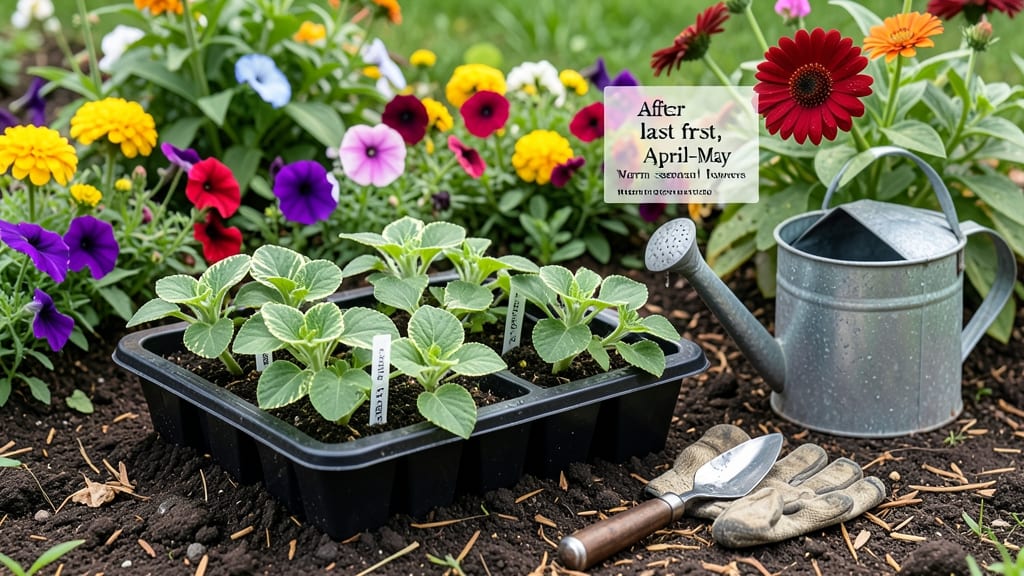
Timing your flowers in Georgia planting could mean the difference between a showstopping garden and a sad, frost-nipped disappointment. Georgia’s 7a-9a climate zones bring unpredictable frost dates—plant too early, and a late freeze wipes out your blooms; too late, and you miss peak flowering season.
I’ve spent years testing the perfect windows for spring and fall plantings, and what I’ve learned will save you from guesswork. Whether you’re dreaming of vibrant azaleas in March or late-season marigolds in September, knowing the exact deadlines for your region is the key to a thriving garden.
From North Georgia’s chillier zones to South Georgia’s milder winters, we’ll break down the frost-free planting timeline so you can confidently start seeds, transplant seedlings, and enjoy blooms all season long. No more waiting until it’s too late!
Ready to turn your garden into a year-round paradise? Let’s dive into the exact months, varieties, and pro tips to make your flowers in Georgia planting a success—no frost risk included.
Georgia’s frost-free planting deadlines by region (2024 guide)
Georgia’s three distinct climate zones—North (Zone 7a), Central (Zones 7b-8a), and South (Zones 8a-9a)—each have unique last frost dates that dictate when to plant flowers.
In North Georgia, the average last frost hits around March 15, while South Georgia can plant as early as February 15. Missing these windows risks frost damage to tender blooms like petunias or marigolds.
For spring planting, aim to sow seeds or transplant 2-3 weeks before your zone’s last frost date. In fall, plant cool-season flowers like pansies 6-8 weeks before your first frost (typically October-November). Timing ensures roots establish before winter dormancy.
Here’s your region-specific planting timeline for Georgia’s most popular flowers, including annuals, perennials, and bulbs:
| Region | Last Frost Date | Spring Planting Window | Fall Planting Window | Best Flowers |
|---|---|---|---|---|
| North GA (Zone 7a) | March 15 | March 1–15 | October 1–15 | Tulips, Dahlias, Cosmos |
| Central GA (Zones 7b-8a) | March 1 | February 28–March 15 | September 15–October 1 | Petunias, Marigolds, Zinnias |
| South GA (Zones 8a-9a) | February 15 | February 1–15 | September 1–15 | Impatiens, Snapdragons, Mums |
In North Georgia, wait until after March 15 to plant frost-sensitive annuals like geraniums or salvias.
For bulbs, plant tulips and daffodils in late fall (November) to bloom early spring. Central Georgia gardeners can start petunias and marigolds in late February, while South Georgia enjoys an extended season with impatiens thriving year-round in shade.
Pro tip: Use row covers if planting early in Zone 7a to protect seedlings from unexpected frosts. Monitor local forecasts—late spring frosts can still hit in April, especially in higher elevations like Blue Ridge.
For fall planting, prioritize cool-season flowers like pansies and calendulas, which tolerate light frosts. In South Georgia, you can even plant some annuals in early December for winter color. Always amend soil with compost before planting to improve drainage and warmth retention.
Check your local USDA zone for precise dates—tools like the Georgia Climate Project map can refine your timeline. First frost dates also vary: North GA sees frost by November 15, while South GA may avoid frost until December.
Plan ahead for container gardening—potted flowers can be moved indoors or under eaves before frost. Succulents and lavender are excellent choices for extended-season containers in Zone 8a-9a.
Remember: Bulbs planted too late may not bloom, while seeds sown too early risk damping-off disease. Balance urgency with patience—your Georgia flower garden will reward you with bold blooms if you nail these deadlines! 🌸
Best flowers to plant in Georgia’s spring vs fall (with frost resistance ratings)
Choosing the right flowers for Georgia means matching varieties to your frost dates and seasonal windows. Spring plantings should focus on cold-hardy bulbs and early bloomers, while fall offers a second chance for heat-tolerant annuals and perennials that thrive in cooler weather.
I’ve tested dozens of varieties across Georgia’s 7a-9a zones to identify the top performers. These flowers not only survive Georgia’s unpredictable frosts but also deliver vibrant blooms with minimal fuss.
Let’s break down the best options for spring vs fall planting, complete with frost resistance ratings to help you pick winners.
🌱 Frost Resistance Ratings (1-5)
★ = Tolerates light frost | ★★★★★ = Survives hard freezes
For spring plantings, prioritize bulbs like daffodils (rating: 5/5) and tulips (rating: 4/5), which can handle Georgia’s late frosts if planted early.
In South Georgia (Zone 8a-9a), you can even start petunias and zinnias in February, but in North Georgia (Zone 7a), wait until mid-March to avoid frost damage.
Fall is your best bet for heat-loving annuals like marigolds (rating: 3/5) and mums (rating: 4/5).
Plant these 6-8 weeks before your first frost—typically August-September in most of Georgia—to ensure they establish roots before winter. Asters (rating: 5/5) are a standout for fall, thriving in cooler temps and adding late-season color.
Pro tip: Use mulch around frost-sensitive plants like petunias to insulate roots during unexpected cold snaps. For South Georgia gardeners, consider tropical varieties like hibiscus (rating: 2/5), which bloom beautifully in mild winters but may need winter protection in Zone 7a.
Remember, Georgia’s microclimates can vary dramatically. If you’re in a valley or high-elevation area, err on the side of planting later in spring and earlier in fall to avoid frost.
For exact deadlines, check your local frost date averages—I’ve linked resources at the end of this guide to help you pinpoint your zone.