
Flowers
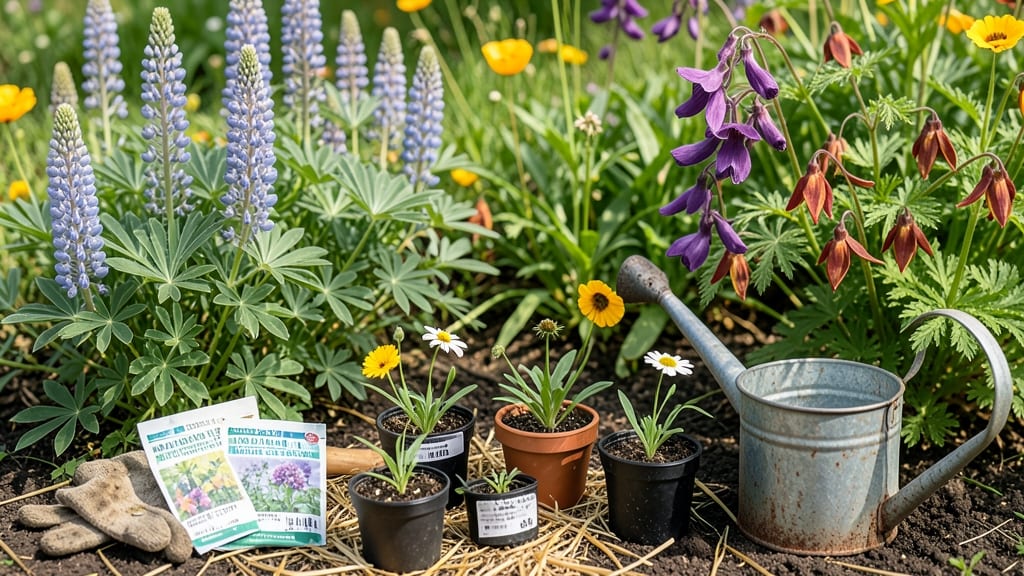
Timing your flowers planting in Montana isn’t just about the calendar—it’s about reading the land’s whispers. Indigenous tribes have mastered this art for generations, using moon phases to guide when to tuck seeds into the earth for vibrant blooms that survive harsh winters and short summers.
If you’ve ever wondered why some gardens thrive while others struggle, the answer lies in understanding Montana’s USDA zones 3-7 and the ancient wisdom of lunar cycles.
Whether you’re planting hardy perennials or delicate annuals, aligning your schedule with these natural rhythms can mean the difference between a frost-kissed failure and a garden bursting with color.
I’ll show you exactly when to start seeds, transplant seedlings, and coax blooms from the soil—all while respecting Montana’s unpredictable climate.
From the first frost dates in April to the last harvests in fall, we’ll cover everything you need to know to grow a garden that feels as timeless as the mountains themselves.
Ready to unlock the secrets of Indigenous planting wisdom? Let’s dive into the moon phases, frost dates, and flower varieties that will make your Montana garden the envy of the neighborhood.
Montana’s ideal flower planting windows by moon phase and climate zone
Montana’s diverse climate—spanning USDA hardiness zones 3-6—means your planting schedule should adapt to both last frost dates and Indigenous lunar wisdom. Tribes like the Blackfeet and Salish timed plantings with moon phases to maximize survival, and we can borrow their strategies today.
For example, spring bulbs like daffodils thrive when planted under a waxing moon in September or October, while annuals like sunflowers should go in after the last frost (April-May).
The key is aligning moon phases with Montana’s five climate zones. Western Montana (zones 4-5) has earlier frost-free dates than Eastern Montana (zones 3-4), so adjust timelines accordingly. For instance, Missoula’s last frost typically falls on May 15, while Billings’ is closer to April 30.
This 10-day difference can mean the difference between thriving blooms and frost-nipped failures.
Here’s how to sync your planting with both celestial cycles and Montana’s microclimates:
For spring plantings, focus on perennials and bulbs during the waxing moon (when roots grow best). In Western Montana, this means starting indoor seeds in March under grow lights, then transplanting outdoors in late April or May.
In Eastern Montana’s colder zones, delay until mid-May to avoid frost damage.
Indigenous gardeners also used the “Planting Moon”—a 29.5-day lunar cycle—to determine when to sow seeds. For example, the Blackfeet Nation planted sunflowers during the Full Moon in June, ensuring they’d mature before first frost in September.
This timing works perfectly for Montana’s 90-150 frost-free days, giving flowers enough time to establish roots and bloom.
If you’re planting fall flowers like mums or asters, aim for the waning moon in August or September. These cool-season bloomers thrive when days shorten, and planting them under a waning moon reduces bolting (premature flowering).
In Missoula (zone 5), this means getting seeds in the ground by August 15, while Glacier National Park (zone 3) gardeners should wait until September 1.
Pro tip: Use row covers or cold frames to extend Montana’s growing season by 2-4 weeks. This lets you plant earlier in spring or later in fall, giving you more lunar cycles to work with.
For instance, covering pansies with a floating row cover can push their planting window back to March in Western Montana, where frost dates are earlier.
Remember, Montana’s altitude variations also play a role. Gardens in Bozeman (5,000 ft) have a shorter growing season than those in Great Falls (3,500 ft), so adjust your moon phase planting accordingly. For example, sweet peas can be sown in March in Great Falls
Native Montana wildflowers vs. non-native annuals: best planting months compared
Montana’s Indigenous tribes have long cultivated drought-resistant wildflowers like blanketflower (Gaillardia) and columbine (Aquilegia), which thrive with minimal intervention. These natives align perfectly with Montana’s USDA zones 3-6 and require far less water than non-native annuals like marigolds or zinnias.
Understanding their planting windows can mean the difference between a vibrant garden and a struggle.
For native wildflowers, the best planting window is late spring (May) to early summer (June), after the last frost but before summer heat peaks. This timing ensures roots establish before Montana’s dry spells.
Non-native annuals, however, often need an earlier start—2-4 weeks before the last frost (typically mid-April)—to bloom by summer.
Soil prep also varies wildly. Natives like blanketflower prefer well-draining, rocky soil—just like Montana’s natural landscapes—while non-natives often demand richer, amended soil. Indigenous gardeners would never fertilize natives, but non-natives may need a balanced 5-10-10 fertilizer every 4-6 weeks for consistent blooms.
| Plant Type | Best Planting Month | Soil Needs | Water Needs | Bloom Guarantee |
|---|---|---|---|---|
| Native Wildflowers (e.g., blanketflower) | May-June | Well-draining, rocky | Low (drought-tolerant) | Summer-fall, reliable |
| Non-Native Annuals (e.g., marigolds) | April (2-4 wks before frost) | Rich, amended | Moderate (1-2x/week) | Summer, needs care |
If you’re in Western Montana (zones 4-5), aim for late May planting for natives to avoid early summer drought. In Eastern Montana (zones 3-4), start seeds indoors by March for non-natives to beat the shorter growing season.
Indigenous gardeners would also mulch heavily with straw or pine needles to retain moisture—something non-natives can’t always handle without extra water.
For longer blooms, mix natives and non-natives. Plant columbine in spring (March-April) for early color, then add zinnias in May for summer. This strategy mimics Montana’s natural wildflower succession, where early bloomers give way to late-season stars like goldenrod.
Remember: Natives like lupine and penstemon often self-seed, while non-natives may need replanting yearly. Choose based on your water availability and maintenance goals—Indigenous wisdom proves less is often more in Montana’s high deserts and mountains.