
Flowers
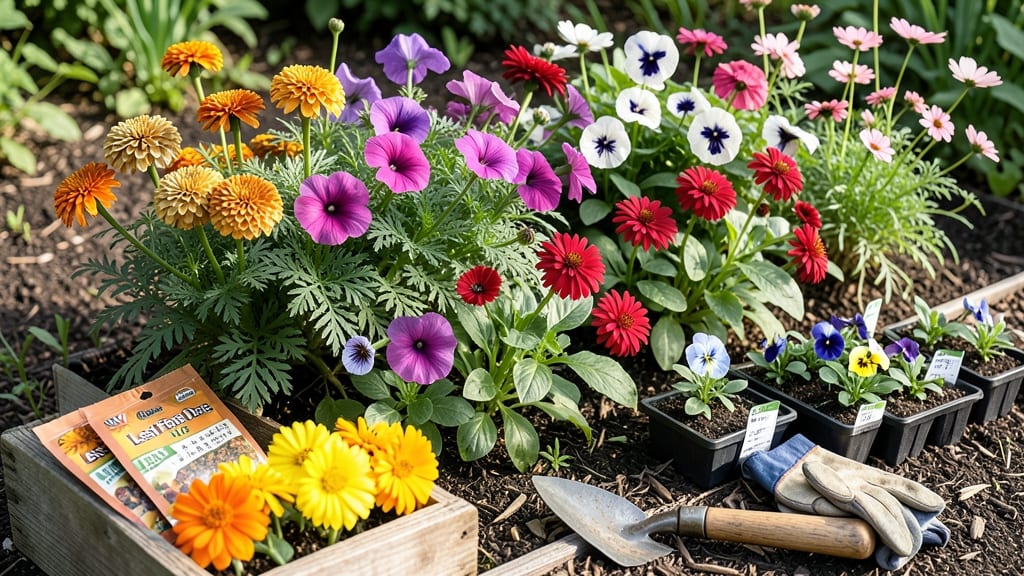
Timing your flower planting in New York can mean the difference between a vibrant garden and a sad, frostbitten mess—especially when those unpredictable spring frosts strike around April 15. If you’ve ever watched your delicate blooms wilt overnight, you know how frustrating it is to get the timing wrong.
The good news? With the right zone-specific calendar, you can avoid common mistakes like planting too early or too late. Whether you're in NYC or Upstate, understanding your local frost dates and microclimates is the key to zero-frost success.
I’ll break down exactly when to plant annuals, perennials, and bulbs so your garden thrives all season.
From cool-season champions like pansies to heat-loving zinnias, we’ll cover the best flowers for each planting window. You’ll also discover pro tips to extend your blooming season—like using row covers or strategic mulching—so you can enjoy flowers from spring through fall without the guesswork.
Ready to transform your garden into a year-round showstopper? Let’s dive into the exact planting schedule that works for New York’s unique climate, so you can finally say goodbye to frost-related disappointments.
NY planting zones explained: when to plant flowers by region (Upstate vs. NYC)
New York’s diverse climate—from USDA zones 5-7—means your last frost date could vary by 2-3 weeks depending on whether you're in Upstate NY or New York City.
For example, Albany (Zone 5b) typically sees its average last frost on April 20, while NYC (Zone 7a) warms up by April 10. These differences matter because planting annuals too early risks frost damage, while waiting too long can shorten your bloom season.
Microclimates add another layer of complexity. Urban areas like Brooklyn or Queens often experience earlier springs due to heat island effect, while rural areas may face later frosts. Even within cities, south-facing gardens warm up faster than north-facing spots.
To avoid guesswork, I recommend checking local frost maps (like the National Weather Service) and adjusting your planting timeline accordingly.
🌱
For annual flowers, I recommend starting seeds 6-8 weeks before your last frost date.
For example, if your last frost is April 20, begin sowing indoors by February 15. Perennials and hardy bulbs (like tulips or daffodils) can go in the ground as soon as the soil is workable, often 2-3 weeks before the last frost.
The key is monitoring soil temperature—it should stay above 40°F (4°C) for 7-10 days before planting.
Fall planting is another game-changer for NY gardeners. Many cool-season flowers (like pansies or snapdragons) thrive when planted in September. Aim to get them in the ground 6-8 weeks before your first frost—typically by September 15 in NYC and October 1 in Upstate areas.
This gives roots time to establish before winter, so they bloom earlier next spring.
One common mistake I see is planting tender annuals (like marigolds or zinnias) too early. These cannot tolerate frost and will die if temperatures dip below 50°F (10°C).
Instead, wait until nighttime temps stay above 55°F (13°C)—usually late May in Upstate NY and early May in NYC. For frost-sensitive perennials (e.g., lavender or Russian sage), hold off until after Memorial Day to be safe.
If you’re unsure about your exact frost dates, I suggest using a frost calendar app (like Frost Freeze) or checking with your local Cooperative Extension office. They often provide <
Best flowers to plant in NY by season: a month-by-month survival guide
New York’s diverse climate means your flower choices should shift with the seasons. In spring, focus on cool-hardy annuals like pansies and snapdragons that thrive in 40-50°F soil.
These frost-tolerant bloomers can handle late April frosts while still delivering vibrant color. My go-to spring starter? Violas—they bloom in 10-14 days and handle light frosts like a champ.
For summer, swap in heat-loving annuals such as zinnias, marigolds, and petunias. These sun-worshippers need 6+ hours of sunlight daily and consistent watering to prevent wilting.
I’ve found zinnias to be the most resilient—they bloom nonstop from June to frost with minimal care. Pro tip: Deadhead spent blooms to encourage longer flowering.
Don’t overlook fall planting! Cool-season favorites like mums and aster flowers thrive when planted in September. These late-season bloomers add color just as summer fades, and many varieties survive light frosts into November.
My personal favorite is ‘Autumn Joy’ sedum—it turns deep pink in fall and attracts pollinators.
Here’s a quick guide to the best flowers for each NY season, including their hardiness and bloom times:
If you’re planting bulbs, timing is everything. Tulips and daffodils should go in fall (October) for spring blooms, while alliums can handle late planting into November. I’ve had success with ‘Ice Follies’ daffodils—they multiply every year and push through snow for early color.
For container gardens, opt for compact varieties like bacopa or geraniums, which thrive in small spaces and partial shade. These are perfect for NYC balconies where space is limited. Remember: Containers dry out faster, so check soil moisture daily in summer.
Now that you’ve got the seasonal lineup, your next step is protecting your blooms from NY’s unpredictable frosts and pests. Stay tuned for my pro tips on extending your flower season—because nobody wants their garden to fizzle out before fall!