
Flowers
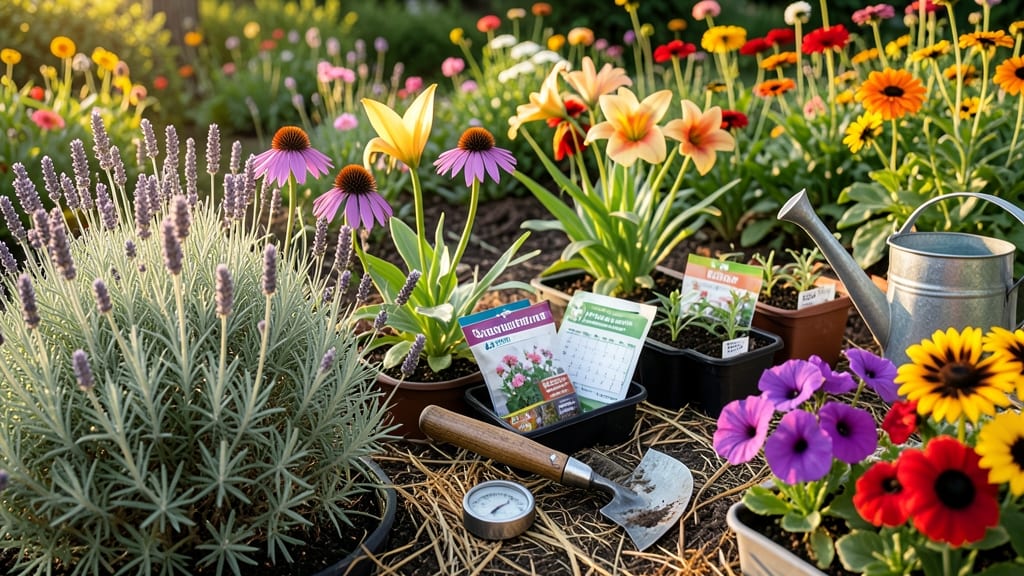
Timing your flower planting in Pennsylvania can mean the difference between vibrant blooms and wilted disappointment—especially with the state’s unpredictable frost cycles and diverse growing zones.
If you’ve ever stared at your garden calendar wondering when to plant flowers in Pennsylvania without clear answers, you’re not alone. The 5b-7a zones here create unique challenges, from early spring frosts to late-summer heatwaves that can throw off even the most seasoned gardeners.
What if you could finally master the perfect planting window? I’ll break down the exact months to plant annuals, perennials, and bulbs—plus how to beat frost surprises—so your 🌸 flowers thrive year after year.
Let’s dive into the zone-specific secrets that’ll have your garden bursting with color from spring through fall, no guesswork required.
Pennsylvania planting zones: when to start flowers by region
Pennsylvania spans USDA hardiness zones 5b through 7a, creating distinct planting windows across the state. The Keystone State’s last frost dates range from late March in southern zones to early May in northern regions, while first frosts arrive between mid-September and mid-October.
Understanding your specific zone ensures you plant flowers at the optimal time for zero-frost success.
For example, Zone 5b gardeners (like those in Pittsburgh) can start cool-season flowers like pansies in early March, while Zone 7a growers (such as those in Philadelphia) might wait until mid-April.
These differences impact everything from bulb planting to annual seed sowing. Let’s break down the key planting windows by zone to help you schedule your garden like a pro.
⚠️ NON-NEGOTIABLE: Always verify your exact last frost date using local weather records or the National Oceanic and Atmospheric Administration (NOAA) frost maps, as microclimates can shift planting windows by 1-2 weeks.
| Zone | Last Frost Date | First Frost Date | Ideal Planting Window | Key Flowers |
|---|---|---|---|---|
| 5b (Pittsburgh, State College) | Late April | Mid-October | March (cool-season flowers), May (warm-season annuals) | Tulips, Pansies, Marigolds, Zinnias |
| 6a (Harrisburg, Lancaster) | Early April | Late October | February (bulbs), April (annuals), September (fall perennials) | Daffodils, Petunias, Sunflowers, Coneflowers |
| 6b (Reading, Allentown) | Mid-March | Early November | January (bulbs), March (cool-season), May (warm-season) | Hyacinths, Snapdragons, Dahlias, Black-Eyed Susans |
| 7a (Philadelphia, Wilmington) | Early April | Mid-November | February (bulbs), April (annuals), September (fall planting) | Crocuses, Geraniums, Cosmos, Lavender |
Notice how Zone 5b has the latest frost dates, limiting early planting opportunities, while Zone 7a offers a longer growing season. This is why perennials thrive in Zone 6b—they get enough time to establish roots before winter.
For annual flowers, always wait until after the last frost to plant heat-lovers like marigolds or zinnias, even if your zone allows earlier sowing.
Another critical factor is soil temperature. Most flower seeds won’t germinate until soil reaches 55-65°F. Use a soil thermometer to confirm readiness, especially in cooler zones like Zone 5b, where March soil may still be too cold for warm-season flowers.
Pro tip: Cover seed beds with black plastic mulch 1-2 weeks before planting to warm the soil faster.
For bulbs like tulips and daffodils, plant them in fall (October-November)—they need cold stratification to bloom in spring. However, in Zone 7a, you can push this to early December if soil hasn’t frozen yet.
The key is planting 6-8 weeks before the first frost to allow roots to establish before winter.
Microclimates add another layer of complexity. Urban areas like Philadelphia (Zone 7a) often experience heat islands, delaying first frosts by 1-2 weeks compared to rural zones. Meanwhile, mountainous regions (e.g., Poconos in Zone 5b) can have earlier frosts due to higher elevations.
Always scout your garden’s microclimate by observing nearby plants or using frost-sensitive flowers like impatiens as indicators.
Finally, container gardening extends your options. Potted flowers can be moved to sheltered spots during late frosts, giving you 2-3 extra weeks of growing time. For example, pansies in containers can often survive light frosts, while in-ground plants may suffer. Just ensure containers have drainage holes
Pennsylvania planting zones: when to start flowers by region
Pennsylvania’s USDA Zones 5b-7a create distinct planting windows for your flowers, with last frost dates ranging from early April in southern regions to late May in the north. Understanding these zones helps you avoid frost damage and maximize bloom time.
For Zone 5b (northwest PA), aim to plant cool-season flowers like pansies as early as March 15, while Zone 7a (southeast PA) can start tender annuals like marigolds by April 15. The key is knowing your local frost-free average—typically 150-200 days across the state.
🌱 Pro Tip: Use your last frost date as your guide for warm-season flowers like petunias and zinnias—wait until two weeks after the average date to plant.
🌿 Pennsylvania Flower Planting Zones
| Zone | Last Frost Date | Ideal Planting Window | Best Flowers |
|---|---|---|---|
| 5b (NW PA) | April 15 | March 15-May 1 | Pansies, Snapdragons, Tulips |
| 6a (Central PA) | April 20 | March 20-May 10 | Dahlias, Cosmos, Lavender |
| 7a (SE PA) | April 25 | March 25-May 15 | Petunias, Zinnias, Sunflowers |
For perennials, fall planting (4-6 weeks before first frost) is ideal—they establish roots before winter. In Zone 6a, that means planting by September 15, while Zone 7a can extend to October 1.
Always check local microclimates—valleys frost earlier, while south-facing slopes warm up faster. Use frost-sensitive flowers like geraniums as your canary in the coal mine—if they survive, your garden is safe!
Remember: Bulbs like tulips should go in fall (October-November), while annuals like marigolds wait for spring warmth after the last frost. Timing is everything!