
Plants
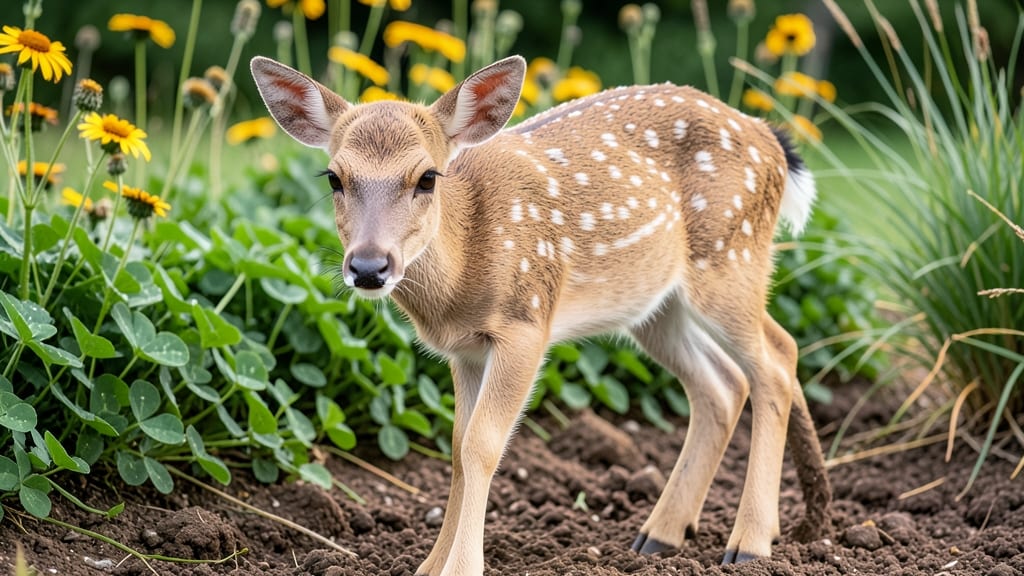
Planting food plots for deer in Georgia at the wrong time can mean the difference between a lush, deer-magnet field and a patch of dirt that even the bucks ignore.
The 7a-8b zones here demand precision—too early, and your seeds rot; too late, and the deer have already moved on to greener pastures.
I’ve spent years watching food plots thrive (and fail) across Georgia’s chill-hour zones, and the three-month window between late summer and early fall is where the magic happens.
But timing isn’t just about the calendar—it’s about matching species like clover, brassicas, or chicory to your zone’s frost-free days and soil temps. Get this right, and you’ll have deer grazing year-round.
What if you could plant once in spring and again in fall, ensuring your whitetails never run out of high-protein forage? That’s the power of chill-hour matching, and I’ll show you exactly how to do it—plus the top 5 species that deer can’t resist in Georgia’s climate.
Let’s get your plots growing when the deer are hungry.
From soil prep to seed selection, we’ll cover every step to turn your field into a deer destination. No more guessing—just proven strategies for peak browse that’ll have bucks bedding down right at your property line.
Georgia’s chill-hour zones: when to plant by species for optimal deer browsing
Georgia’s chill-hour zones (500–1,200 hours) dictate when to plant food plots for deer, and getting this wrong means wasted seeds or missed browsing opportunities. The 7a–8b zones here split into three key chill-hour bands: 500–800 hours (northern GA), 800–1,000 hours (central), and 1,000–1,200 hours (southern).
Each zone has a 30-day window where soil temps and daylight align perfectly for germination.
For example, clover thrives in 800–1,000 chill-hour zones when planted in late August–September, while brassicas (like turnips) need 1,000+ chill hours and do best in October–November. Southern GA’s warmer microclimates even allow spring plantings in February for early-season forage.
I’ve mapped these zones to deer season timing: Plant fall plots in August–October to feed bucks during rut (October–December), and spring plots in February–March for does and fawns in summer/fall. The key? Soil temps must stay above 60°F for 7+ days before planting—any cooler, and seeds rot.
Here’s how to match your zone, species, and planting window for year-round deer attraction:
| Species | Chill-Hour Zone | Best Planting Window | Deer Season Impact |
|---|---|---|---|
| Clover (White Dutch) | 500–800 | Late Aug–Sept | Spring/fall forage |
| Brassicas (Turnips/Radishes) | 800–1,200 | Oct–Nov | Rut season (Oct–Dec) |
| Chicory | 1,000–1,200 | Feb–March | Summer/fall browse |
| Soybeans | 500–1,000 | Late April–May | Late summer/fall |
| Winter Peas | 800–1,200 | Sept–Oct | Winter survival food |
Pro tip: Use a soil thermometer to confirm temps—60–70°F is ideal for most seeds. In northern GA (500–800 hours), plant clover in August and brassicas in October to stretch forage into late winter. Southern GA’s 1,000+ hour zones can plant chicory in February for summer greens.
Mismatched chill hours = poor germination. For example, planting brassicas in northern GA’s 600-hour zone will yield stunted, low-protein plants that deer ignore. Always check your local chill-hour map (USDA or state extension offices) before buying seeds.
Another critical factor? Frost dates. In Zone 7a (northern GA), aim for August 15–September 15 plantings to avoid early frosts. Zone 8b (southern GA) can push to October 1–November 1 safely. Use row covers if planting late in cooler zones.
For year-round food sources, I recommend a two-plot rotation: Plant clover in August and brassicas in October in the same field. By spring, the clover will be established, while the brassicas provide late-winter/early-spring forage before dying back—leaving the clover to take over.
Finally, test your soil pH before planting. Most food plots need a 6.0–7.0 pH—add lime in fall if your soil tests below 6.0. Acidic soil slows germination and reduces protein content, making plots less appealing to deer.
Timing isn’t just about the calendar—it’s about deer behavior. Plant brassicas in October to coincide with rut (October–December), when bucks need high-protein
Best food plot species for Georgia’s climate and deer season timeline
Choosing the right food plot species for Georgia’s 7a-8b zones means matching deer preferences with your property’s chill-hour range. In my experience, the top 5 species—clover, brassicas, chicory, soybeans, and winter peas—deliver year-round forage when planted at the right time.
Each thrives in Georgia’s 200-240 frost-free days, but their chill-hour needs dictate when to plant for maximum impact.
For example, clover (500-800 chill hours) is perfect for fall planting in Georgia’s northern zones, while brassicas (300-500 chill hours) shine in late summer across all regions.
I’ll break down the best species for each season, their deer preference scores, and how to time them for peak browsing during hunting seasons.
🦌 Georgia Food Plot Species Rating
| Species | Chill Hours | Deer Preference | Best Planting Window | Growth Speed |
|---|---|---|---|---|
| Clover (White Dutch) | 500-800 | ★★★★★ | Late Aug-Oct (Fall) or Feb-March (Spring) | Moderate (60-90 days) |
| Brassicas (Turnips/Radishes) | 300-500 | ★★★★★ | Late July-Sept (Summer) | Fast (30-45 days) |
| Chicory | 900-1,200 | ★★★★☆ | Early Sept-Oct (Fall) | Slow (90-120 days) |
| Soybeans (Austere) | 800-1,000 | ★★★★☆ | Late April-May (Spring) | Moderate (75-90 days) |
| Winter Peas | 400-700 | ★★★☆☆ | Oct-Nov (Fall) | Fast (45-60 days) |
My go-to strategy for Georgia hunters is planting brassicas in late summer (July-August) to provide instant forage when deer are most active before the rut in October. Pair this with clover planted in September for a fall-to-spring food source.
For winter coverage, winter peas planted in October-November ensure deer have protein-rich forage when natural food is scarce.
Pro tip: Use chicory in northern Georgia (Zone 7a) where chill hours exceed 900—its deep roots prevent erosion and provide late-season browse. In sou