Planting
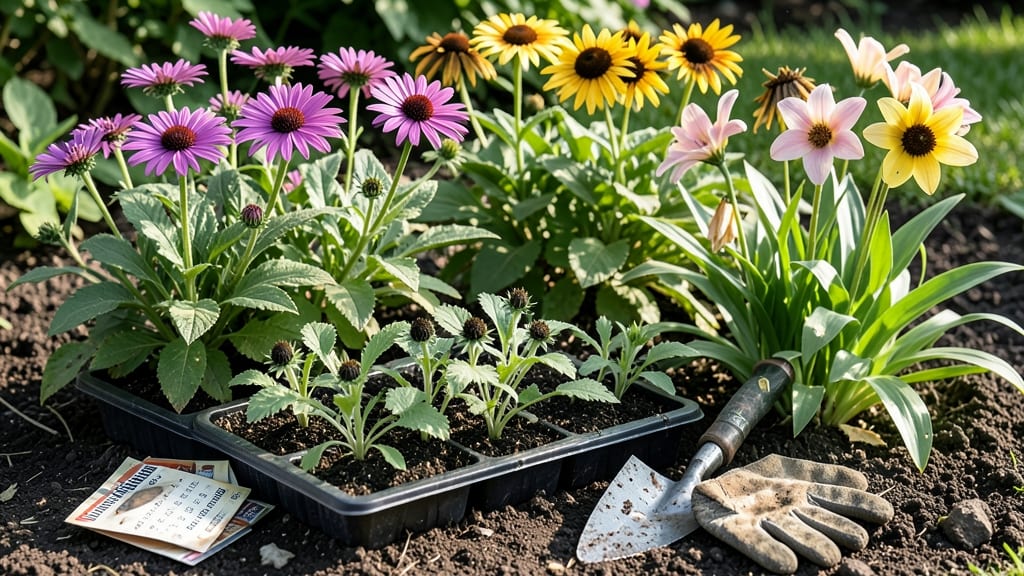
When to plant a garden in Minnesota can mean the difference between a bountiful harvest and a sad pile of frost-killed seedlings. With USDA zones 3-5 and unpredictable frost dates, knowing when to plant your 🌱 General Garden Plants is the key to success.
Most gardeners in Minnesota wait until after the last frost—typically between April 15 and May 31—but that’s just the starting point. Some plants, like tomatoes and peppers, need a head start indoors, while others, like lettuce and peas, thrive when planted directly in the cool soil of early spring.
Without the right timing, you risk losing your hard work to late frosts or missing the growing season entirely.
In this guide, I’ll break down the exact planting windows for your zone, from starting seeds indoors to transplanting outdoors. You’ll learn how to adjust for Minnesota’s short 140-day growing season and avoid common mistakes that ruin planting schedules. Let’s get your garden off to the right start!
Whether you’re a beginner or a seasoned gardener, these data-backed deadlines will help you maximize your harvest—no more guessing, just proven results. Ready to turn your Minnesota garden into a thriving success?
Minnesota planting deadlines by hardiness Zone (3-5) and last frost dates
Minnesota’s short growing season means timing is everything. Whether you’re in Zone 3 (northern MN) or Zone 5 (southern MN), frost dates can shift by weeks—and your garden’s success depends on knowing those windows.
Below, I’ve broken down the critical frost-free deadlines for each zone, so you can plant with confidence and avoid the heartbreak of a late frost wiping out your seedlings.
For Zone 3 (e.g., Duluth, International Falls), the average last spring frost hits around May 20, while Zone 5 (e.g., Minneapolis, Rochester) typically sees its last frost by May 10.
But don’t rely on averages—microclimates (like urban heat islands or south-facing slopes) can shift these dates by 1–2 weeks. Always double-check local forecasts before planting.
Here’s the non-negotiable timeline for Minnesota gardeners, including when to start seeds indoors, transplant outdoors, and harvest before the first fall frost. Use this as your garden’s command center to plan cool-season crops, warm-season starts, and fall planting.
| Zone | Average Last Spring Frost (Risk of Frost After) | Safe Transplant Date (Warm-Season Crops) | Direct Sow Cool-Seeds By | First Fall Frost (Harvest Before) | Fall Planting Window for Cool Crops |
|---|---|---|---|---|---|
| Zone 3 (e.g., Duluth, Moorhead) | May 20 | June 1 (2 weeks after last frost) | April 15–May 1 (before soil warms) | September 15 | August 1–September 1 |
| Zone 4 (e.g., St. Cloud, Brainerd) | May 10 | May 25 (2 weeks after last frost) | April 1–April 15 | October 1 | August 15–September 15 |
| Zone 5 (e.g., Minneapolis, Rochester) | May 1 | May 15 (2 weeks after last frost) | March 15–April 1 | October 10 | August 30–October 1 |
Pro Tip: Use a soil thermometer to confirm readiness—cool-season crops (like peas or lettuce) thrive in 40–50°F soil, while warm-season crops (like tomatoes or peppers) need at least 60°F. Minnesota’s clay soil holds cold longer, so don’t rush! Wait until the ground is workable (not muddy) and temperatures are stable.
For fall planting, focus on cool-season crops like kale, spinach, and radishes, which tolerate light frosts. In Zone 3, aim to plant by August 1 to harvest before the September 15 frost.
In Zone 5, you’ve got a little more leeway—September 15 is your cutoff for most greens. Succession plant every 2 weeks to keep your harvest going until the first frost.
Extend your season with row covers, cold frames, or a mini greenhouse. These tools can push your last harvest date by 2–4 weeks, giving you time to enjoy homegrown veggies well into October—even in Zone 3. Just remember: remove covers during the day to prevent overheating and secure them tightly to protect against wind.
Minnesota’s first fall frost can arrive as early as September 15 in the north or as late as October 10 in the south. Don’t gamble—monitor the 7-day forecast and MN DNR frost maps to adjust your planting schedule. If a frost is predicted, harvest leafy greens (like spinach or lettuce) before the freeze—they’ll sweeten up after a light frost, but hard frosts will kill them.
Key Takeaway: In Minnesota, timing isn’t just about dates—it’s about flexibility. Use these deadlines as a starting point, but always adjust for your microclimate and weather forecasts. With the right strategy, you can maximize your growing season and enjoy fresh produce from May through October—no matter which zone you’re in. 🌱
Best planting schedule for Minnesota’s most popular vegetables and herbs
Minnesota’s short growing season demands precision timing—especially when it comes to your favorite vegetables and herbs. I’ve broken down the exact weeks to start seeds indoors, transplant outdoors, and harvest before frost hits.
These schedules account for Minnesota’s zones 3–5, so adjust based on your last frost date (Zone 3: ~May 20; Zone 5: ~May 10).
For tomatoes, the key is starting seeds 4–6 weeks before your last frost date. In Zone 3, that means kicking off indoors by March 15, while Zone 5 gardeners can wait until April 1.
Transplant seedlings outdoors 2 weeks after the last frost—so Zone 3 gardeners wait until May 20, and Zone 5 can plant by May 10. Harvest before the first frost (Zone 3: Sept 15; Zone 5: Oct 10) to avoid mushy tomatoes.
- Indoor Start: 4–6 weeks before last frost
- Outdoor Transplant: 2 weeks after last frost
- Fall Harvest Deadline: Before first frost
- Indoor Start: 8–10 weeks before last frost
- Outdoor Transplant: 1 week after last frost
- Fall Harvest Deadline: Before hard frost
- Direct Sow: 4–6 weeks before last frost
- Fall Sow: 6–8 weeks before first frost
- Tip: Use shade cloth to prevent bolting
Peppers need an early head start because they’re slow to mature. Begin seeds indoors 8–10 weeks before your last frost—that’s Feb 20 in Zone 3 and March 15 in Zone 5. Transplant them outdoors 1 week after the last frost (Zone 3: May 27; Zone 5: May 17) to give them time to establish roots before summer heat arrives. Harvest before the first hard frost (Zone 3: Sept 1; Zone 5: Oct 1) to avoid bitter flavors.
Lettuce and other leafy greens are far more forgiving. You can direct-sow seeds 4–6 weeks before your last frost (Zone 3: April 15; Zone 5: April 1) and repeat every 2 weeks for a continuous harvest.
For a fall crop, sow seeds 6–8 weeks before the first frost (Zone 3: Aug 1; Zone 5: Sept 1). Pro tip: Use shade cloth in summer to prevent bolting—Minnesota’s heat can send lettuce to seed prematurely.
Don’t forget about herbs like basil and cilantro. Basil thrives in warm weather, so start seeds indoors 6–8 weeks before your last frost (Zone 3: March 1; Zone 5: March 15) and transplant after frost.
Cilantro, however, bolts in heat, so direct-sow it in early spring (April) and again in late summer (August) for a fall harvest before frost.
Succession planting is your secret weapon in Minnesota. By staggering plantings every 2 weeks, you’ll avoid harvest gaps and maximize your garden’s productivity—even with our short season. Mark your calendar, set reminders, and watch your garden thrive like never before!