
Plants
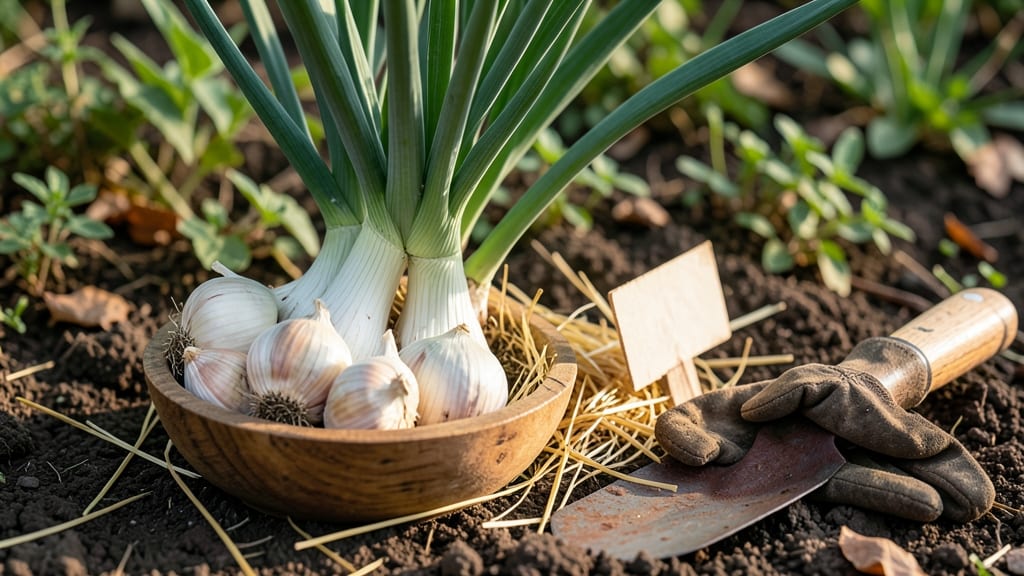
Planting garlic in New York at the wrong time means tiny bulbs—or no harvest at all. The key to growing bold, flavorful 🧄 garlic lies in timing it perfectly with fall’s frost, when hardneck varieties need cold exposure to develop properly.
If you’ve ever wondered why some gardeners get massive cloves while others struggle, it’s likely because they missed the narrow window between October and November. New York’s climate demands this early start, but don’t worry—even beginners can nail it with the right steps.
I’ll break down exactly when to plant, how to prep your soil, and why hardneck garlic thrives here better than softneck varieties. By the end, you’ll know the secrets to a harvest that’ll make your neighbors jealous.
Ready to grow garlic that tastes like it came from a farmstand? Let’s get started with the timing that makes all the difference.
New York’s ideal garlic planting timeline: frost-dependent fall schedule
Garlic isn’t like most vegetables—it needs cold to form bulbs. In New York’s climate, planting in fall (not spring) triggers the vernalization process, ensuring robust growth next summer.
The optimal window is between October 15 and November 15, when soil temps drop below 50°F but before hard frost locks the ground.
Why? Garlic cloves planted in fall establish roots before winter dormancy. When spring arrives, they sprout quickly and bulk up during the cool shoulder seasons (April–May). Skip this window, and you’ll get small, weak bulbs or no harvest at all.
Even NYC’s Zone 7b and Upstate’s Zone 5b follow this rule—just adjust timing slightly for earlier frosts.
Here’s the critical timeline for New York gardeners:
| Stage | Action | NYC (Zone 7b) | Upstate (Zone 5b) |
|---|---|---|---|
| Soil Prep | Test pH (6.0–7.0), amend with compost | Mid-September | Early September |
| Planting | Break cloves, plant 2" deep | Oct 15–Nov 1 | Sep 20–Oct 15 |
| Winter | Mulch with straw (4–6") | After first frost | After first frost |
| Spring Growth | Remove mulch, fertilize (5-10-10) | Mid-April | Early April |
| Harvest | When lower leaves brown | Late June–July | Late June–July |
Upstate gardeners in Zone 5b (e.g., Syracuse, Buffalo) should plant 2–3 weeks earlier than NYC to account for earlier frosts. If you’re in Zone 6a (e.g., Hudson Valley), aim for October 1–15. The key is ensuring cloves root before soil freezes—they’ll stay dormant until spring.
What if you miss fall planting? You can try spring planting (March–April), but bulbs will be smaller and less flavorful. Spring-planted garlic lacks the cold vernalization period, so it’s best for softneck varieties (like Silverskin) if you’re desperate.
For hardnecks (the best choice for NY), fall is non-negotiable.
Pro tip: Use a soil thermometer to confirm temps are below 50°F before planting. In 2023’s unpredictable NY weather, early November frosts can sneak up—don’t wait until December! Also, avoid planting after Thanksgiving; cloves won’t root in time for winter survival.
Once planted, mulch heavily with straw or leaves to insulate roots during temperature swings. In NYC’s urban heat islands, mulch also prevents soil heaving from freeze-thaw cycles. Remove mulch in early spring to let bulbs resume growth as temps rise.
For hardneck varieties (like ‘Music’ or ‘German White’), the scape (flower stalk) emerges in late spring. Remove it immediately—this redirects energy to bulb development instead of seeds. Ignore this step, and you’ll get smaller cloves and wasted effort.
Finally, mark your calendar for next year: October 15 is your deadline for Zone 7b. Set a reminder now—trust me, you’ll thank yourself when you’re harvesting plump bulbs in July instead of digging up pebble-sized disappointments! 🌱
Hardneck vs. softneck garlic: which thrives better in New York’s climate?
New York’s cold winters and humid summers make it a prime spot for hardneck garlic, but softneck varieties can still succeed with the right care.
Hardnecks like ‘Music’ and ‘German White’ dominate because they need 4-6 weeks of winter chill to form bulbs, while softnecks like ‘California Early’ tolerate milder winters but often struggle with disease pressure in NY’s climate.
The key difference? Hardnecks produce larger cloves with bold flavors and scape shoots (useful for cooking or compost), while softnecks store longer but yield smaller bulbs. For NY gardeners, hardnecks are the clear winner—just ensure you source certified organic seed garlic to avoid dormant virus issues common in grocery-store bulbs.
Pro Tip: If you love braiding garlic for storage, softnecks like ‘Artichoke’ can work, but they’ll need warmer microclimates (like greenhouses) to thrive in Upstate NY’s harsher winters. Most NY growers stick with hardnecks for their superior yield and flavor.
| Type | Best for NY? | Flavor | Storage |
|---|---|---|---|
| Hardneck | ✅ Yes (cold-hardy) | Bold, spicy | 3-6 months |
| Softneck | ⚠️ Possible (warmer spots) | Mild, sweet | 6-12 months |
For NY-specific success, prioritize hardneck varieties like ‘Chesnok Red’ (purple-striped, great for roasting) or ‘Silverskin’ (mild, stores well). These varieties handle Zone 4-6 winters (covering NYC to Buffalo) and reward you with larger bulbs than softnecks.
Always buy from reputable seed suppliers like Johnny’s Selected Seeds or local garlic festivals to avoid diseased stock.
One common mistake? Planting store-bought garlic (even organic). These bulbs are hybridized for shelf life, not flavor or cold hardiness. Seed garlic is 10x more productive—worth the $5-$10 per head investment for a 50-pound harvest!
If you’re torn, start with 3 hardneck varieties and 1 softneck (like ‘California Early’) in a protected microclimate. Compare yields next summer—you’ll likely convert to hardnecks-only forever. 🧄