
Plants
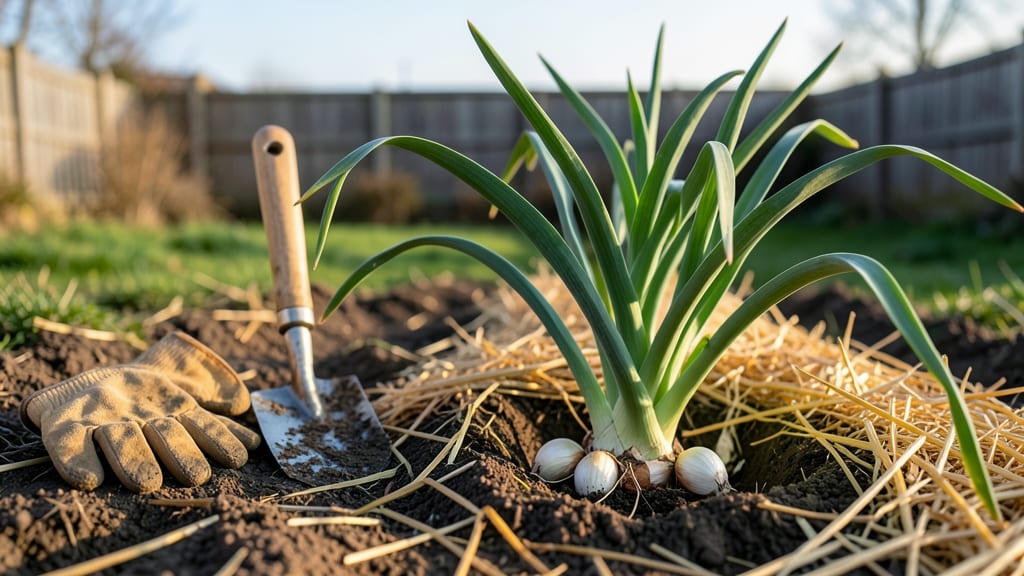
Timing your garlic planting in North Carolina can make or break your harvest—get it wrong, and you might end up with puny bulbs or no crop at all. The 🧄 thrives in cool weather, but NC’s varied zones (6a-8a) mean the perfect window shifts from the Piedmont to the coast.
Whether you’re in Raleigh or Wilmington, planting too early or too late throws off the whole growing cycle.
Most gardeners in North Carolina swear by fall planting—October to November—when soil temps dip below 70°F and before hard frosts hit. This gives cloves time to root deeply before winter dormancy, setting the stage for robust growth come spring.
But did you know coastal areas like the Outer Banks can push planting into December thanks to milder winters?
Here’s the game-changer: soil temperature is your real guide, not just the calendar. Aim to plant when ground temps are consistently 50-60°F, and you’ll avoid stunted growth or bolting.
I’ll break down the exact zones, frost dates, and soil prep tricks to ensure your garlic emerges strong and flavorful—no guesswork involved.
Ready to grow bold, plump cloves? Let’s dive into the zone-specific planting schedule that’ll turn your NC garden into a garlic goldmine. Spoiler: The key is patience and paying attention to your microclimate.
Best planting months for garlic in North Carolina by USDA Zone
North Carolina's diverse climate—from the cooler mountains to the warmer coastal plains—means garlic planting times vary by USDA zone. Most gardeners in zones 6b-8a plant in fall, but timing depends on your first frost date and whether you grow hardneck or softneck varieties.
For best results, aim to plant 4-6 weeks before the ground freezes.
In Zone 6b (western NC, like Asheville), garlic thrives when planted between October 1st and November 15th. The soil should cool to 50-60°F at planting time.
Gardeners in Zone 7a (Raleigh, Piedmont) can extend planting until November 30th, while coastal Zone 8a (Wilmington) has a shorter window—September 15th to October 15th—to avoid winter rains.
| USDA Zone | Best Planting Window | Soil Temp | Variety Focus | Key Note |
|---|---|---|---|---|
| 6b (Mountains) | October 1–November 15 | 50–60°F | Hardneck | Longer cold period needed |
| 7a (Piedmont) | October 15–November 30 | 55–65°F | Both types | Flexible window; avoid late frost |
| 7b (Coastal Plain) | September 15–October 15 | 60–70°F | Softneck | Warmer winters; shorter dormancy |
| 8a (Outer Banks) | September 1–October 1 | 65–75°F | Softneck | Mild winters; plant early |
Hardneck varieties like Rocky Mountain or German Red need 60+ days of cold to form bulbs, so they’re best for Zone 6b-7a. Softnecks like Silverskin tolerate warmer winters and work well in Zone 7b-8a.
If you miss fall planting, you can try spring planting (February-March) in Zone 8a, but yields will be smaller.
Use your local frost dates as a guide: Plant when nighttime temps drop to 40-50°F consistently. In Zone 6b, this usually happens by mid-October, while Zone 8a may wait until late September.
A soil thermometer helps track ideal planting temps—aim for 50-60°F at a 4-inch depth.
For hardnecks, a longer cold period means bigger bulbs. In Zone 7a, plant by November 15th to ensure enough winter chill. If you’re in Zone 8a, focus on softnecks like Artichoke, which store better and thrive in milder winters.
Mulch with straw after planting to protect cloves from freeze-thaw cycles.
Spring planting is risky in NC but possible in Zone 8a. Plant cloves in February for a summer harvest, but bulbs will be smaller and less flavorful.
This method works best for green garlic or scape harvesting in early summer. Avoid spring planting in cooler zones—garlic needs winter dormancy to develop properly.
Pro tip: Use last year’s garlic for planting! Save the largest, healthiest cloves and break them apart into individual segments. Each segment will grow into a full bulb, so you can double your yield from a single clove.
Just remove the papery skin and plant the pointed end up, 2 inches deep.
Watch for early frost warnings in November. If frost hits before planting, cover cloves with mulch or wait until soil temps drop naturally. In Zone 6b, a light frost after planting can actually boost bulb size, but avoid hard freezes that can damage cloves.
Adjust your planting date if unusually warm falls delay soil cooling.
Remember: Timing is everything. Plant too early, and cloves may sprout before winter. Plant too late, and bulbs won’t have enough cold exposure. Use these zone-specific guidelines to nail your planting window and grow bold, flavorful garlic every year. 🧄
Best planting months for garlic in North Carolina by USDA Zone
North Carolina’s varied climate—from the cool mountains of the Appalachians to the mild coastal plains—means garlic planting times shift dramatically.
Most gardeners in USDA zones 6b-7a (like Asheville or Raleigh) aim for mid-October to early November, while those in zone 8a (coastal areas) can plant as late as December. The secret? Planting when soil temps hit 50-60°F and before the first hard frost.
Hardneck varieties (like Rocky Mountain) thrive in cooler zones, while softnecks (such as Silverskin) tolerate warmer winters. In zone 7b (Piedmont), aim for late October—any earlier, and cloves may sprout too soon. Coastal gardeners in zone 8a can push planting to early December thanks to milder winters.
| USDA Zone | Best Planting Window | Soil Temp Threshold | Key Variety |
|---|---|---|---|
| 6b (Mountains) | Mid-September to October 15 | 50-60°F (10-15°C) | Hardneck (e.g., German White) |
| 7a (Piedmont) | October 15 to November 1 | 50-60°F (10-15°C) | Hardneck (e.g., Music) |
| 7b (Coastal) | October 30 to November 15 | 55-65°F (13-18°C) | Softneck (e.g., Artichoke) |
| 8a (Outer Banks) | December 1 to January 15 | 60-70°F (15-21°C) | Softneck (e.g., Silver Skin) |
Pro tip: Use a soil thermometer to confirm temps—planting too early in warm soil can trigger premature sprouting. In zone 6b, early frosts may arrive by mid-October, so don’t wait too long. Coastal gardeners can sometimes squeeze in a spring planting (February), but yields are smaller.
For hardneck varieties, prioritize zones 6b-7a—they need cold winters to form bulbs. Softnecks in zone 8a can handle milder winters but may produce smaller cloves. Always plant 4-6 weeks before frost to ensure roots establish before dormancy.
Missed the fall window? Don’t panic—some gardeners in zone 8a successfully plant in early spring (February), though harvests are smaller. The key is consistency: cool soil temps and 6+ hours of sun are non-negotiable for plump bulbs.
Once you’ve nailed the timing, focus on soil prep—garlic hates soggy roots. Test your soil’s pH (aim for 6.0-7.0) and amend with compost. Next, we’ll cover how to turn your NC garden into a garlic powerhouse with minimal fuss.