
Plants
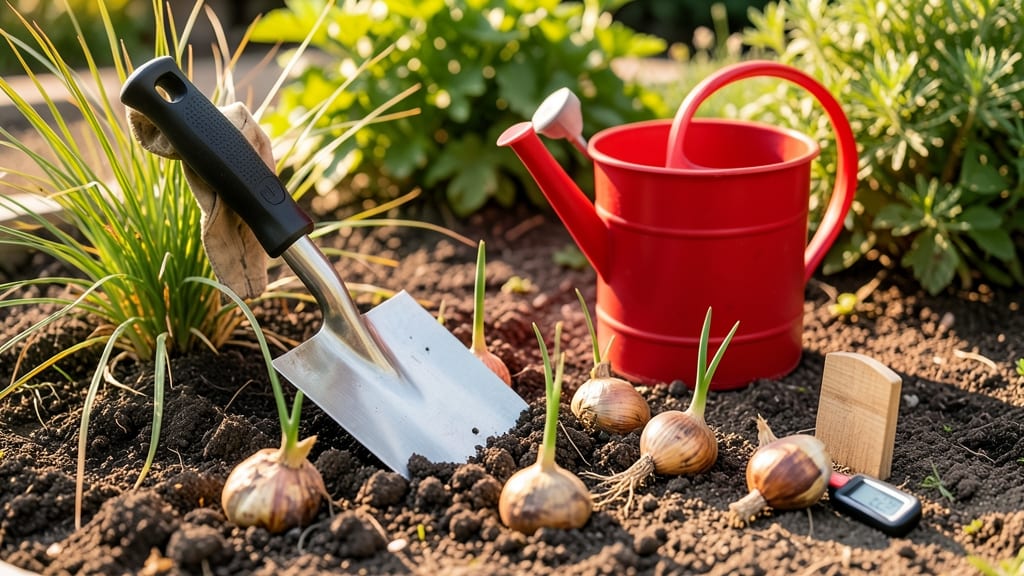
Timing when to plant gladiolus bulbs in Oklahoma isn’t just about the calendar—it’s about dodging late frosts and heat waves to unlock those showstopping summer blooms. With USDA zones 6b-8a and unpredictable spring weather, getting it wrong can mean wilted dreams instead of vibrant spikes of color.
Most gardeners swear by planting between late March and early May, but here’s the catch: Northern Oklahoma’s cooler springs demand patience, while Southern regions can push it slightly later.
The key? Wait until the soil reaches 60°F—that’s when your bulbs will wake up and race toward those July-September blooms you’ve been dreaming of.
I’ll break down the exact window for your area, plus soil prep secrets to help your Gladiolus bulbs thrive despite Oklahoma’s alkaline clay. Think faster growth, longer stems, and blooms that last—all without the guesswork.
Ready to turn your garden into a bold, long-lasting display? Let’s get those bulbs in the ground the right way, the first time.
Best months to plant gladiolus bulbs in Oklahoma: climate-specific guide
Timing your gladiolus bulbs in Oklahoma depends on your region’s last frost date and soil warmth. Northern Oklahoma (USDA zones 6b-7a) has later frosts, while southern Oklahoma (zones 7b-8a) warms earlier.
Planting too early risks frost damage, while waiting too long shortens the bloom season. Aim for 4-6 weeks before your last frost date—typically late March to early May—for vibrant summer blooms.
Oklahoma’s spring temperatures swing wildly, making soil temperature a critical factor. Gladiolus bulbs need 60°F soil to sprout consistently. In northern Oklahoma, wait until mid-April when soil reliably stays above 60°F.
Southern gardeners can start as early as late March, but monitor forecasts for late frosts. Planting too soon in cooler areas risks rotten bulbs or stunted growth.
For extended bloom seasons, try staggered planting. Start with early varieties in late March (southern OK) or early April (northern OK), then add mid-season varieties 2-3 weeks later.
This ensures continuous gladiolus flowers from July through September. Just avoid planting after June 1st, as bulbs need 8-10 weeks to establish roots before summer heat arrives.
| Region | USDA Zone | Last Frost Date | Ideal Planting Window | Bloom Season |
|---|---|---|---|---|
| Northern OK | 6b-7a | Mid-April | Late March–Early May | Late July–September |
| Central OK | 7b | Early April | Late March–Early April | Mid-July–October |
| Southern OK | 8a | Late March | Late February–March | June–November |
If you miss the spring planting window, don’t despair—gladiolus bulbs can also be planted in early summer for fall blooms. However, bulbs planted after June 15th may struggle in Oklahoma’s intense summer heat.
For late plantings, choose heat-tolerant varieties like 'Green Star' or 'Picasso', and provide afternoon shade during peak heat. Mulch heavily to retain moisture and cool roots.
Pro tip: Use Oklahoma’s 180-day frost-free season to your advantage. Plant early varieties in March for July blooms, then follow with mid-season bulbs in April for August-September color. This staggered approach maximizes your garden’s visual impact and extends the cutting garden season.
Just remember: gladiolus bulbs hate soggy soil, so prioritize well-draining beds in Oklahoma’s clay-heavy soils.
For container gardening in Oklahoma, plant bulbs in late April to avoid frost. Use large pots (12+ inches deep) with fast-draining mix to prevent rot. Place containers in full sun and water deeply every 3-4 days during summer.
Containers heat up faster than garden beds, so monitor soil moisture closely—gladiolus wilts quickly when thirsty.
Watch for Oklahoma-specific challenges like sudden summer storms or high humidity. After planting, apply 2-3 inches of mulch to prevent soil splashing (which spreads fungal diseases like botrytis).
Stake tall varieties early—Oklahoma’s windy summers can snap 5-foot stems without support. Use bamboo stakes or soft ties to protect your gladiolus blooms from damage.
Finally, mark your planting dates on a garden calendar. Oklahoma’s unpredictable weather means frost can linger into April in northern areas or arrive early in October. By tracking your gladiolus progress, you’ll adjust watering, fertilizing, and staking as needed.
With the right timing, your gladiolus garden will reward you with bold, long-lasting blooms that brighten Oklahoma’s hot summer days.
🌸
Best months to plant gladiolus bulbs in Oklahoma: climate-specific guide
Oklahoma’s USDA zones 6b-8a mean your gladiolus planting window hinges on two critical factors: soil temperature and last frost dates. Northern Oklahoma (like Oklahoma City) typically waits until mid-April, while Southern regions (like Tulsa) can plant as late as early May.
The goal? Plant when soil hits 60°F—that’s when bulbs break dormancy without frost risk.
Gladiolus bulbs planted too early face rot from cold soil, while late planting delays blooms until late summer or worse. My rule of thumb: Aim for 4-6 weeks before your area’s last frost, which in Oklahoma usually falls between mid-March and early April.
Check your local Almanac’s frost calendar—it’s your gardening GPS.
For extended bloom seasons, try a staggered approach: Plant 1/3 of your bulbs in April and the rest in early May. This spreads your July-September color show from early to late summer. Just remember—gladiolus bulbs planted after June 1st rarely bloom before frost.
🌱 Oklahoma Gladiolus Planting Timeline
| Region | Ideal Planting Window | Soil Temp | Bloom Time |
|---|---|---|---|
| Northern OK (OKC) | Mid-April to early May | 60°F+ | Late July to Sept |
| Central OK (Stillwater) | Late March to late April | 55°F+ | Early July to Aug |
| Southern OK (Tulsa) | Early April to early May | 60°F+ | Mid-July to Sept |
⚠️ Pro Tip: Use a soil thermometer to confirm 60°F+ before planting—cold soil = rot risk!
Oklahoma’s alkaline clay soil can stress gladiolus bulbs, so prioritize well-draining beds. Amend with compost or sand to improve aeration, and plant bulbs 4-6 inches deep with 6-inch spacing. This prevents fungal diseases common in Oklahoma’s humid summers.
After planting, mulch heavily with straw to retain moisture and regulate soil temps. In drought-prone areas, drip irrigation keeps roots consistently moist without wetting foliage—critical for rust prevention. My July-August plants thrive with this setup, producing 4-5 ft spikes of blooms.
For cut flowers, plant a second batch in early June—these late plantings often bloom just before frost, giving you October color when other perennials fade. Just reduce fertilizer after August 1st to encourage root storage for next year.